-
by sayum
24 August 2026 3:22 PM







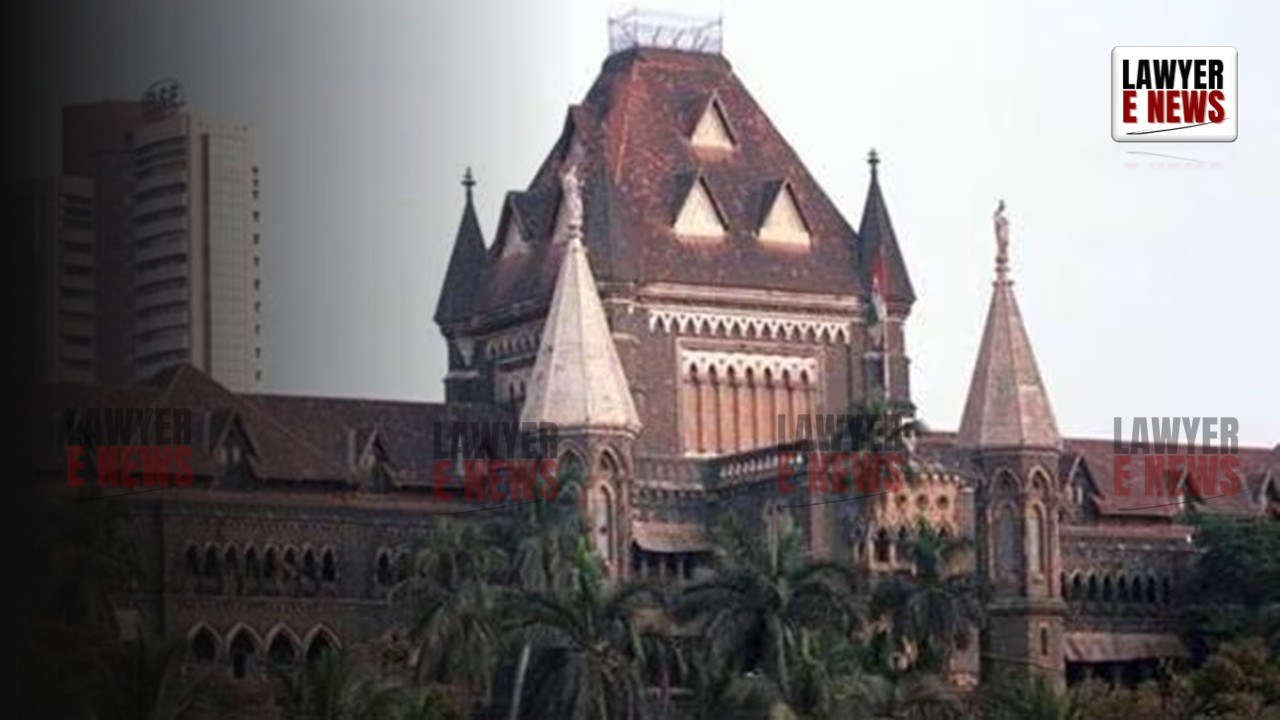
“Ignorance of an order cannot revive a power that has already come to an end. Anyone who acts without authority does so at his own risk”— In a latest ruling, the Bombay High Court, comprising Justice Amit Borkar, quashed a recovery certificate issued against a housing society's managing committee members, establishing that an Authorised Officer loses all jurisdiction the moment a replacement order is passed, regardless of whether the order was served upon him.
The Controversy: A Report Submitted After Termination
The dispute arose from proceedings initiated under the Maharashtra Cooperative Societies Act, 1960 (the Act). An inquiry under Section 83 was initiated against a cooperative housing society, leading to the appointment of Respondent No. 6 as the Authorised Officer to conduct an inquiry under Section 88.
Due to a significant delay in submitting the report, the Registrar exercised powers to replace Respondent No. 6 with a new officer, Mr. Sunil Khochre, via an order dated 14 February 2022. However, Respondent No. 6, claiming he was unaware of this replacement order, proceeded to prepare his report on 28 February 2022 and submitted it on 1 March 2022. Based on this report, a recovery certificate for Rs. 49,45,673 was issued under Section 98 against the petitioners.
The core legal question before the High Court was whether a report submitted by an officer after his replacement is valid solely because he had no personal knowledge of the substitution.
“Functus Officio”: Authority Flows from the Order, Not the Person
Justice Borkar, in a decisive judgment, held that the doctrine of functus officio applies with full force. The Court observed that an officer acting under a statute does not act on personal authority but on the authority granted by the competent power.
The Court elucidated the maxim cessante ratione legis cessat ipsa lex (when the reason for the law ceases, the law itself ceases). The Court noted:
“When the Registrar replaces him, the reason for the authority ceases. The authority that flowed from it must also cease… The statutory design demands continuity of authority till completion of the act. When that continuity breaks, the earlier incumbent cannot complete what the law expects to be done only by a duly authorised officer.”
“Administrative Certainty Over Personal Knowledge”
The Respondent argued that since the replacement order was not served, the officer’s actions should be saved. The Court categorically rejected this submission, emphasizing that accepting such a plea would introduce chaos and uncertainty into statutory proceedings.
The Court held that the validity of a quasi-judicial act cannot depend on an individual’s state of mind. The Bench remarked:
“The existence of an order, and not the knowledge of the officer, determines the cessation of power. Administrative acts take effect when they are made by the competent authority.”
The Respondents relied on the Supreme Court’s judgment in Rohan Builders (India) Pvt. Ltd. v. Berger Paints India Ltd. regarding the extension of mandates under the Arbitration Act. The High Court distinguished this, noting that Section 88 of the MCS Act is a complete code where authority flows directly from the appointing order. Once that order is withdrawn, the power extinguishes instantly.
The High Court declared the report dated 28 February 2022 illegal and void ab initio. Consequently, the recovery certificate issued under Section 98, which was based entirely on this invalid report, was quashed.
To ensure justice is not delayed, the Court remitted the matter to the Competent Authority. It directed that the newly appointed Authorised Officer must complete the proceedings. Crucially, the Court clarified that the new officer need not start de novo; they can proceed based on the existing record after granting a further opportunity of hearing to the parties.
Date of Decision: November 28, 2025