-
by sayum
19 October 2026 11:08 AM







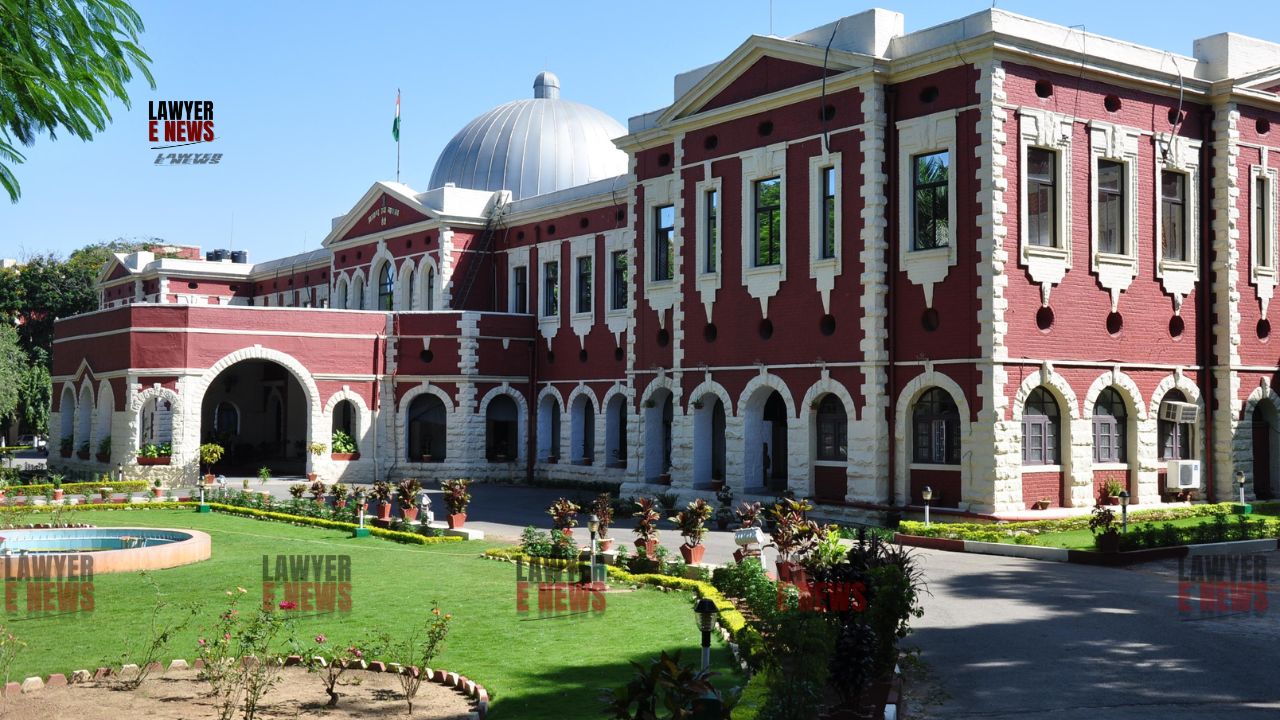
"It further appears that the prosecutrix is a widow lady aged about 50 years and there was a gap of 72 hours in between the incident of rape and medical examination, hence, non-detection of sperm is natural phenomena. However, the presence of marks of violence on other parts of her body especially the breast, lower back are very important corroborative piece of evidence to establish the occurrence of rape." Jharkhand High Court, in a significant ruling, held that the non-detection of spermatozoa following a 72-hour delay between the incident and the medical examination is a "natural phenomena" and cannot be a ground to discard an otherwise credible charge of gang rape under Section 376D of the Indian Penal Code.
A division bench comprising Justice Pradeep Kumar Srivastava and Justice Ananda Sen affirmed that where the ocular testimony of a prosecutrix is corroborated by physical marks of violence, absence of semen or injuries to private parts cannot dismantle the prosecution case.
The prosecutrix, an illiterate rural widow, was accosted, dragged to a forested ditch, and subjected to gang rape by four men while walking to her parental home in November 2013. Following an unsuccessful village panchayat convened to address the incident after the accused went absconding, an FIR was lodged under Section 376D IPC at Patamda Police Station. The Additional Sessions Judge-X-cum-FTC, Jamshedpur convicted all four accused persons and sentenced them to 20 years of rigorous imprisonment alongside a fine of Rs. 40,000 each. The convicts subsequently approached the High Court assailing the judgment of conviction and sentence.
The primary question before the High Court was whether the absence of spermatozoa, lack of genital injuries, and a three-day delay in lodging the FIR vitiated the conviction under Section 376D IPC. The bench was also called upon to determine whether the prosecutrix's initial confusion regarding the specific names of the accused during dock identification impaired her identification of them by face.
Solitary Testimony Of Prosecutrix Sufficient If Inspiring Confidence
The High Court commenced its evaluation by emphasizing that under Indian criminal jurisprudence, the solitary testimony of a rape victim can validly sustain a conviction provided it remains unblemished and of sterling quality. Relying on established Supreme Court precedent, the bench reiterated that courts must not seek mechanical corroboration where the prosecutrix's account is intrinsically trustworthy.
The bench referred to the landmark decision in Krishan Kumar Malik v. State of Haryana (2011) 7 SCC 130, observing that "to hold an accused guilty for commission of an offence of rape, the solitary evidence of the prosecutrix is sufficient, provided the same inspires confidence and appears to be absolutely trustworthy, unblemished and should be of sterling quality."
Delayed Medical Examination Explains Absence Of Spermatozoa
Addressing the primary contention of the appellants regarding the absence of semen, spermatozoa, or internal vaginal trauma in the medical examination report, the bench held that medical findings must be appreciated in temporal context. The Court noted that the examination took place 72 hours post-assault, rendering the disappearance of fluid evidence clinically standard.
The Court held that the doctor had categorically confirmed that sexual intercourse took place, while the presence of multiple linear abrasions across the victim's back and breasts conclusively corroborated forceful assault. The bench underlined that the presence of bodily marks of violence is a critical corroborative circumstance that negates any hypothesis of consensual engagement or false implication.
Failure To Identify Accused By Name In Dock Not Fatal If Face Is Identified
The appellants had further contended that the dock identification was flawed because the prosecutrix gave incorrect names when asked to identify the accused standing from left to right. The bench firmly rejected this plea, noting that the witness had clearly stated that while she might mix up their names, she recognized each of them by face as the perpetrators who raped her.
"The prosecutrix could not have identified all the accused persons by their names but behind the dock, she has identified them by their faces, who were involved in commission of gang rape with her, so only due to fact that she could not identify the accused persons by their names, her evidence cannot be doubted."
Three-Day Delay In FIR Validly Explained By Rural Panchayat Convention
Scrutinizing the timeline of the investigation, the High Court observed that the three-day delay in lodging the FIR was adequately and naturally explained. The Court noted that the victim was an illiterate, widowed tribal woman living in a village ecosystem where customary village panchayats are routinely convened to resolve grievances prior to approaching law enforcement agencies.
The bench observed that minor discrepancies, such as the victim placing her thumb impression on a blank paper during the initial report, cannot collapse the prosecution's case. The Court reasoned that where the core substratum remains consistent across the written complaint, the Section 164 CrPC statement, and the witness testimony in court, minor procedural lapses must be ignored.
Baseless Defences Imputing Immorality To Victim Deserve Outright Rejection
The Court severely deprecated the defence strategy of attributing unchastity to the victim, including unsubstantiated suggestions that she had illicit relations with her full-blood brother. The bench noted that such scandalous assertions were completely unsubstantiated by any documentary or oral evidence and amounted to baseless conjecture.
Finding no mitigating factors or infirmity in the trial court's assessment, the bench ruled that the ingredients of Section 376D IPC—corresponding to Section 70 of the Bharatiya Nyaya Sanhita (BNS)—stood fully established beyond reasonable doubt. The bench refused to interfere with the 20-year sentence, holding that it was neither harsh nor disproportionate.
The High Court dismissed both criminal appeals, upholding the conviction and 20-year rigorous imprisonment awarded to all four convicts under Section 376D IPC. The bench cancelled the bail bonds of the three appellants who had secured interim enlargement, directing them to surrender before the trial court within two months to serve out their remaining sentences.
Date of Decision: 15 October 2026