-
by sayum
19 October 2026 11:08 AM







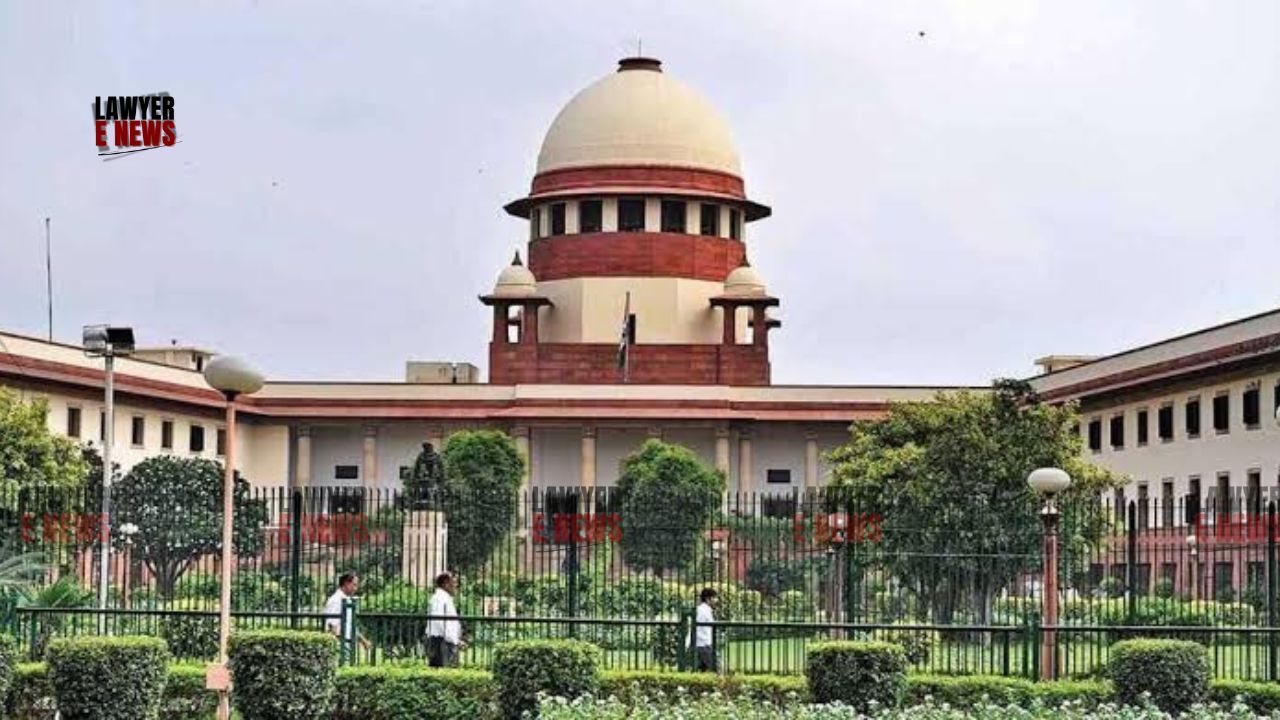
"Section 161 CrPC statements, obviously, cannot be relied on at the trial, but definitely could be gone into at the time of cognizance, since that is the material available before the Court, as produced by the Police along with the final report." Supreme Court, in an authoritative ruling dated October 09, 2026, held that a Magistrate is well within their jurisdiction to take cognizance of an offence under Section 190(1)(b) of the Code of Criminal Procedure, 1973 (CrPC) relying upon the material disclosed in a police closure report, including witness statements recorded under Section 161 CrPC.
A bench comprising Justice J.B. Pardiwala and Justice K. Vinod Chandran set aside a Patna High Court order that had casually quashed the cognizance taken against an accused under Sections 302 and 201 of the Indian Penal Code (IPC), reiterating that the primacy of the Court to take cognizance despite a police closure report is an established facet of criminal jurisprudence.
The appeal arose from an incident where the appellant’s son drowned to death after being taken from his house by the second respondent. Following a police final report recommending closure, the Revisional Court directed reconsideration, leading the Judicial Magistrate First Class to take cognizance under Sections 302 and 201 IPC. The Patna High Court subsequently quashed the proceedings in a petition under Section 482 CrPC, which prompted the victim's grieving father to approach the apex court.
The primary question before the court was whether the Magistrate could take cognizance of offences under Sections 302 and 201 IPC by differing from a police closure report on the strength of Section 161 CrPC statements. The court was also called upon to determine whether a post-mortem report certifying death by drowning is sufficient ground to negate foul play and preclude a criminal trial.
Magistrate Has Three Options When Police File Closure Report
Addressing the statutory scheme governing police final reports, the bench reiterated that a Magistrate is never bound to accept a closure report filed under Section 173 CrPC. Reaffirming settled law, the bench recalled that upon receipt of a report concluding that no sustainable case is made out, the court cannot direct a charge sheet to be filed, but it possesses three distinct procedural options.
"The primacy of the Court to take cognizance or deny it is the law discernible from the very provisions of the CrPC."
Relying on established precedents, the court observed that the Magistrate may accept the report and close proceedings, take cognizance of the offence under Section 190(1)(b) CrPC on the basis of materials in the report, or direct further investigation. The bench referenced the landmark rulings in H.S. Bains v. State (U.T. of Chandigarh), Abhinandan Jha v. Dinesh Mishra, and Ramswaroop Soni v. State of M.P. to underscore that judicial primacy over police reports remains absolute under the statutory scheme.
Death By Drowning Does Not Exclude Foul Play Or Homicide
The apex court found serious fault with the High Court’s reasoning that the post-mortem report did not suggest anything sinister because the cause of death was asphyxia and ventricular fibrillation resulting from drowning. The bench emphasized that medical findings of drowning cannot be examined in isolation from surrounding circumstances.
The court pointed out that even if a person is pushed into the water deliberately with an intention to drown them, the post-mortem report would merely indicate drowning. Such medical findings cannot lead to an automatic inference of accidental death without assessing attendant circumstances, especially where witness testimony indicated that the deceased was last seen with the accused.
Witness Testimonies Under Last Seen Doctrine Warrant Trial
The bench highlighted that the deceased was picked up by the second respondent from his house, and eyewitnesses subsequently saw the accused fleeing from the scene of occurrence while third parties attempted to save the drowning boy. These incriminating circumstances made a criminal trial necessary to unravel the mystery surrounding the death.
The judges noted that when an accused is the person with whom the deceased was last seen alive and is spotted running away from the spot, he is duty-bound to proffer an explanation. Quashing criminal proceedings under Section 482 CrPC in such a circumstance, the bench observed, was wholly improper and premature.
Statements Under Section 161 CrPC Validly Considered At Cognizance Stage
Clarifying the evidentiary use of witness statements, the Supreme Court ruled that while statements recorded under Section 161 CrPC cannot be treated as substantive evidence during trial, they are legitimate materials to be examined by a Magistrate at the stage of taking cognizance.
The court noted that the revisional order of the 7th Additional Sessions Judge, Darbhanga, had meticulously examined the Section 161 statements and correctly discerned compelling circumstances to warrant a trial. The High Court had erred in brushing aside the Revisional Court's detailed appraisal in a casual manner without proper evaluation of the record.
Revisional Observations Cannot Regulate Or Govern Trial
Clarifying the scope of its holding, the bench cautioned that observations made by the Revisional Court, the Magistrate while taking cognizance, or the apex court itself in affirming cognizance, shall not regulate or govern the trial on merits.
The apex court directed the second respondent to surrender before the concerned Magistrate within two weeks for committal proceedings, failing which he must be taken into custody. The bench clarified that upon appearance or production, the accused shall be released on bail subject to appropriate conditions and cooperation with the trial.
Setting aside the High Court's order, the Supreme Court allowed the appeal and restored the order of cognizance, thereby directing that the committal and trial proceedings be expedited. The judgment reinforces the essential principle that criminal courts are not tethered to police opinions in closure reports where the investigative material itself prima facie discloses commission of a cognizable offence.
Date of Decision: October 09, 2026