-
by sayum
01 August 2026 8:24 AM







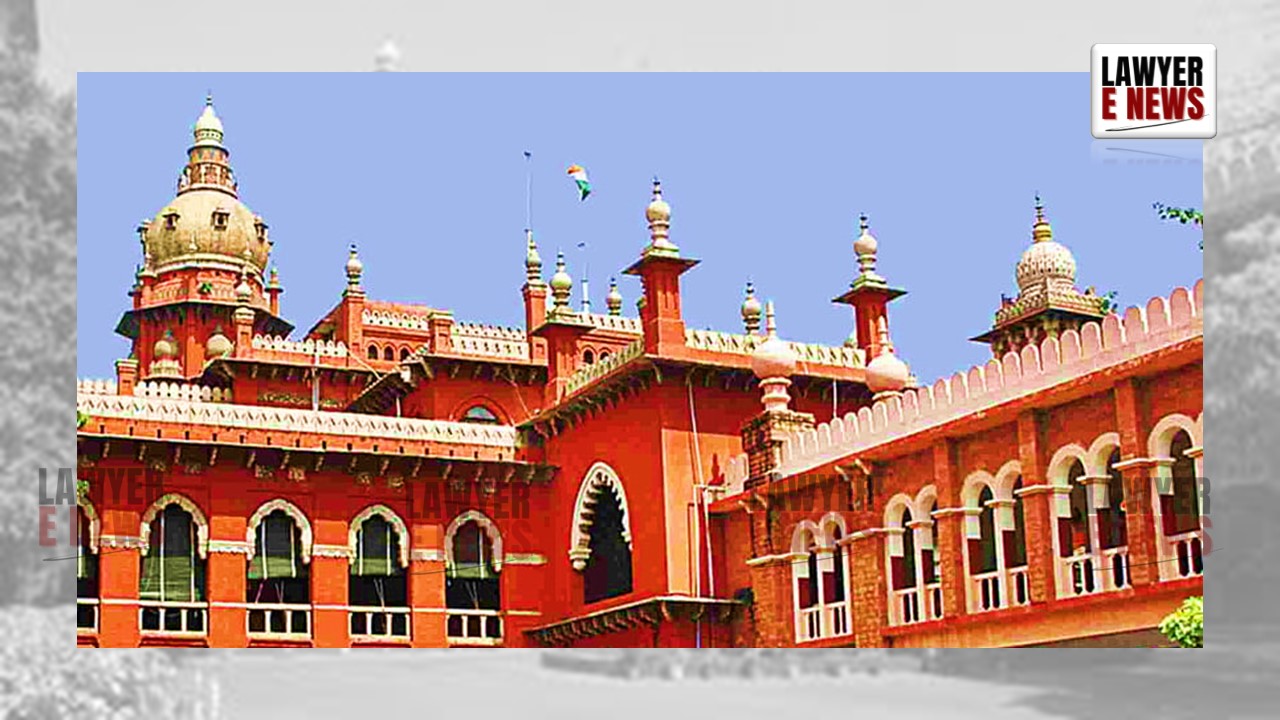
Madras High Court, in a significant ruling, allowed a criminal revision petition filed by the accused in the Kodanadu Estate murder and dacoity case, directing the trial court to permit the examination of eight witnesses, including former Chief Minister Edappadi K. Palaniswami and Mrs. V.K. Sasikala. Justice P. Velmurugan set aside the trial court's order that had earlier rejected the petitioners' application under Section 233 of the Code of Criminal Procedure, 1973 (Cr.P.C.), stating that the right to summon defense witnesses is integral to a fair trial under Article 21 of the Constitution.
The petitioners argued that the testimonies of these witnesses were crucial to uncovering the circumstances surrounding the crime and the alleged lapses in the investigation.
Court Observes the Fundamental Right to Fair Trial Under Article 21
The petitioners were accused of involvement in a high-profile dacoity and murder at the Kodanadu Estate, a property associated with former Tamil Nadu Chief Minister J. Jayalalithaa. The defense sought to summon eight witnesses, including prominent political and administrative figures, as part of their evidence.
The trial court had earlier dismissed the petition, terming it as "vexatious" and irrelevant. However, the High Court emphasized that Section 233(3) of the Cr.P.C. mandates that trial courts issue process to summon defense witnesses unless the application is found to be vexatious, delayed, or for defeating the ends of justice. Justice Velmurugan remarked:
“Denying the opportunity to summon material witnesses in a case involving serious allegations such as murder and dacoity would violate the accused’s right to a fair trial. The trial court’s mechanical rejection of the defense’s application was erroneous.”
________________________________________
Witness Examination: Relevance and Necessity Upheld
The High Court examined the defense’s request to summon eight witnesses and provided detailed reasons for its decision:
1. Former Chief Minister Edappadi K. Palaniswami:
The petitioners argued that the incident occurred at the Kodanadu Estate, which was frequented by Mr. Palaniswami during his tenure as a minister and Chief Minister. The High Court held that summoning him as a defense witness could help unearth crucial facts regarding the property and any hidden motives behind the crime.
“The petitioners have demonstrated valid reasons for examining the former Chief Minister, as his testimony may provide insight into the circumstances surrounding the crime,” observed the Court.
2. Mrs. V.K. Sasikala, Mrs. Elavarasi, and Mr. N.V. Sudhakaran:
These individuals were closely associated with the late Dr. J. Jayalalithaa and had stayed at the Kodanadu Estate. Their testimonies were sought to clarify details regarding the property and any missing articles.
“The testimonies of these witnesses are critical for evaluating circumstantial evidence in the absence of direct evidence,” the Court noted.
3. Senior Officials – Mr. Shankar (IAS) and Mr. Murali Rambah (IPS):
The defense argued that these officials could provide clarity on why security arrangements at the estate were withdrawn on the day of the incident. The Court deemed their examination necessary, stating that their testimonies could address gaps in the investigation.
4. AIADMK Organizers – Mr. Sajeevan and Mr. Sunil:
As residents of The Nilgiris and organizers of the ruling party, the defense contended that they might have crucial information about the estate and the events surrounding the crime. The Court found their examination justified.
The Court noted several suspicious developments linked to the case:
• The death of accused Kanagaraj in a road accident just five days after the crime.
• Another accused, Sayan, surviving a car crash in which his wife and daughter died.
• The subsequent suicide of a junior assistant working at the estate.
These incidents raised doubts about the integrity of the investigation, leading the Court to emphasize the importance of thoroughly examining the case.
Justice Velmurugan stated:
“In cases involving grave allegations, the pursuit of truth must take precedence. Denying the defense an opportunity to present its case would amount to a miscarriage of justice.”
The prosecution argued that summoning these witnesses would delay the trial and that the petitioners failed to establish the relevance of their testimonies. The Court rejected this contention, highlighting that the prosecution itself had sought further investigation under Section 173(8) of the Cr.P.C., which was challenged and upheld in earlier proceedings.
Citing the Supreme Court’s ruling in Arivazagan v. State [(2000) 3 SCC 328], the High Court observed:
“Even if the number of witnesses is large, the defense cannot be denied its right to present material evidence. The trial must serve the ends of justice, not expediency.”
The High Court allowed the criminal revision petition and set aside the trial court’s order, permitting the examination of all eight witnesses sought by the petitioners. The trial court was directed to:
1. Allow the defense to examine the listed witnesses.
2. Ensure the trial proceeds without unnecessary delays.
3. Provide opportunities for both the prosecution and the defense to present their respective cases.
The Court further reiterated the principles of fair trial and due process, emphasizing that justice must be served without bias or prejudice.
Date of Decision: December 6, 2024