-
by kapil
15 October 2026 12:52 PM







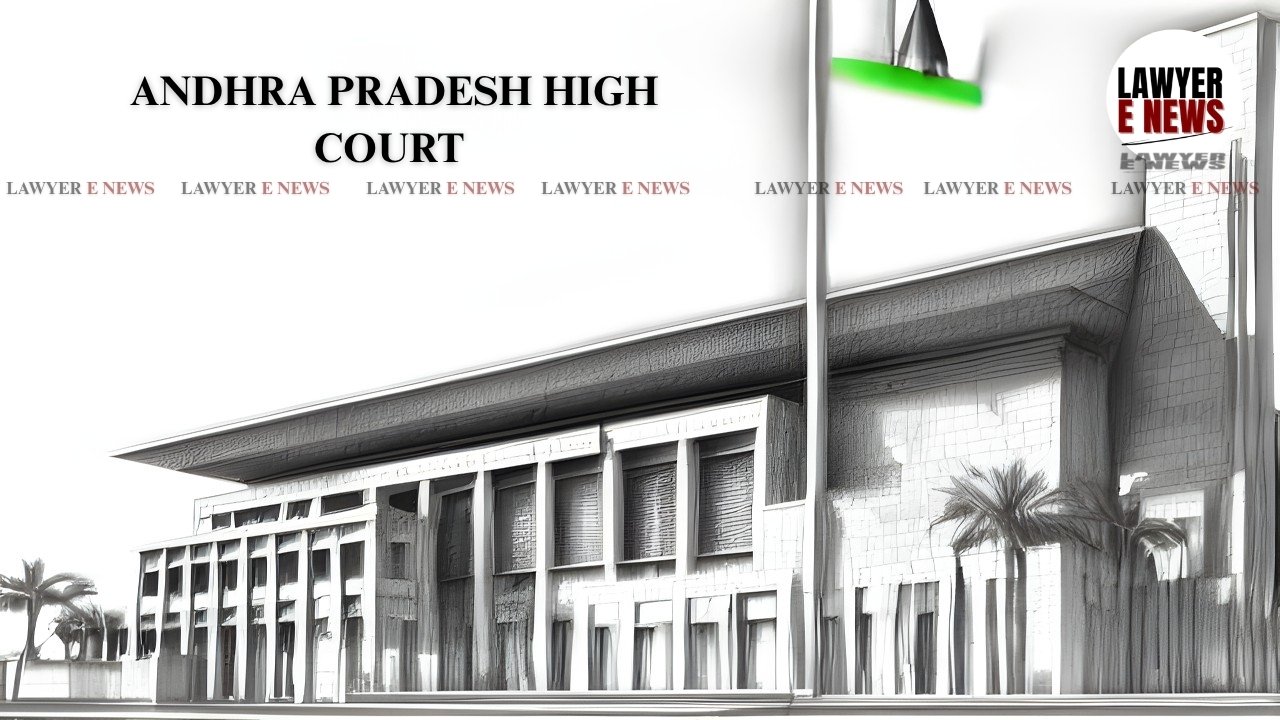
"Procedure is the handmaid of justice, and a technical flaw or procedural oversight should not operate to defeat the search for the truth." Andhra Pradesh High Court, in a ruling dated October 5, 2026, held that the prosecution is not barred from producing additional documents during the trial stage under Section 242 of the CrPC, provided such production is not intended to cure fatal defects or rebuild a failed case.
A bench of Justice Sunitha Gandham observed that an inadvertent administrative oversight, such as the misplacement of documents into another case file, does not constitute an "incurable lacuna" that would prohibit the court from exercising its duty to unearth the truth.
The petitioner, an Inspector of Police facing trial for alleged offences under the Prevention of Corruption Act and the IPC, challenged a trial court order that permitted the prosecution to mark three additional documents after the trial had commenced and 23 witnesses had been examined. The prosecution contended that these documents—concerning the authorization of the Investigating Officer and the service particulars of the accused—had been inadvertently mixed with records of a different case. The trial court allowed the application, a decision the petitioner challenged on the grounds of inordinate delay and an attempt to fill evidentiary gaps.
The primary question before the court was whether the prosecution is legally barred from introducing documents at a belated stage under Section 242 CrPC, especially after the cross-examination of key witnesses. The court was also tasked with determining whether the production of these documents at this juncture constitutes an impermissible attempt to "fill up a lacuna" in the prosecution's case.
Scope of Section 242 CrPC
The Court clarified that Section 242(2) CrPC expressly empowers the Magistrate, upon the prosecution's application, to summon witnesses or direct the production of any document. The statute does not impose an absolute prohibition against the production of documents merely because they were not filed along with the initial charge sheet.
Distinction Between Lacuna and Oversight
The court underscored that the prohibition against "filling up a lacuna" is intended to prevent the prosecution from curing fatal defects or manufacturing a new case after the defence has been disclosed. However, a distinction must be drawn between such fundamental failures and administrative oversights.
"The principal of prohibiting the prosecution from filling up a lacuna applies to curing fatal defects in the core facts or rebuilding a failed case after defence discloses, and a mere administration oversight or accidental misplacement of documents into another case file does not constitute filling up a lacuna."
No Prejudice to the Accused
The Bench noted that the mere receipt of a document on the record does not equate to a final adjudication of its admissibility or evidentiary value. The accused retains the full right to contest the genuineness, relevance, and mode of proof of these documents before the trial court.
"It is also necessary to distinguish between receiving a document on record and admitting the contents of that document in evidence. Mere receipt of a document does not, by itself, amount to a final adjudication upon its admissibility, mode of proof or evidentiary value."
Application to Facts
Finding that the documents were relevant to the chain of investigation and the status of the accused as a public servant, the Court concluded that the trial court’s order was sound. The prosecution had provided a cogent explanation for the delay, and the accused had been granted the necessary opportunity to meet the evidence, thereby ensuring no prejudice occurred.
Consequently, the High Court dismissed the criminal petition, upholding the order of the Special Judge and affirming that procedural rules should facilitate, rather than hinder, the judicial process.
Date of Decision: 05 October 2026