-
by sayum
26 October 2026 4:04 PM







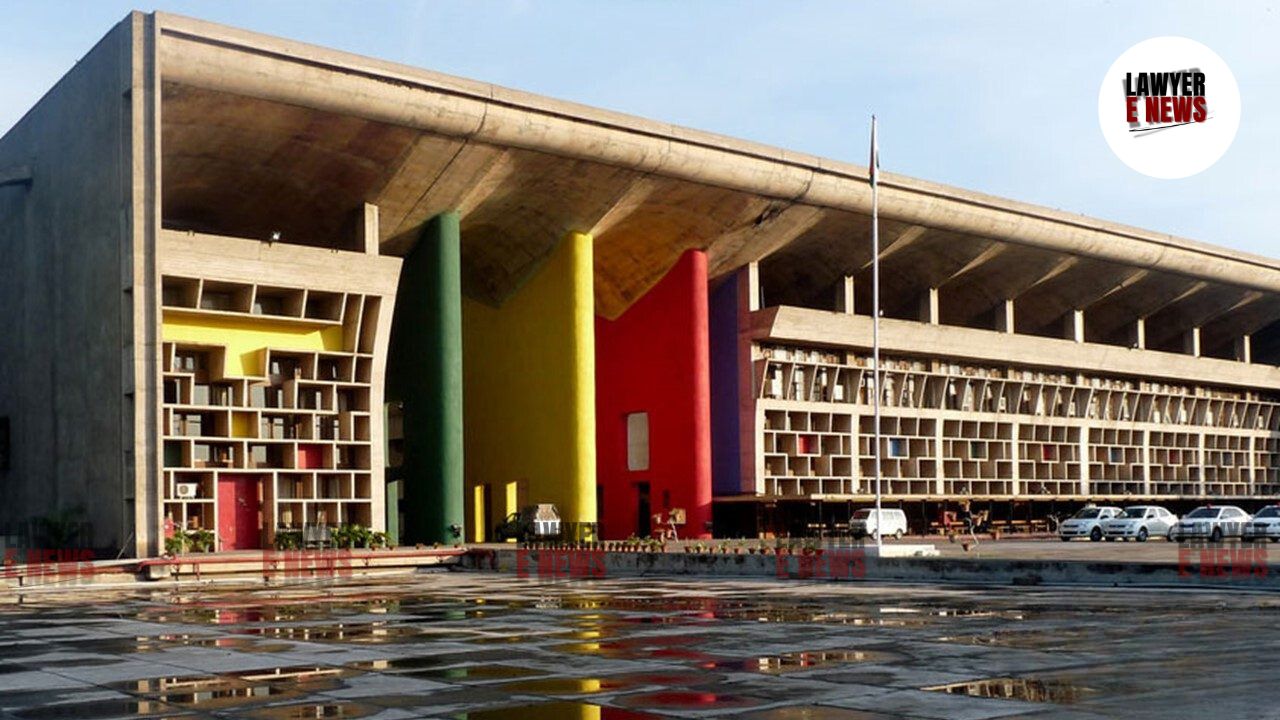
"The defence can take advantage of any statement made in the cross-examination. There is nothing in law that precludes the defence from relying on their evidence." Himachal Pradesh High Court, in a judgment delivered on September 22, 2026, upheld the acquittal of an accused charged under Section 61(1)(a) of the Punjab Excise Act, ruling that the prosecution cannot disregard testimony supporting the defence if it fails to re-examine the witness to clarify the record.
A bench of Justice Rakesh Kainthla emphasized that when a witness provides testimony that aids the accused, the defence is legally entitled to rely upon it, and the prosecution remains bound by such admissions.
The State had appealed against a 2014 acquittal order passed by the Judicial Magistrate First Class, Dharamshala. The prosecution alleged that the police recovered 24 boxes of illicit liquor from a room rented by the accused, Virender Kumar. However, the trial court acquitted the accused, noting that the prosecution failed to establish his exclusive possession of the premises and that independent witnesses had turned hostile.
The court was primarily called upon to determine whether the trial court’s finding of acquittal was perverse or unsustainable. Specifically, it examined whether the prosecution could ignore evidence from its own witness—the landlord—who admitted that a third party also occupied the room, thereby creating reasonable doubt regarding the accused's exclusive possession and control of the contraband.
Limited Scope of Appellate Interference
The High Court reiterated the settled legal position that in an appeal against acquittal, the appellate court should not interfere unless the trial court’s decision is impossible, perverse, or manifestly illegal. Referring to Sanjay Kumar v. State of Bihar, the bench noted that a trial court’s acquittal reinforces the presumption of innocence. If two reasonable views are possible, the view favourable to the accused must prevail.
Binding Nature of Witness Admissions
The prosecution’s case rested on the premises that the room was under the exclusive control of the accused. However, the landlord (PW-4) testified that another individual, Sitaram, also resided in and used the same room. The prosecution failed to re-examine the landlord to clarify this discrepancy. The court held that the prosecution is bound by the evidence provided by its own witnesses if they are not declared hostile or if their testimony, even if unfavorable, remains on record unclarified.
The Benefit of Doubt to the Defence
Citing Javed Masood v. State of Rajasthan and Mukhtiar Ahmed Ansari v. State (NCT of Delhi), the court observed that the defence is entitled to rely on evidence given by prosecution witnesses, regardless of whether they were declared hostile. The bench noted that the landlord’s categorical admission that the room was shared destroyed the prosecution's theory of exclusive possession, which is a vital ingredient for proving an offence under the Punjab Excise Act.
"The statement of this witness made the prosecution case suspect that the accused was in exclusive possession of the room. She categorically stated that Sitaram also shared the room which was rented to the accused. She was not re-examined by the prosecution."
Failure of Independent Evidence
The court further observed that the independent witnesses (PW-1, PW-2, and PW-5) had failed to support the recovery proceedings and were declared hostile. With the material witness effectively supporting the defence and the recovery witnesses failing to corroborate the police version, the prosecution failed to meet the threshold of proof beyond reasonable doubt. The court held that the trial court’s decision to acquit was a "reasonable view" and therefore, no interference was warranted.
Finding no merit in the State's appeal, the High Court dismissed the challenge and upheld the acquittal. In compliance with Section 437-A of the CrPC (now Section 481 of the Bharatiya Nagarik Suraksha Sanhita, 2023), the respondent-accused was directed to furnish bail bonds in the sum of ₹25,000 to remain effective for six months, ensuring his appearance before the Supreme Court in the event of an appeal by the State.
Date of Decision: 22 September 2026