-
by sayum
26 October 2026 4:04 PM







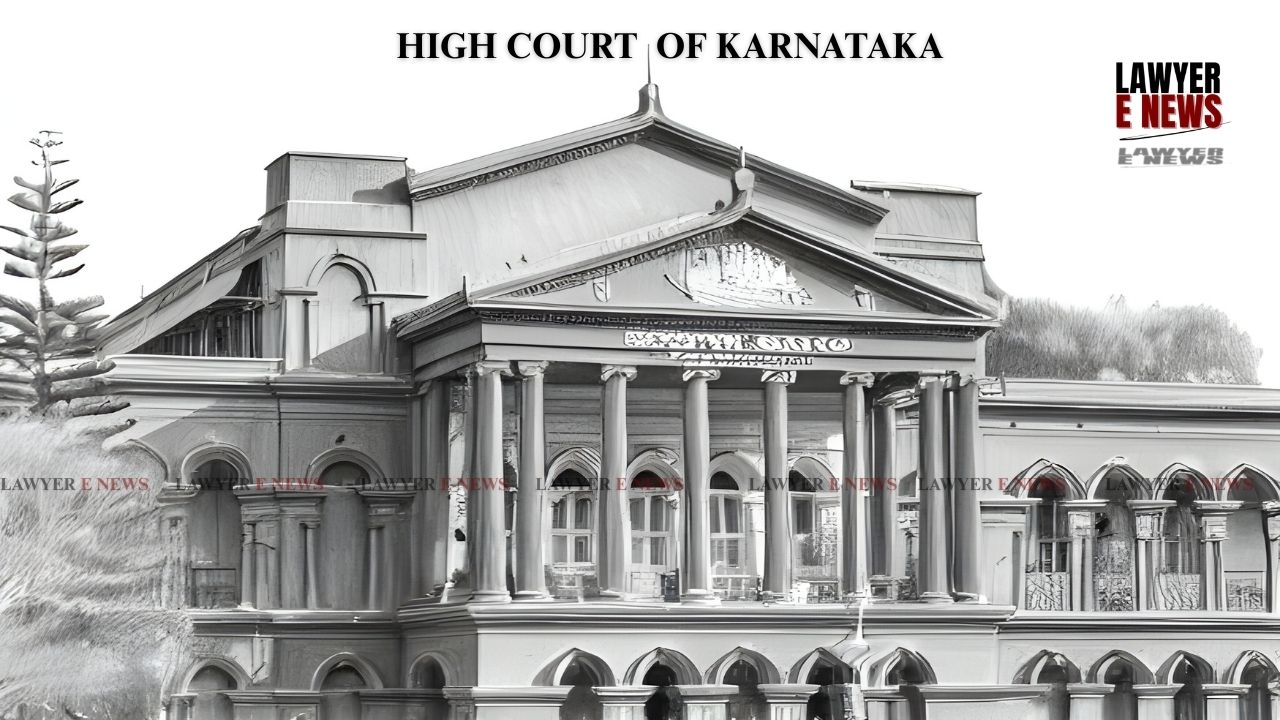
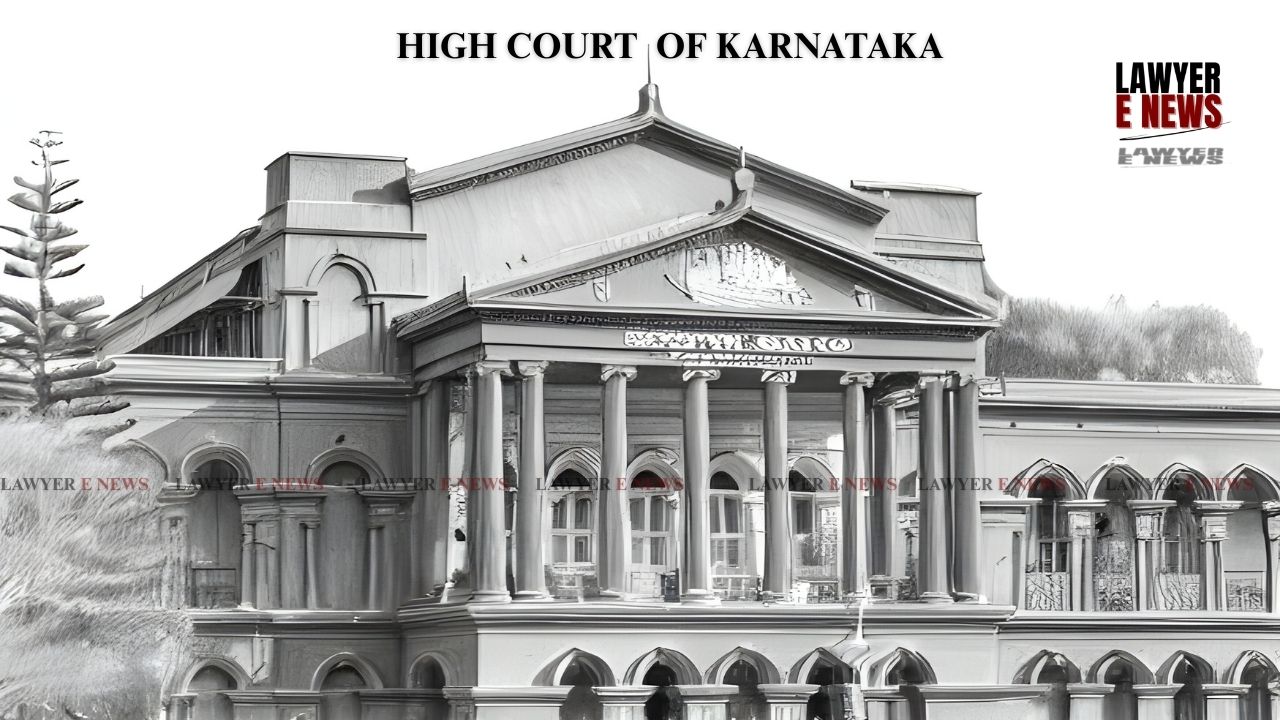
"The governing question in contempt is not whether the subsequent decision is correct, but whether there has been clear, deliberate and willful disobedience of the direction in the judgment." Karnataka High Court, in a ruling dated 28 September 2026, held that contempt proceedings cannot be converted into an appellate forum to challenge the merits or legal correctness of an administrative decision taken in purported compliance of a court’s mandate.
A bench of Justice D.K. Singh and Justice H. Shanthi Bhushan observed that where an authority issues a fresh order pursuant to a judicial direction, any grievance regarding the validity of that order constitutes a fresh cause of action that must be challenged through appropriate judicial review proceedings rather than contempt.
The court emphasized that the contempt jurisdiction is not meant to sit in appeal or review over administrative decisions. "The contempt Court cannot sit in appeal or judicial review over the subsequent decision. It cannot determine whether the authority adopted the correct interpretation, whether the decision was legally right or whether the decision ought to have been different," the bench stated.
The complainants were direct recruits to the post of Range Forest Officer (RFO). Following a 2023 writ petition, the High Court had directed the authorities to re-do the seniority list in accordance with the Supreme Court’s ruling in V.B. Badami v. State of Mysore and the Karnataka State Civil Services (Regulation of Promotion, Pay and Pension) Rules, 1978. Upon the publication of a fresh seniority list on 29 June 2024, the complainants alleged that the authorities had failed to comply with the court's earlier directions and had instead interpreted the rules in a manner convenient to them.
Administrative Compliance Efforts
The contemnors filed several affidavits detailing the process undertaken to finalize the new list. They maintained that a committee was constituted to examine vacancy registers and service records, and that the new list corrected prior anomalies, including the segregation of local and residual parent cadres and the proper assignment of vacancies to the promotion and direct recruitment quotas. They argued that because the list was prepared following due process, including inviting and considering objections, no willful disobedience occurred.
Court Rejects Attempt To Re-Open Merits
The High Court clarified that when an authority initiates a decision-making process in response to a court order, the court must distinguish between genuine compliance and a device used to circumvent directions. Relying on the Supreme Court’s decision in J.S. Parihar v. Ganpat Duggar, the bench noted that the mere fact that a seniority list might be "wrong or may be right or may or may not be in conformity with the directions" does not automatically constitute contempt.
Distinguishing Cause Of Action
"Once there is an order passed by the Government on the basis of the directions issued by the court, there arises a fresh cause of action to seek redressal in an appropriate forum. The preparation of the seniority list may be wrong or may be right or may or may not be in conformity with the directions. But that would be a fresh cause of action for the aggrieved party to avail of the opportunity of judicial review," the court observed.
Finding that the authorities had taken affirmative steps to comply with the 2023 mandate and had addressed the specific anomalies identified by the court, the bench concluded that there was no "clear, deliberate and willful disobedience." Consequently, the contempt petition was closed, and the notices were discharged, leaving the complainants to pursue their grievances through independent legal channels for judicial review.
Date of Decision: 28 September 2026