-
by sayum
18 August 2026 3:10 PM







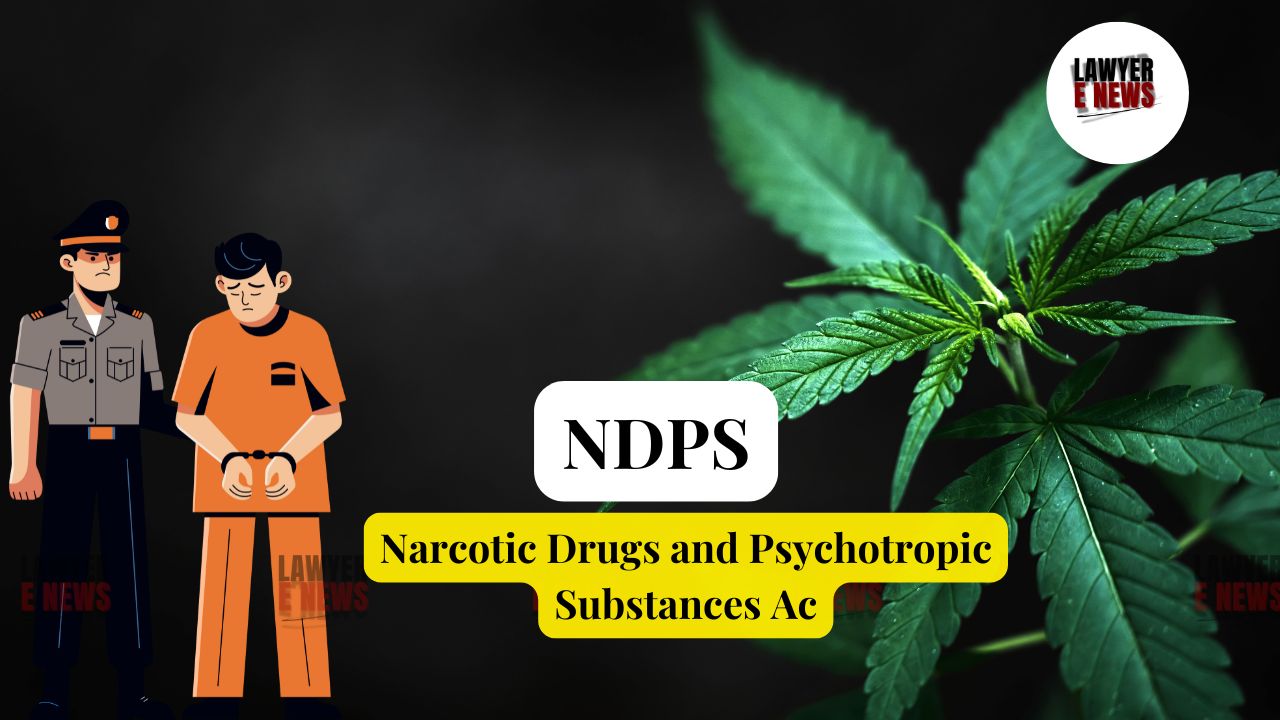
Supreme Court of India granted bail to Izaz Ahamad in a case involving the Narcotic Drugs and Psychotropic Substances (NDPS) Act. The court considered the prolonged detention of the appellant, who had been in custody since April 2023, and the delayed commencement of the trial as key factors in allowing bail.
Izaz Ahamad had been arrested on April 25, 2023, under Sections 21(c) and 29 of the NDPS Act, following the recovery of a significant quantity of Codeine Phosphate syrup. The chargesheet and a supplementary chargesheet were filed, but the trial was scheduled to begin only in January 2025. Ahamad's bail application was initially rejected by the Calcutta High Court on April 30, 2024, prompting him to appeal to the Supreme Court.
The appellant argued that his continued incarceration for over a year without the trial commencing was a violation of his liberty, as guaranteed under the Constitution. His counsel submitted that the long delay in the trial, coupled with the uncertainty regarding the number of witnesses to be examined, would result in further postponement of justice.
The key issue before the Supreme Court was whether continued pre-trial detention, without the prospect of the trial commencing soon, justified granting bail under the NDPS Act, where stringent conditions typically apply to bail applications.
The State opposed the bail, citing the severity of the offence and the rampant misuse of Codeine Phosphate syrup in West Bengal. The State further argued that Ahamad’s release could lead to the continuation of illegal activities.
The Supreme Court, after considering the arguments, acknowledged the long duration of Ahamad's pre-trial detention. The court noted that while the charges against the appellant were serious, the delay in trial was equally concerning. The bench observed:
"Considering the facts on record, in our view, the case for bail is made out."
The court directed the trial court to release Ahamad on bail, subject to conditions ensuring his presence during the trial. It also emphasized that any violation of the bail conditions would lead to the cancellation of bail.
The Supreme Court granted bail to Izaz Ahamad after nearly 17 months of detention, citing the delay in the trial as a key reason. The court's decision underscores the importance of balancing the rights of the accused with the need for timely prosecution in criminal cases.
Date of Decision: October 4, 2024
Izaz Ahamad @ Ahmed vs. The State of West Bengal.