-
by sayum
27 October 2026 12:34 PM







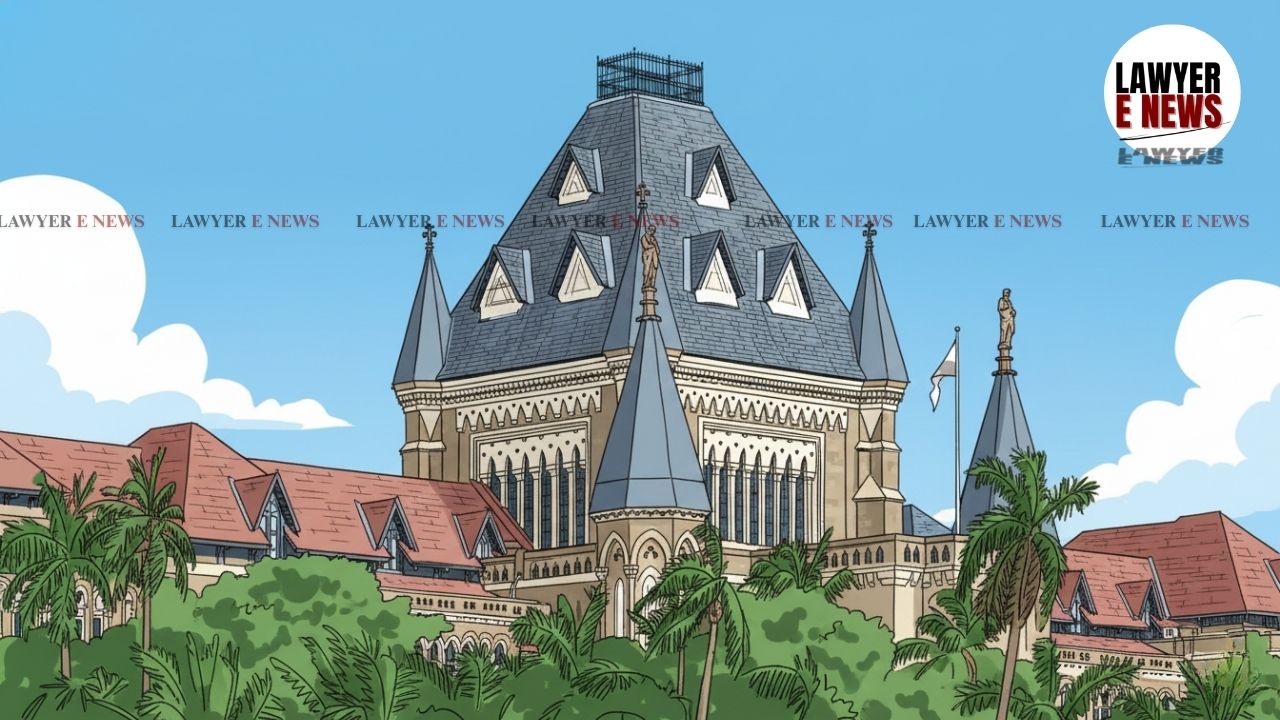
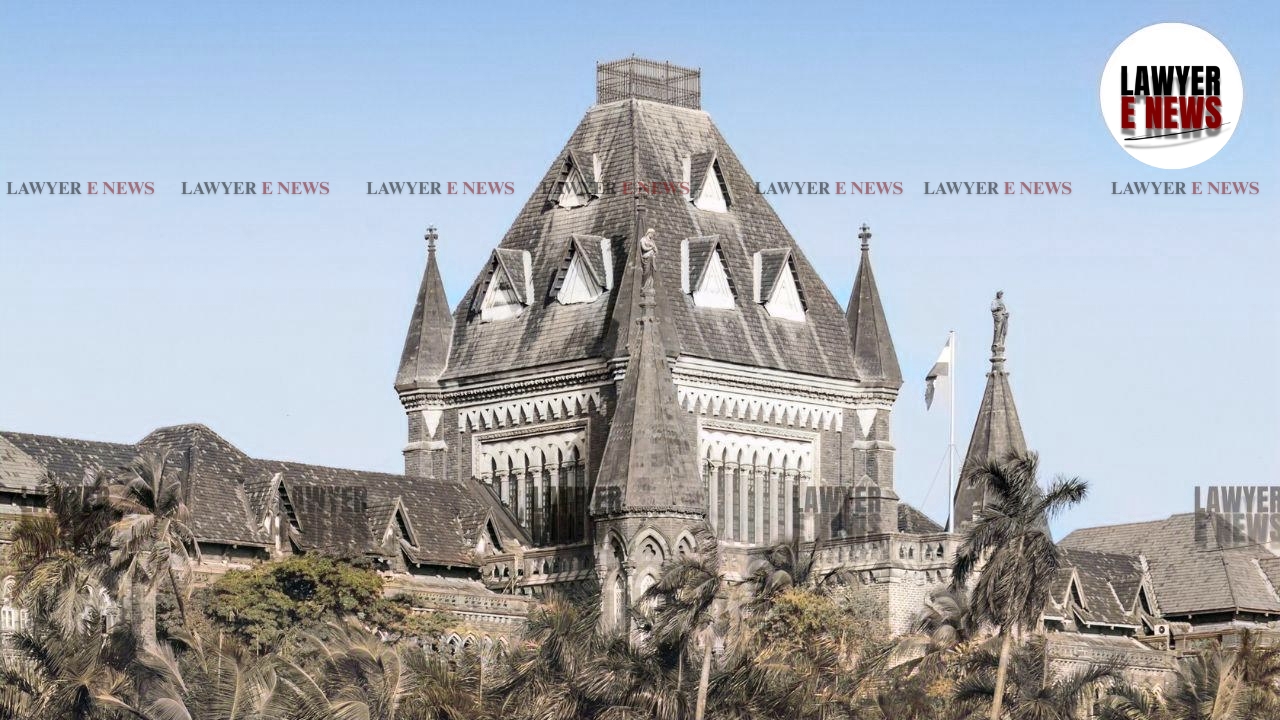
"The fact that natural heirs have either been excluded or a lesser share has been given to them, by itself without anything more, cannot be held to be a suspicious circumstance especially in a case where the bequest has been made in favour of an offspring." Bombay High Court, in a judgment dated October 07, 2026, held that the exclusion of a natural heir from a Will, or the late production of a Will, does not inherently invalidate a testamentary document if the propounder successfully discharges the burden of proving its valid execution.
A division bench of Justices Sarang V. Kotwal and Ranjitsinha Raja Bhonsale observed that while the court must satisfy its conscience by removing all suspicious circumstances, natural heirs can be validly excluded if the testator’s intent is clearly established through credible evidence.
The original dispute arose from a Testamentary Petition filed by the respondent (the daughter) seeking probate of her late father’s Will dated March 21, 1989. The appellants (the son and his legal heirs) challenged the Will, alleging that it was a fabricated document, that the testator lacked a sound and disposing mind due to Parkinson’s disease, and that the total disinheritance of the son was a highly suspicious circumstance, particularly given that the Will was not disclosed until after the son initiated a separate partition suit.
The primary legal issues before the court were whether the Will was validly executed under Section 63 of the Indian Succession Act, 1925, and whether the alleged suspicious circumstances surrounding the Will—including the shaky signature of the testator and the total exclusion of the son—warranted the rejection of the probate.
Court Reaffirms Duty To Scrutinize Wills
The court rejected the respondent’s contention that the lack of specific pleadings in the caveat precluded an examination of suspicious circumstances. Relying on Kavita Kanwar v. Pamela Mehta, the bench clarified that probate proceedings are a matter of the court’s conscience. Therefore, regardless of whether a challenger specifically pleads every ground of suspicion, the propounder is under a mandatory duty to remove any doubt surrounding the execution of the Will to the final satisfaction of the court.
Attesting Witness Evidence Prevails Over Expert Opinion
Regarding the challenge to the testator’s signature, the court emphasized that expert handwriting evidence is a weak form of proof. The bench held that the testimony of an attesting witness, who actually saw the testator sign the document, carries significantly more weight than the opinion of a handwriting expert. The court observed, "The expert’s evidence as to the handwriting is opinion evidence and it can rarely, if ever, take the place of substantive evidence."
Evidence Of Attesting Witness Remains Paramount
The court found the testimony of the attesting witness, Advocate Sandeep Dave, to be entirely reliable. Despite the appellants’ attempt to cast doubt on his neutrality due to his mother’s professional association with the respondent, the court found that his firsthand account of the execution process remained unimpeached during cross-examination. Consequently, the court held that his evidence prevailed over the reports provided by the handwriting experts.
No Absolute Suspicion In Disinheriting Heirs
Addressing the "unnatural" nature of the Will, the court noted that the purpose of a Will is precisely to alter the normal line of succession. Citing Uma Devi Nambiar v. T.C. Sidhan, the bench held that the mere fact of disinheriting a natural heir is not, by itself, a suspicious circumstance. The court found ample evidence of strained relations between the father and the son, noting that the son had remained absent during the father’s long illness and did not even attend the father’s final rites.
Exclusion Explained By Strained Relationships
The bench further dismissed the claim that the testator lacked a sound and disposing mind due to Parkinson’s disease. The court observed that while Parkinson’s explains the shaky signature on the document, it does not, in isolation, prove an incapacity to understand the contents of the Will. The court concluded that the respondent had successfully dispelled all doubts, and therefore, the judgment of the Single Judge granting the probate was upheld.
Date of Decision: 07 October 2026