-
by sayum
19 October 2026 9:21 AM








"Considering the circumstances on record, in our view, the appellants are entitled to the relief claimed under Section 482 of the BNSS." Supreme Court, in an order, held that an accused is entitled to pre-arrest bail under Section 482 of the Bharatiya Nagarik Suraksha Sanhita, 2023 (BNSS) when allegations arise essentially out of civil transactions, do not entail bodily harm, and the accused has maintained continuous cooperation with the investigation. Setting aside multiple rejection orders passed by the High Court of Jharkhand, a bench comprising Justice B.V. Nagarathna and Justice R. Mahadevan observed that "the appellants are entitled to the relief claimed under Section 482 of the BNSS" in connection with an Anti-Corruption Bureau prosecution.
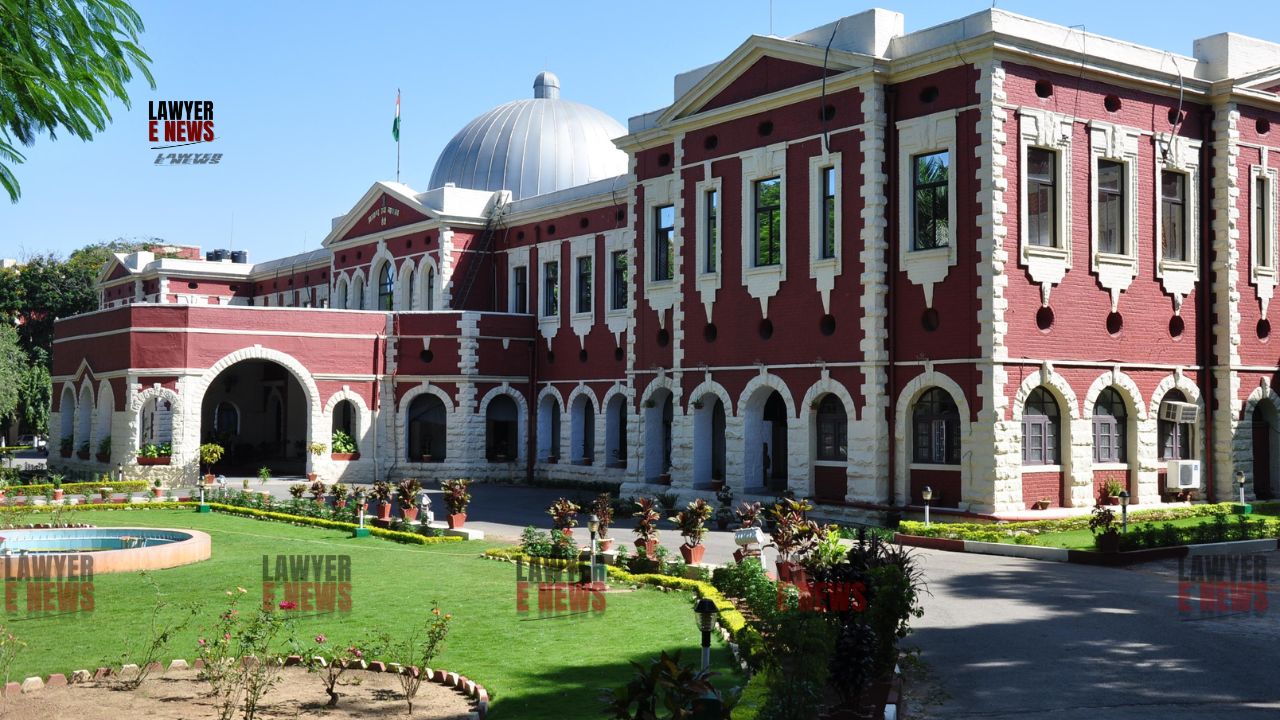
The appellants moved the Supreme Court assailing orders dated December 10, 2025, and March 10, 2026, passed by the High Court of Jharkhand at Ranchi, which had declined their anticipatory bail pleas. The prosecution originated from P.S. Case No. 09 of 2025 registered at the Anti-Corruption Bureau Police Station, District Ranchi, alleging offences of cheating, criminal breach of trust, forgery, and corrupt practices. The apex court had initially granted interim protection against arrest through separate orders passed between February and May 2026.
The primary question before the court was whether the appellants were entitled to anticipatory bail under Section 482 of the BNSS in a case initiated by the Anti-Corruption Bureau where the transactions were commercial or civil in origin and caused no bodily injury, and whether continuous cooperation with the investigating agency justified making the interim protection absolute.
Dispute Stems From Civil Transactions Without Any Bodily Harm
The bench took into consideration the nature of the allegations leveled by the prosecution under both the erstwhile and current penal regimes. The case had been lodged for offences punishable under Sections 420, 467, 468, 471, 409, 107, 109, and 120B of the Indian Penal Code, 1860, corresponding to Sections 61(2) read with 318, 336, 340, 316, 45, and 49 of the Bharatiya Nyaya Sanhita, 2023, along with Sections 7(c), 12, and 13(2) read with Section 13(1)(a) of the Prevention of Corruption Act, 1988.
Senior counsel appearing for the appellants submitted that the accused had extended full cooperation to the investigating machinery throughout the proceedings. It was forcefully urged that the entire controversy was rooted in commercial dealings and civil transactions rather than criminal offences that inflict physical violence or bodily injury on any person.
State Opposed Pre-Arrest Protection Citing Gravity Of Corruption Charges
Opposing the plea, learned counsel appearing for the State of Jharkhand referred to their counter-affidavits and argued that the allegations against the appellants involved grave economic and official impropriety under the Prevention of Corruption Act. The State contended that the severity of the accusations disentitled the appellants from equitable relief under Section 482 of the BNSS and urged the dismissal of the appeals.
The Supreme Court, however, found merit in the submissions of the appellants, concluding that their sustained cooperation with the police combined with the civil nature of the transaction justified confirmation of the anticipatory bail.
Appellants Entitled To Statutory Relief Under Section 482 BNSS
Evaluating the facts and material placed on record, the bench held that the appellants had established a sufficient case for pre-arrest protection under the procedural code. The court formally allowed the appeals, quashed the impugned orders of the High Court, and directed the release of the appellants in the event of their arrest.
The court directed that the arresting officer shall release the appellants on bail upon each of them furnishing cash securities of Rs. 25,000/- with two like sureties. The relief was subjected to specific conditions regarding ongoing compliance with investigatory processes.
Conditions Imposed To Preempt Tampering And Ensure Continued Cooperation
The bench mandated that the appellants must continue to extend complete cooperation in the ongoing investigation. The judges further cautioned that the appellants must not abuse the liberty extended to them or attempt to subvert the trial process.
The court specifically ordered that the appellants shall not misuse their liberty and shall not in any way influence the witnesses or tamper with the materials on record, ensuring the integrity of the prosecution while protecting personal liberty.
Allowing the criminal appeals, the Supreme Court set aside the Jharkhand High Court's refusal of anticipatory bail and confirmed the pre-arrest protection of the appellants under Section 482 BNSS. The ruling affirms that where allegations predominantly arise from civil dealings without bodily injury and the accused actively cooperates with the investigating agency, pre-arrest bail under the new procedural code ought not to be withheld merely on the assertion of general gravity.
Date of Decision: 05 October 2026