-
by sayum
05 October 2026 9:18 AM







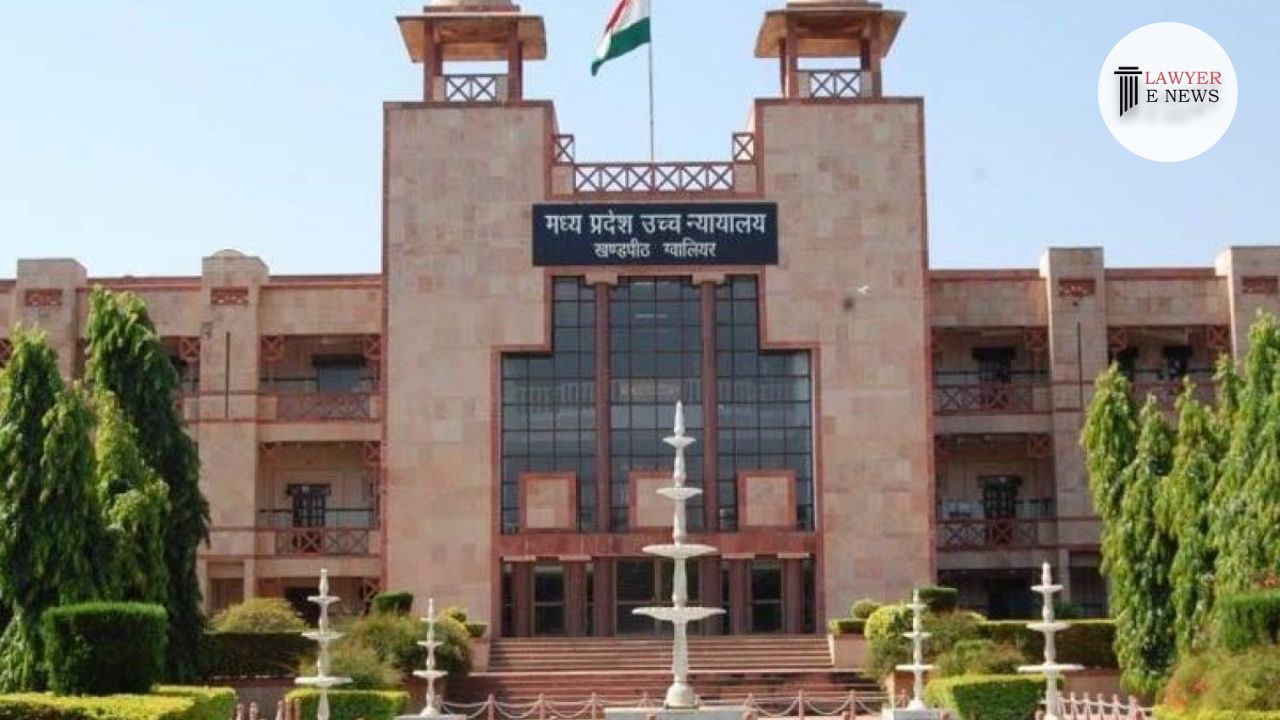
In a significant judgment, the Madhya Pradesh High Court has clarified the limits of state-provided police protection, emphasizing that it should not be extended indefinitely to individuals without a valid and current threat perception.
Facts and Issues: The petitioners, Dilip Sharma and another, sought continued police protection citing past incidents of threat and a fatal attack on a family member. They argued for the necessity of state-provided security, which had previously been granted but was withdrawn due to the settlement of disputes and lack of present threat. The respondents, including the State of Madhya Pradesh, contested the petition, highlighting concerns of police resource misuse and non-payment of security fees by the petitioners.
Past Incidents vs. Current Threat: Justice Anand Pathak observed that while the petitioners faced genuine threats in the past, the necessity for continued police protection was questionable, especially after the conviction of the assailants.
Misuse of Police Protection: The court criticized the petitioners for treating police protection as a status symbol, emphasizing that police resources are meant for public welfare and crime investigation, not for serving as personal security for individuals in the absence of a valid threat.
Financial Implications: It was noted that the petitioners had accumulated a substantial amount of unpaid security fees, amounting to over Rs. 2 crores. The court directed the recovery of these dues, highlighting the financial strain on public resources.
Legal Precedents and Principles: The court referred to the Supreme Court’s directions in Mahendra Chawla and others v. Union of India, concerning witness protection, and differentiated it from the petitioners’ case.
Decision: The High Court dismissed the petition, directing the immediate withdrawal of police protection and recovery of unpaid fees. It also instructed authorities to reassess the threat perception for all individuals receiving state-provided security in Madhya Pradesh, emphasizing the prioritization of public welfare and effective law enforcement over individual protection without a substantiated threat.
Date of Decision: 14th March 2024
Dilip Sharma & Anr. v. State of M.P. & Ors.