
-
by sayum
26 August 2026 1:49 PM







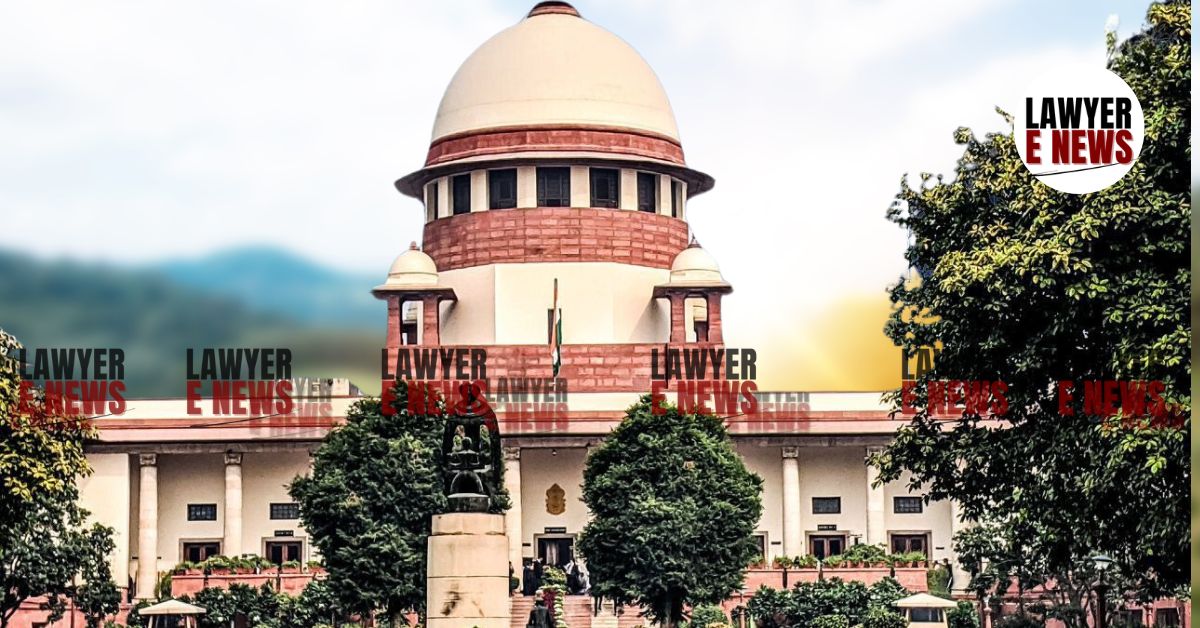
“No More Online Finger-Pointing or Digital Stigma — Remove All Photos and Videos and Refrain from Future Uploads”, In a significant ancillary direction reflecting the Court’s evolving sensitivity to the digital dimensions of matrimonial disputes, the Supreme Court in Baburam Gautam & Others v. State of Uttar Pradesh & Another (decided on 18 December 2025) ordered both husband and wife to remove all photographs and videos relating to each other — and their respective family members — from all social media platforms, and further barred them from uploading any such content in the future.
The Bench of Justices Ahsanuddin Amanullah and K. Vinod Chandran, while dissolving the marriage between the third appellant and the second respondent by invoking its plenary powers under Article 142 of the Constitution, recorded this explicit direction in Paragraph 14 of the order. The Court accepted and formalised the undertakings made by both parties in open court, thereby ensuring that the personal dignity of the individuals and their families remains protected from continued digital exposure and potential online harassment.
“The parties herein undertake to remove all photo/video relating to each other and their family members from all social media platforms and also undertake not to upload any photo/video of each other or each other's family member on any social media portal in future,” the Bench recorded in the judgment.
This direction comes amidst growing concern about the misuse of social media in matrimonial and domestic disputes, where estranged spouses often resort to posting personal photographs, allegations, or videos in the heat of litigation, causing long-lasting reputational and emotional damage.
The Court’s insistence on social media neutrality reflects a deeper recognition that justice must extend not just to courtrooms and legal relief, but also to reputational rehabilitation in the digital realm.
Supreme Court Emphasises Closure Not Just Legally, But Digitally
What sets this order apart is the emphasis on comprehensive closure — not only through withdrawal of FIRs, civil suits, and divorce petitions — but also through deletion of digital remnants of the relationship.
The Court acknowledged that modern matrimonial conflicts are no longer confined to physical and legal spaces but often spill over into online platforms, leaving behind a toxic digital footprint that haunts parties long after litigation ends.
By making the social media conduct a part of the official settlement, the Court has not only safeguarded personal privacy but also prevented future provocation or harassment.
This move also has a legal effect: the undertakings recorded in the Supreme Court order are enforceable, and any breach may result in contempt or future legal proceedings. Thus, any attempt by either party to repost or share past content relating to the other could be treated as a violation of court directions.
A Step Toward Dignified Separation in the Internet Age
The Court's decision reflects a growing judicial awareness of the psychological and reputational impact of unresolved digital exposure in matrimonial battles. In the age of permanent memory and viral content, such steps by the judiciary are not only timely but necessary.
By enforcing the digital clean-up as part of the legal settlement, the Supreme Court has signalled that dignity, privacy, and mutual respect must be preserved not just during litigation — but also in its aftermath.
This ruling, though non-reportable, sets a persuasive precedent for future courts dealing with matrimonial disputes in the age of Instagram, Facebook, WhatsApp, and YouTube, where the personal becomes public, and private wounds become viral content.
Date of Decision: 18 December 2025





