-
by sayum
26 August 2026 8:37 AM








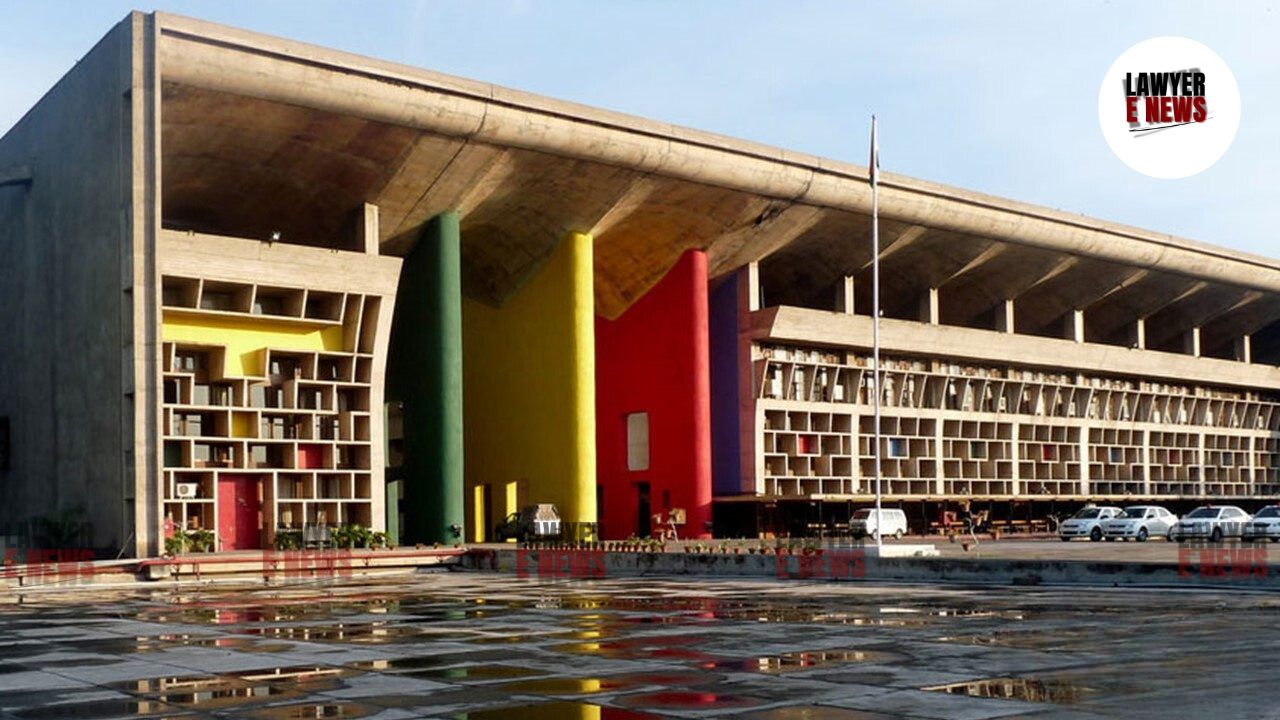
In a strongly worded judgment Supreme Court of India struck down a sweeping order passed by the Punjab and Haryana High Court which had directed mass demolition of constructions in Gurugram and closure of 172 pending civil suits, all without giving affected landowners an opportunity to be heard. The Court emphasized that such directions, issued in a Public Interest Litigation (PIL) without joining the affected parties, amounted to a gross violation of the principles of natural justice.
The bench of Justice J.K. Maheshwari and Justice Vijay Bishnoi, deciding a batch of civil appeals in the case Gaurav Kohli & Others v. State of Haryana & Others, made it clear that "opportunity of hearing is a sine qua non for fair administration of justice", and no judicial or administrative authority can pass binding orders against individuals who have not been given a chance to present their case.
Supreme Court Rules That Civil Suits Cannot Be Shut Down Without Proper Adjudication Under HDRUA Act
The case stemmed from a common order passed by the High Court on 13 February 2025 in two PILs—CWP Nos. 1528 and 2106 of 2021—which concerned allegations of large-scale illegal constructions in residential areas of Gurugram. The High Court, based on official reports submitted by the District Town Planner, had directed authorities to demolish buildings found to be in violation of land-use norms, such as converting residential buildings for commercial use, exceeding Floor Area Ratio (FAR) limits, or constructing additional floors without permission.
In doing so, the High Court also directed that 172 civil suits filed by some of the affected landowners in various civil courts be "forthwith closed", invoking the bar on civil court jurisdiction under Section 15 of the Haryana Development and Regulation of Urban Areas Act, 1975 (HDRUA Act). Many of the appellants before the Supreme Court were not parties to the PIL, and some had already secured decrees from civil courts, which the High Court failed to take into account.
The Supreme Court found these directions fundamentally flawed and procedurally unjust.
High Court Cannot Decide Rights of Unheard Parties in PILs: Court Reaffirms Right to Be Heard
The appellants argued that they were condemned unheard, and the High Court’s directions threatened to override their civil suits and rights over property without giving them a chance to defend their actions. Some had not even been served notices, yet faced demolition orders. The Supreme Court agreed that such a course of action could not be sustained in law.
The Court observed that while unauthorised constructions cannot be protected, their status must be determined after following due process. It stated, “unauthorized or illegal construction and commercial use of residential property contrary to the norms... cannot be protected. But the determination of such fact ought to be made by the authorities affording due opportunity to the owners and occupiers.”
It held that the High Court had erred in directing the closure of civil suits without a proper hearing or adjudication, especially when many of the litigants had approached civil courts precisely to challenge the legality of the notices issued against them. Whether or not the bar under Section 15 of the HDRUA Act applied was itself a matter requiring judicial determination on a case-by-case basis.
Civil Court Jurisdiction Cannot Be Summarily Ousted: Affected Parties Must Be Heard
The Court rejected the High Court’s assumption that the jurisdiction of civil courts stood automatically barred. It noted that such a conclusion could only be reached after examining the individual nature of each suit, which was not done in this case. It reiterated that courts cannot pass sweeping directions affecting substantive rights without following basic procedural fairness.
The judgment stressed that “the observations of the Court should not adjudicate the rights of any parties unheard”, and reminded the constitutional courts that even in PILs, especially where personal rights and property are involved, the affected persons must be given a chance to be heard.
Supreme Court Restores PILs for Fresh Hearing, Directs State to Ensure Wide Publicity for Affected Landowners
Allowing the appeals, the Supreme Court set aside the High Court’s February 2025 order and restored the PILs for fresh adjudication. It directed all affected parties, including the present appellants, to file their responses and applications before the High Court within two weeks.
Importantly, the Court directed the State authorities to give wide publicity to the order so that other landowners or occupants who may be affected could also come forward and participate in the proceedings.
The High Court was requested to decide the PILs afresh after hearing all affected parties, preferably within six months. The Supreme Court left it open for the High Court to proceed ex parte against those who fail to appear after the specified period.
This judgment stands as a vital reaffirmation of a basic rule of law: no person’s legal rights can be taken away without being given a fair chance to defend themselves. Even in the name of public interest, courts must not bypass the minimum guarantee of a fair hearing.
Date of Decision: 28 October 2025