-
by sayum
24 August 2026 3:22 PM







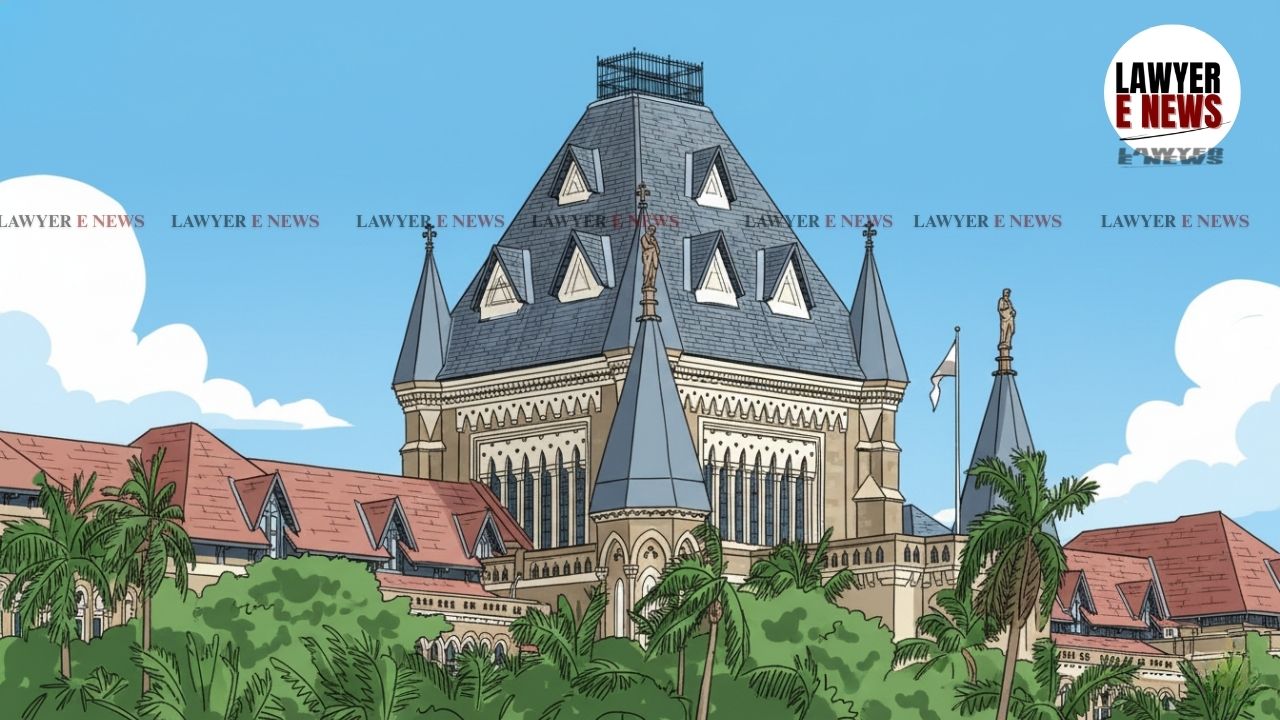
"Once The Slate Is Clean, No Claim Survives ", In a significant ruling firmly held that industrial dispute claims, including reinstatement and back wages, cannot survive once the resolution plan under the Insolvency and Bankruptcy Code, 2016 is approved by the NCLT, unless such claims were explicitly recognized in the plan.
Justice Arun R. Pedneker allowed four writ petitions filed by the company, now under a new management post-resolution, observing that the very foundation of the employee claims had been statutorily extinguished and continuation of such proceedings would amount to subverting the sanctity of the IBC framework.
“Successful Resolution Applicant Cannot Be Saddled With Lingering Liabilities Of The Past – The Plan Brings Finality” – Court Upholds Clean Slate Doctrine
The Court found no hesitation in declaring that any adjudication by Industrial Tribunals or Labour Courts after the approval of the resolution plan is wholly without jurisdiction, particularly when the resolution plan expressly states that all employee claims not admitted during CIRP are to be written off.
“The Resolution Plan makes it abundantly clear that all dues payable to employees and workmen shall be written off in full and shall be, and be deemed to be, permanently extinguished as on the NCLT Approval Date,” the Court noted, referring to Clause 3.4.3 of the plan.
The High Court concluded that the employees had neither filed their claims before the Resolution Professional, nor were their names included in the list of existing manpower disclosed to the Resolution Applicants, thereby losing all entitlement under the IBC mechanism.
“Tribunals Cannot Revive What The IBC Has Extinguished – Reinforcement Of Supreme Court’s View In Essar Steel & Electrosteel” – High Court Quashes Industrial Tribunal Orders
Justice Pedneker emphasized that the issue is no longer res integra and stands conclusively settled by the Supreme Court’s decisions in Essar Steel India Ltd. Committee of Creditors v. Satish Kumar Gupta and Electrosteel Steel Ltd. v. Ispat Carrier Pvt. Ltd.
“It is now well settled that once a resolution plan is duly approved by the adjudicating authority under Section 31, all claims which are not part of the resolution plan shall stand extinguished and no person will be entitled to initiate or continue any proceeding in respect of such claims,” the Court quoted while rejecting the employee arguments.
The Labour Court had wrongly entertained the complaint under Section 33-A of the Industrial Disputes Act and proceeded to adjudicate it on merits, despite the resolution plan having been approved and enforced. The High Court termed this a jurisdictional overreach and observed that such continuation would “defeat the very object and purpose of the IBC”.
“Even A Claim For Reinstatement Without Back Wages Is Legally Impermissible Post IBC Resolution” – Court Extinguishes All Pending Industrial Disputes
Addressing the contention that at least reinstatement should be considered, if not back wages, Justice Pedneker held that even such partial claims cannot be revived once they are not part of the approved resolution plan.
“The lifting of moratorium does not mean that the claim of the respondent would stand revived... Moratorium is intended to ensure that no further demands are raised or adjudicated upon during CIRP so that the process can be concluded without further complications,” the judgment observed.
The Court highlighted that Section 32A of the IBC protects the Successful Resolution Applicant from past liabilities, including those arising from wrongful terminations, once a change in control and management takes place through a court-approved resolution.
“IBC Shall Override All Other Laws – No Exception For Industrial Disputes” – Bombay High Court Reiterates Section 238 Supremacy
The respondents had argued that their termination, having occurred during the moratorium under Section 14 or by the Resolution Professional, was contrary to Section 17 of the IBC and the Industrial Disputes Act. But the Court was categorical in rejecting this argument.
“It is no longer open to the Labour Court or Industrial Tribunal to adjudicate upon such claims when the resolution plan has specifically extinguished them. Section 238 of the IBC overrides any inconsistent provision in any other enactment, including the Industrial Disputes Act,” the Court held.
It further noted that the respondents were terminated either before CIRP or during its pendency, but in both situations, the claims were not preserved in the Resolution Plan, rendering them unenforceable in law.
“Hydra-Headed Claims Will Not Be Permitted To Resurface Once Resolution Plan Achieves Finality” – Court Allows All Writ Petitions, Terminates Labour Court Proceedings
The High Court allowed Writ Petition No. 11862 of 2025 along with three other connected matters—WP No. 12729, 12730, and 12731 of 2025—all arising from similar facts where workmen had challenged their termination and sought reinstatement.
Justice Pedneker ruled, “The claim of the respondents would automatically stand extinguished... There is no scope left for payment of any dues by the petitioner company,” affirming the legal finality of the resolution process.
The orders passed by the Labour Court on 02.07.2025 and the Industrial Tribunal on 21.01.2025 were quashed and set aside, and all pending proceedings were declared terminated in law.
Date of Decision: 12/01/2026