-
by sayum
06 October 2026 7:33 AM







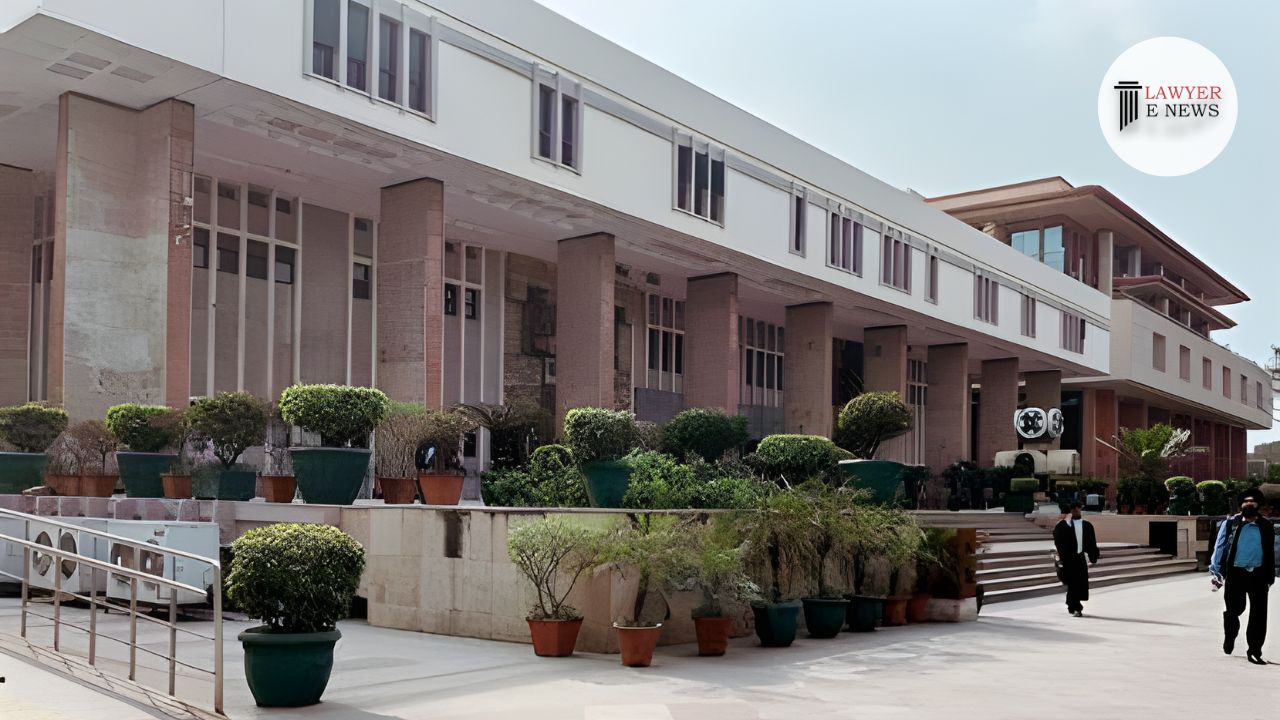
In a significant judgment, the High Court of Delhi has granted a divorce to Ruma Chakraborty, finding her husband, Pranab Kumar Chakraborty, guilty of cruelty and desertion under the Hindu Marriage Act. The court set aside the earlier judgment of the Family Court that had dismissed her plea for divorce and had granted a decree of Restitution of Conjugal Rights to the husband.
The case revolved around the troubled marriage of Ruma Chakraborty and Pranab Kumar Chakraborty, with allegations of neglect, financial irresponsibility, and emotional abandonment by the husband. The primary legal points centered on Sections 13(1)(ia) and (ib) of the Hindu Marriage Act, 1955, dealing with cruelty and desertion, respectively.
The couple, married since 1998, faced continuous discord, leading to the wife living with her parents. The wife’s allegations included the husband’s neglect during her pregnancy, financial irresponsibility, and emotional abandonment. The husband’s counterclaims included assertions of his wife’s unwillingness to adapt to his family life and her withdrawal from marital obligations.
Assessment of Cruelty: The court found substantial evidence of emotional neglect and financial irresponsibility, amounting to cruelty under Section 13(1)(ia) of the Hindu Marriage Act, 1955. The court noted the husband’s failure to provide emotional and financial support during the wife's pregnancy and subsequent care for the child. The Court, citing 'Savitri Pandey Vs. Prem Chandra Pandey', highlighted that cruelty in marriage encompasses not just physical harm but also mental agony and fear imposed on one spouse by the other.
Assessment of Desertion: The court also observed that the husband’s actions constituted desertion under Section 13(1)(ib) of the Act. It was noted that the wife, due to the husband’s neglect, was compelled to live with her parents, highlighting the lack of financial and emotional support. The court, referencing 'Bipinchandra Jaisinghbhai Shah Vs. Prabhavati', clarified the essential elements of desertion: the factum of separation and the intention to bring cohabitation permanently to an end. The court found that the husband had not only abandoned the appellant physically but also failed to provide for her and their child, reflecting a clear intention of permanent separation.
Rejection of Restitution of Conjugal Rights Claim: The court rejected the husband's claim for restitution of conjugal rights, noting that it was the husband’s inability to maintain his marital responsibilities that compelled the wife to live with her parents. This, as per the court, did not amount to her deserting him but rather a consequence of his neglect.
The court allowed the appeals, granting Ruma Chakraborty a divorce under Sections 13(1)(ia) and (ib) of the Hindu Marriage Act, 1955, on grounds of cruelty and desertion by her husband. The court emphasized the permanence of desertion and the husband’s failure to fulfill marital obligations as key factors in its decision.
Date of Decision: March 07, 2024
xxx vs. xxx