-
by sayum
21 October 2026 1:30 PM







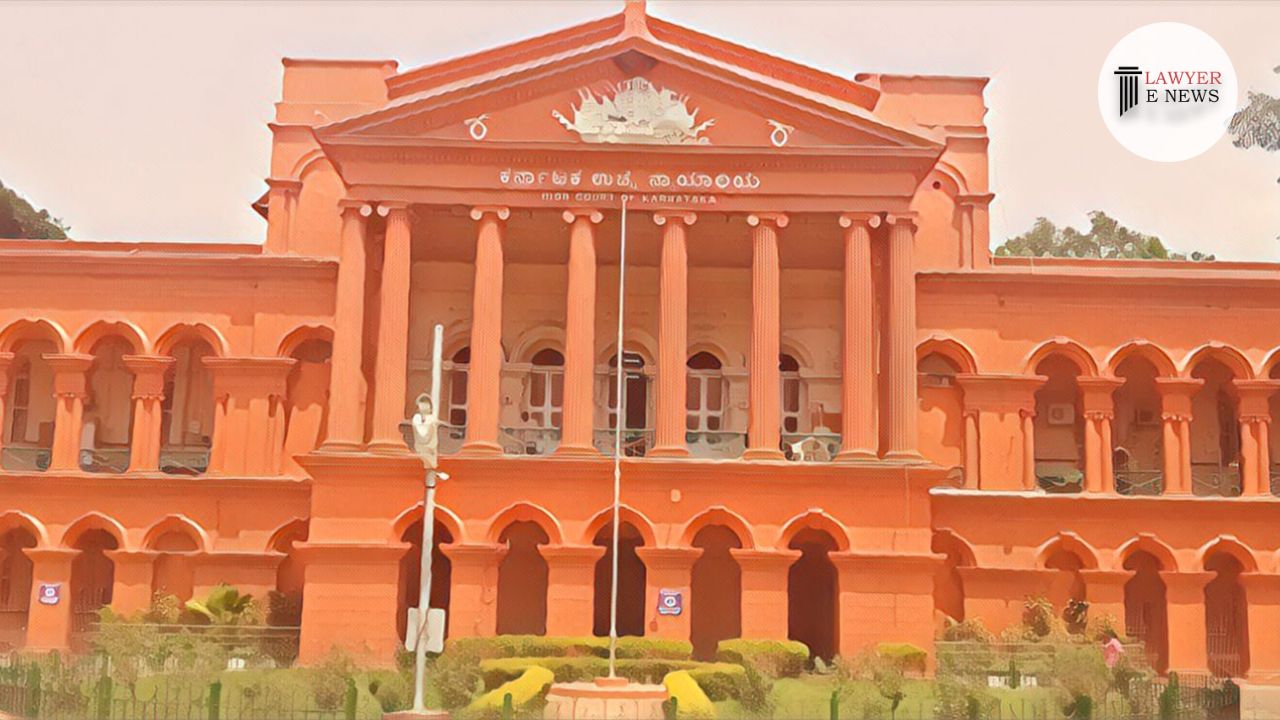
The Karnataka High Court, cannabis seeds and leaves can only be removed from the definition of "ganja" under Section 2(iii)(b) of the NDPS Act if they are not accompanied by fruiting and flowering tops.
According to the clause, "cannabis" refers to ganja, which are the cannabis plant's blooming or fruiting tops (excluding the seeds and leaves when not accompanied by the tops).
Justice K. Natarajan's single-judge panel made the following observation in this context: "Only the leaves and seeds not associated, therefore it cannot be recognised as ganja. The seeds and leaves must not be present with the tops and fruits in order to avoid meeting the definition of marijuana.
It declined to overturn criminal charges brought against a 73-year-old who was allegedly caught in possession of 750 grammes of marijuana under Sections 20(a)(i) and 20(b)(ii)(A) of the NDPS Act. The complaint, in particular seizure panchanama, shows that the petitioner's bag appeared to be a leaf but actually included a flower, a fruiting top, leaves, and seeds. In light of this, it includes the flowering and fruiting tops in addition to the seeds and leaves. As a result, the material that was seized has flowering and fruiting tops along with seeds and leaves, which is what constitutes ganja, or the cannabis plant's leaves and seeds along with flowering or fruiting tops. It is classified as ganja.
The petitioner's major argument was that the material that had been seized, which only contained 750 grammes of leaves and seeds, was not marijuana.
According to the prosecution, ganja contains leaves, fruiting tops, seeds, and stems and cannot be divided at the time of seizure. It was argued that even if the leaves are taken off, the amount of ganja will decrease and that this is not enough of a reason to stop the criminal proceedings in and of itself.
"The view of FSL suggests the positive of ganja," the bench declared. Three witnesses were questioned by the trial court as well. The petitioner's argument that the amount of marijuana that was seized will not meet the definition of ganja under Section 2(iii)(b) of the NDPS Act cannot be accepted in light of the facts.
Additionally, it was decided that removing seeds and leaves would make marijuana less than a small, medium, or commercial quantity and would not be a valid reason to throw out the criminal case.
"Even for the purpose of evaluating the bail application, if the commercial quantity of ganja is seized, the accused cannot plead to bring under the medium quantity by arguing that it is not a commercial quantity by removing the seeds and leaves," the court's ruling continued.
Rangappa vs State By Basavapatna