
-
by sayum
21 October 2026 1:30 PM







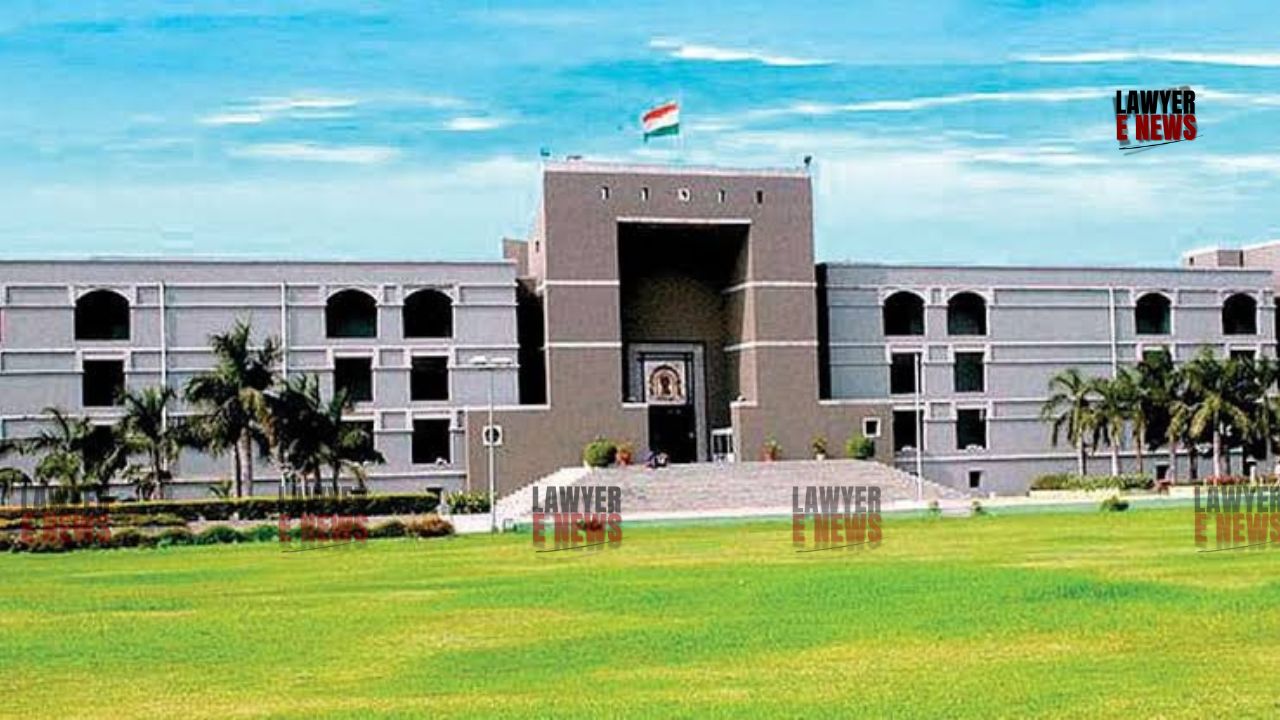
"The design of the statute makes it evident that saving the life of the pregnant woman is of paramount importance, notwithstanding the length of the pregnancy." Gujarat High Court, in a significant ruling dated September 25, 2026, held that the statutory outer limit for the termination of pregnancy under the Medical Termination of Pregnancy (MTP) Act is not absolute and may be relaxed when the continuation of pregnancy poses a risk to the life or grave injury to the mental health of the pregnant woman.
A single-judge bench of Justice M. K. Thakker, while dealing with a plea by a rape survivor whose pregnancy had reached 25 weeks, observed that the right to bodily integrity and reproductive choice is a fundamental facet of the right to life under Article 21 of the Constitution of India.
Medical Termination and the Best Interest Theory
The matter involved an 18-year-old victim who, following an alleged incident of sexual assault, sought judicial intervention to terminate a 25-week pregnancy. Relying on Supreme Court precedents including X vs. Union of India, the court noted that cases of sexual assault resulting in pregnancy are inherently traumatic. The bench reasoned that forcing a victim to carry a pregnancy against her will, particularly in cases of rape, constitutes a direct infringement of her dignity and mental well-being.
Court Acknowledges Right to Reproductive Choice
The court emphasized that the MTP Act, as a piece of progressive legislation, must be interpreted to protect the autonomy of the woman. Referencing the principles laid down in Suchita Srivastava vs. State (UT of Chandigarh), the bench underscored that reproductive choice is an inseparable part of personal liberty. The judiciary's role in such matters, the court noted, is to prioritize the 'best interest' of the victim, ensuring that the legal process does not exacerbate the trauma already suffered due to the criminal act.
"The termination of pregnancy in cases, like the present one, cannot be reduced merely to be defined as the right of a woman sexually assaulted, but also to be recognized as a human right, as it affects the dignified existence of a victim."
Procedures for Late-Term Termination
Following the medical examination by a panel at the Civil Hospital, Bharuch, the court directed that the procedure be conducted under the supervision of a team comprising gynecologists, a physician, an anesthesiologist, and a psychiatrist. The court explicitly mandated that in the event the foetus is born alive, the state must ensure the provision of necessary medical care and assume responsibility for the child under the Juvenile Justice (Care and Protection of Children) Act.
Ensuring Scientific Evidence Collection
While permitting the termination, the court balanced the petitioner's rights with the investigative requirements of the criminal case. The bench directed that the medical team must preserve tissue samples from the foetus for DNA identification, which are to be handed over to the Investigating Officer. This ensures that the reproductive rights of the victim are upheld without compromising the integrity of the evidence required for the prosecution of the alleged offences under the Bharatiya Nyaya Sanhita (BNS).
The court concluded by ordering the immediate constitution of a medical team to perform the surgery with due care and precaution. It further directed that the victim's identity remain protected throughout the process and in all future court records. By disposing of the petition with these comprehensive directions, the High Court reiterated that procedural technicalities regarding the length of gestation cannot override the constitutional imperative to protect the mental and physical health of a rape survivor.
Date of Decision: 25 September 2026