Patta Without SDM’s Prior Approval Is Void Ab Initio And Cannot Be Cancelled – It Never Legally Existed: Allahabad High Court Natural Guardian Means Legal Guardian: Custody Cannot Be Denied to Father Without Strong Reason: Orissa High Court Slams Family Court for Technical Rejection Affidavit Is Not a Caste Certificate: Madhya Pradesh High Court Sets Aside Zila Panchayat Member's Election for Failing Eligibility Under OBC Quota Confession Recorded By DCP Is Legally Valid Under KCOCA – Bengaluru DCP Holds Rank Equivalent To SP: Karnataka High Court Difference of Opinion Cannot End in Death: Jharkhand High Court Commutes Death Sentence in Maoist Ambush Killing SP Pakur and Five Policemen Mere Presence Of Beneficiary During Execution Does Not Cast Suspicion On Will: Delhi High Court Litigants Have No Right to Choose the Bench: Bombay High Court Rules Rule 3A Is Mandatory, Sends Writ to Kolhapur Testimony Must Be of Sterling Quality: Himachal Pradesh High Court Acquits Grandfather in Rape Case, Citing Unnatural Conduct and Infirm Evidence Cheating and Forgery Taint Even Legal Funds: No Safe Haven in Law for Laundered Money: Bombay High Court Final Maintenance Is Not Bound by Interim Orders – Section 125 Determination Must Be Based on Real Evidence: Delhi High Court Contempt | Power to Punish Carries Within It the Power to Forgive: Supreme Court Sets Aside Jail Term for Director Who Criticised Judges Over Stray Dog Orders Seizure and Attachment Are Not Twins: Supreme Court Holds Police Can Freeze Bank Accounts in PC Act Cases Using CrPC Section 102 IBC | Pre-Existing Dispute Must Be Real, Not Moonshine: Supreme Court Restores Insolvency Proceedings, Says Admission Cannot Be Rejected Based on Spurious Defence Summons Under FEMA Are Civil in Nature – Section 160 CrPC Has No Role to Play: Delhi High Court Denies Exemption to Woman Petitioner from Personal Appearance Before ED Clear Admission in Ledger Is Sufficient for Summary Judgment: Delhi High Court Decrees ₹16.77 Cr in Favour of MSME Supplier Mere Allegation Under SC/ST Act Doesn’t Bar Bail When No Public Abuse Is Made Out: Karnataka High Court Grants Anticipatory Bail in Caste Atrocity Case Consent Of Girl Aged Above 16 Is Legally Valid Under Pre-2013 Law: Karnataka High Court Sets Aside Rape Conviction Insurer Entitled to Recover Compensation from Owner When Driver Has No Licence or Fake Licence: Punjab & Haryana High Court Applies ‘Pay and Recover’ Doctrine Courts Cannot Rewrite Contracts Where Parties Have Failed to Clearly Define Property Terms: Punjab & Haryana High Court Dismisses Appeal in Specific Performance Suit Even Illegal Appointments Cannot Be Cancelled Without Hearing: Patna High Court Quashes Mass Termination Of Absorbed University Staff Renewal Is Not Extension Unless Terms Are Fixed in Same Deed: Bombay High Court Strikes Down ₹64.75 Lakh Stamp Duty Demand on Nine-Year Lease Fraud Vitiates All Solemn Acts—Appointment Void Ab Initio Even After 27 Years: Allahabad High Court Litigants Cannot Be Penalised For Attending Criminal Proceedings Listed On Same Day: Delhi High Court Restores Civil Suit Dismissed For Default Limited Permissive Use Confers No Right to Expand Trademark Beyond Agreed Territories: Bombay High Court Enforces Consent Decree in ‘New Indian Express’ Trademark Dispute Assam Rifles Not Entitled to Parity with Indian Army Merely Due to Similar Duties: Delhi High Court Dismisses Equal Pay Petition Conspiracy Cannot Be Presumed from Illicit Relationship: Bombay High Court Acquits Wife, Affirms Conviction of Paramour in Murder Case Bail in NDPS Commercial Quantity Cases Cannot Be Granted Without Satisfying Twin Conditions of Section 37: Delhi High Court Cancels Bail Orders Terming Them ‘Perversely Illegal’

Mere Use of Abusive Language and Threats Insufficient for Offense U/S 294 IPC – MP High Court

07 May 2024 8:19 AM

By: Admin


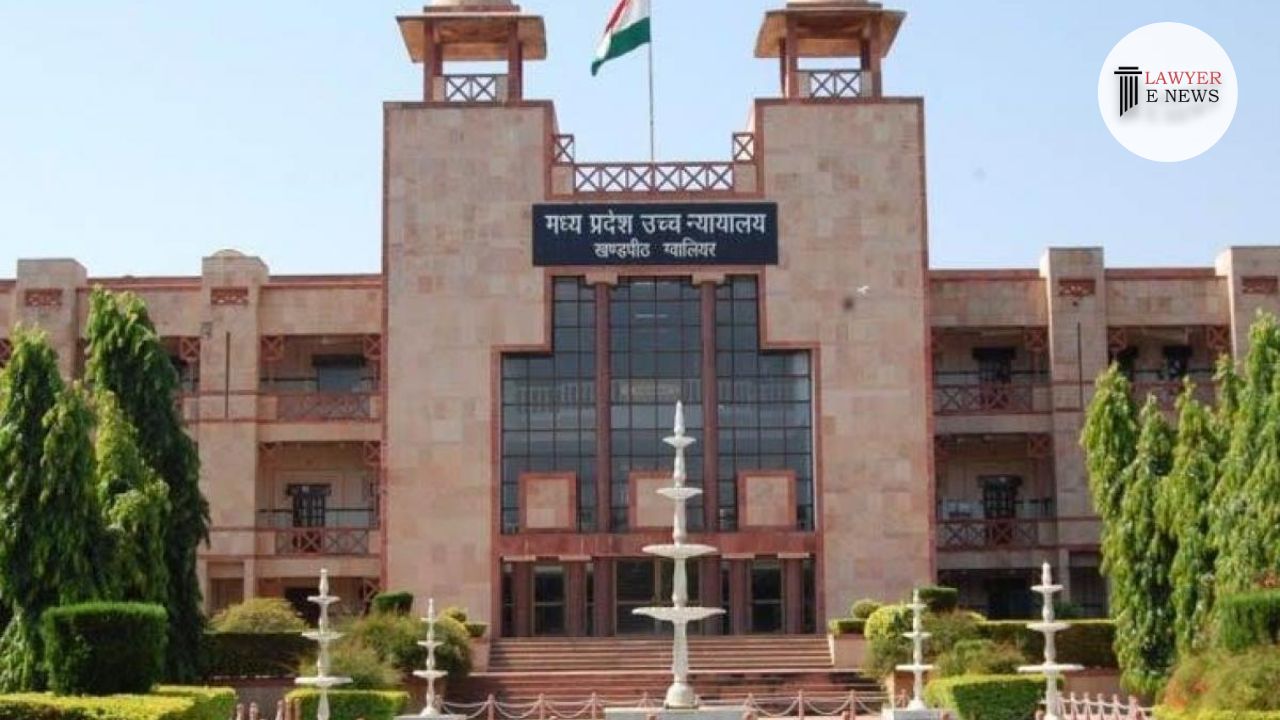
In a significant legal development, the Madhya Pradesh High Court, in a recent judgment, emphasized that “mere use of abusive language and threats” does not suffice to constitute criminal offenses under Section 294 and 506 of the Indian Penal Code (IPC). The court quashed the First Information Report (FIR) and charge sheet filed against the accused, highlighting the importance of specific allegations and necessary ingredients for such offenses.

The case, M.Cr.C.No.19835 of 2017, involved an application under Section 482 of the Criminal Procedure Code (Cr.P.C) seeking the quashing of the FIR and charge sheet. The complainant alleged that the accused had used abusive language and issued threats. However, upon close examination of the factual matrix, the court found that the allegations lacked specificity and failed to establish the intent to cause alarm, which is a crucial element of these offenses.

Justice Dinesh Kumar Paliwal, presiding over the case, stated in the judgment, “Mere use of abusive language and threats, without demonstrating an intention to cause alarm or create a reasonable apprehension of harm, does not meet the legal threshold for offenses under Section 294 and 506 of IPC.”

The judgment referred to several precedents, including the landmark case of State of Karnataka Vs. L.Muniswamy and Others (1977) 2 SCC 699, to underscore the importance of clear and specific allegations when invoking these criminal provisions.

The decision has significant implications for cases involving similar allegations, as it reaffirms the principle that the law requires more than just the use of strong language or threats to establish criminal liability.

This judgment serves as a reminder of the judiciary’s role in ensuring that criminal allegations meet the legal criteria and that offenses are not established solely on the basis of offensive language or threats.

Date of Decision: 22.09.2023

PRAFULLA KUMAR JAISWAL vs THE STATE OF MADHYA PRADESH

Latest Legal News