-
by sayum
05 August 2026 6:43 AM







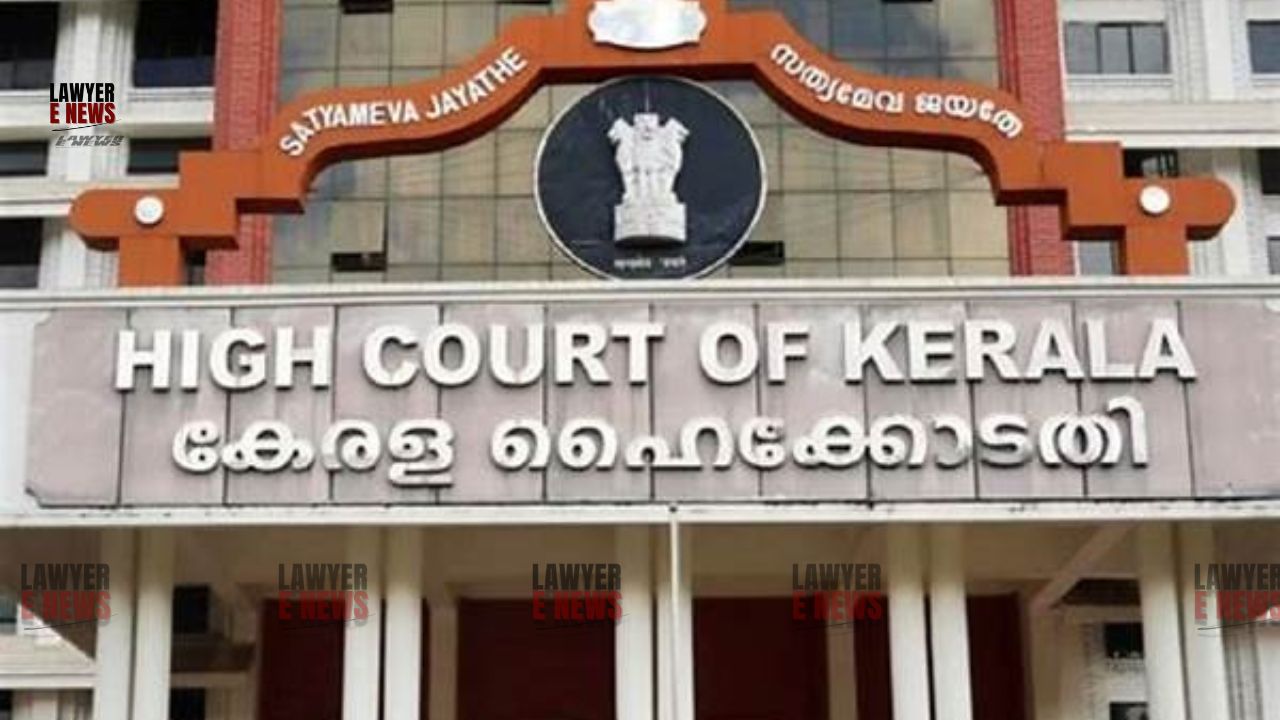
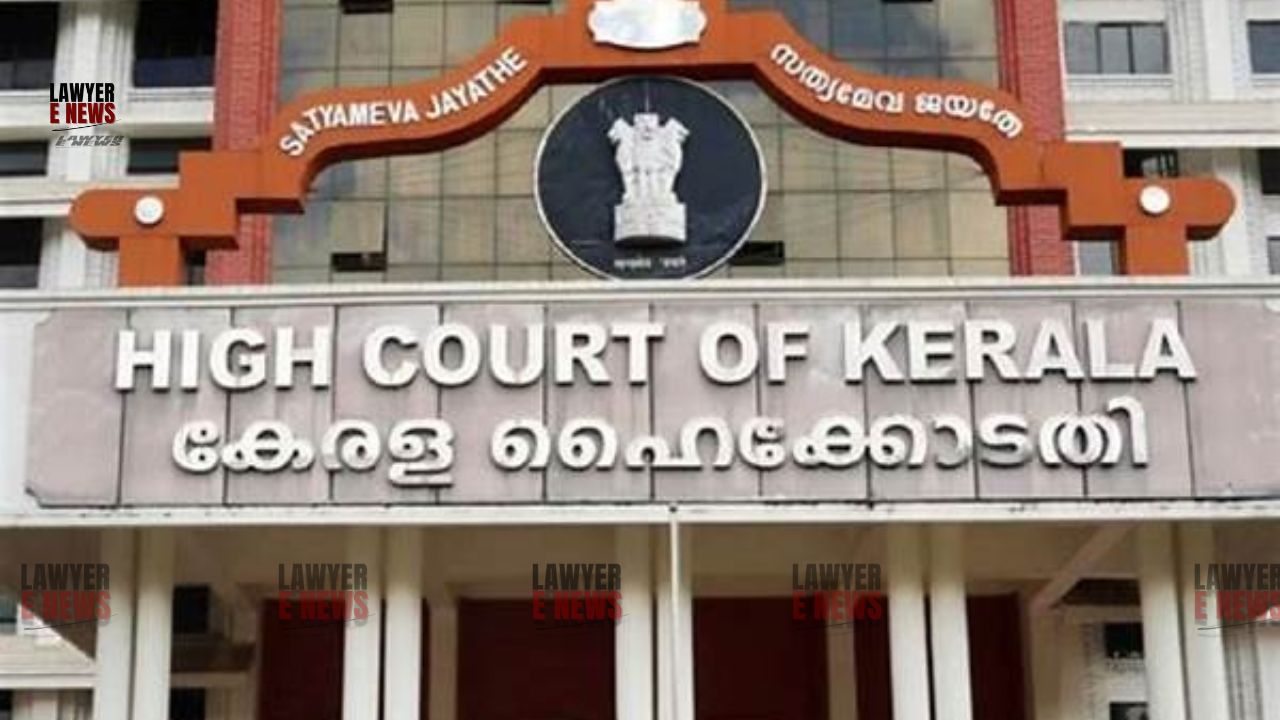
“Absence of Specific Denial Equals Admission… Statutory Requirement of Readiness and Willingness Under Section 16(c) Stands Satisfied” — Kerala High Court, in a significant ruling, upheld the decree for specific performance, rejecting the defendant’s plea that the sale agreement was fabricated using blank signed stamp papers. The Bench comprising Justice Sathish Ninan and Justice P. Krishna Kumar observed:
“The absence of specific denial in the written statement amounts to deemed admission… Accordingly, the requirement under Section 16(c) of the Specific Relief Act stands fully satisfied.”
The Court further clarified that a violation of Section 269ST of the Income Tax Act, which restricts large cash transactions, does not render a civil sale contract void. This decision reinforces the evidentiary value of written contracts supported by consistent oral testimonies, and the enduring requirement of ‘readiness and willingness’ under the Specific Relief Act, 1963, even after its amendment in 2018.
The case arises from Regular First Appeal No. 151 of 2024, which challenged the judgment dated 25th January 2024 passed by the Sub Court, Ottappalam, in O.S. No. 73 of 2019.
The respondent (plaintiff), Abhilash G. Asad, filed a suit seeking specific performance of a sale agreement dated 30.03.2019, for the purchase of 94.25 cents of land at the agreed price of ₹43,000 per cent. The plaintiff paid a total of ₹14.25 lakhs in installments, which were duly endorsed on the reverse of the sale agreement.
The defendant, Jhoni James, however, denied executing any such written agreement and alleged that the plaintiff fraudulently created the document using blank signed stamp papers that were handed over in connection with an unrelated financial transaction. He admitted to receiving ₹4 lakhs by cheque, but claimed it was merely for redeeming the property from a bank mortgage and not as part of a sale transaction.
The Trial Court decreed specific performance in favour of the plaintiff, holding the agreement genuine and enforceable. Aggrieved, the defendant filed this appeal.
“Readiness and Willingness: A Statutory Mandate That Cannot Be Evaded”
The appellant argued that the plaintiff had failed to establish readiness and willingness to perform his obligations under the contract, especially as there was no notice issued demanding execution of the sale deed.
Rejecting this, the Court categorically stated: “In the present case, the respondent specifically pleaded that he was always ready and willing to pay the balance consideration. This statement remained unchallenged in the written statement. Therefore, under Order VIII Rule 5 CPC read with Section 58 of the Evidence Act, it must be held that the statutory requirement under Section 16(c) of the Specific Relief Act stands satisfied.” — [Para 12]
The Court emphasized that mere absence of bank statements showing sufficient funds does not negate financial capacity where the defendant himself admitted during cross-examination that the plaintiff was a businessman owning multiple medical stores and godowns.
“Allegation of Fabrication Fails When Accompanied by Admission of the Transaction”
Referring to the defendant’s plea that the sale agreement was fabricated using blank signed stamp papers, the Court observed:
“The appellant has not denied the transaction in its entirety. He admitted to an oral agreement regarding the very same property… and even acknowledged receipt of ₹4,00,000/- from the respondent for releasing the title deed from the bank.” — [Para 9]
The Court held that the oral and documentary evidence, including the testimonies of the attesting witnesses (PWs 2 & 3) and the document writer (PW4), were consistent and unshaken despite rigorous cross-examination.
“The plea of fabrication stands wholly unsustainable in the light of cumulative evidence.” — [Para 9]
“Technical Procedural Defects Do Not Render a Document Invalid”
The appellant argued that the document writer failed to sign beneath the endorsements in violation of Rule 18 of the Kerala Document Writers’ Licence Rules, 1960, thereby making the document unreliable.
The Court dismissed this technical objection, stating:
“Such procedural omissions are primarily for documents presented for registration. The absence of the document writer’s signature below the endorsement does not affect the validity of the agreement or its probative value.” — [Para 10]
“Income Tax Law Cannot Override Contractual Enforceability”
Addressing the contention that the alleged cash payments violated Section 269ST of the Income Tax Act, the Court clarified:
“Violation of Section 269ST may attract penal consequences under the Income Tax Act but does not invalidate the sale agreement in a suit for specific performance.” — [Para 14]
“Challenge to Market Price Fails in Absence of Evidence”
The appellant claimed that the agreed price of ₹43,000 per cent was below the market rate, which was allegedly ₹60,000 per cent, rendering the contract unconscionable.
Rejecting this, the Court noted:
“No credible evidence was produced to substantiate the alleged market rate. In contrast, the agreed price is recorded in Ext.A1, and the plaintiff has already deposited the balance consideration before the Trial Court.” — [Para 15]
Conclusion: Appeal Dismissed — Specific Performance Decree Upheld
Concluding the judgment, the Court declared: “Upon comprehensive evaluation of the evidence on record, we find no reason to interfere with the well-reasoned findings of the Trial Court. The appeal fails and is accordingly dismissed.”
This ruling reaffirms that mere allegations of fraud unsupported by cogent evidence cannot defeat the sanctity of a written contract. The Court further reinforced that technical violations of income tax law do not render private contracts unenforceable in civil law, and that the statutory requirement of readiness and willingness under Section 16(c) of the Specific Relief Act can be satisfied through legal presumptions arising from pleadings.
Date of Decision: 27 June 2025