-
by sayum
09 October 2026 12:19 PM







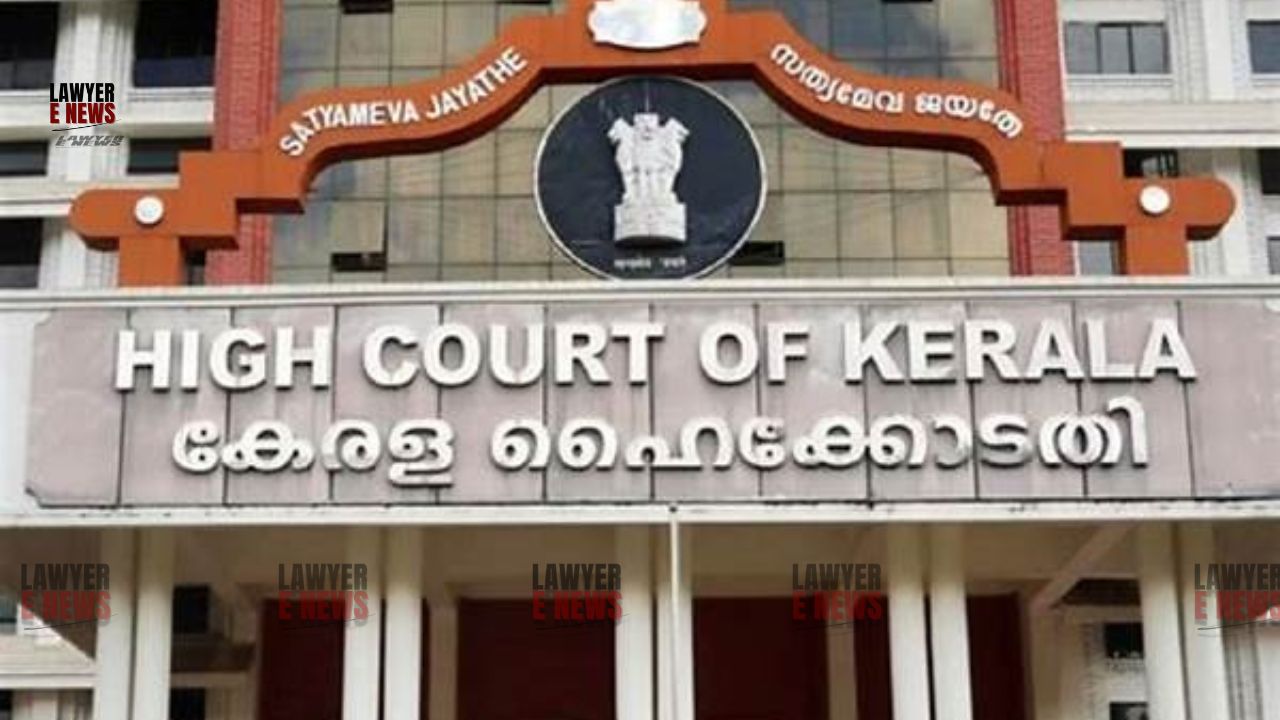
"The challenge in the above regard cannot be taken as a reason to interfere with the order of maintenance passed by the Family Court in favour of the daughter of the party, whose disclosure affidavits were found to be defective." Kerala High Court, in a significant ruling dated September 17, 2026, held that a father's obligation to maintain his minor daughter under Section 125 of the CrPC remains paramount and cannot be absolved due to procedural defects in the disclosure affidavits filed by the mother.
A bench of Justice G. Girish observed that the primary consideration in maintenance proceedings is the welfare and requirements of the minor child, rather than the conduct or procedural compliance of the parents in collateral aspects.
The revision petitioner challenged a Family Court order directing him to pay monthly maintenance of Rs. 15,000 to his minor daughter. The father contended that the maintenance award was improper because the disclosure affidavits submitted by the child's mother were found to be defective by the trial court. Additionally, the father argued that the trial court failed to adequately account for various school fees and educational expenses he had previously paid for the child.
The court was primarily tasked with determining whether a father can avoid or seek a reduction in maintenance payments to his minor daughter based on procedural deficiencies in the mother's disclosure affidavits. Furthermore, the court examined whether previous voluntary payments toward educational expenses warrant a reduction in the quantum of maintenance fixed by the Family Court.
Maintenance Obligation Remains Paramount
The Court firmly rejected the argument that defective disclosure affidavits should invalidate or reduce the maintenance obligation. The bench emphasized that maintenance proceedings are intended to secure the sustenance of the minor, and technical flaws in the mother's affidavits do not supersede the legal duty of the father to provide for his child’s needs.
Court Defines Scope of Maintenance
The Court observed that the trial judge correctly assessed the child's requirements, including substantial school fees, while considering the financial and social background of the parties. The bench noted that the Family Court looked at the relevant parameters in the "right perspective" when arriving at the quantum of Rs. 15,000 per month.
"The production of some receipts pertaining to the years 2019 and 2023 with regard to the payment of school fee, cannot be considered as a reason to deny or reduce the maintenance amount awarded by the Court below."
Accounting for Past Payments
Regarding the father's claim that his voluntary payments for educational expenses should mitigate the maintenance burden, the Court held that these sporadic payments do not justify a reduction in the recurring monthly maintenance amount. The Court clarified that while the father is not entitled to a reduction, he is not precluded from demonstrating his past contributions during the computation of arrears.
Mechanism for Adjusting Arrears
The Court provided a specific procedural direction to the Family Court to ensure equity in the execution of the order. While dismissing the revision petition, the Court ruled that the petitioner may produce evidence of past educational expenses incurred since the date of the maintenance petition for the purpose of adjusting the total amount of arrears due.
The judgment reaffirms that the right of a minor child to receive maintenance is an independent right, shielded from being compromised by disputes over procedural filings or the parental conduct of the custodial parent. The revision petition was accordingly dismissed, with the maintenance order affirmed.
Date of Decision: 17 September 2026