-
by sayum
05 October 2026 9:18 AM







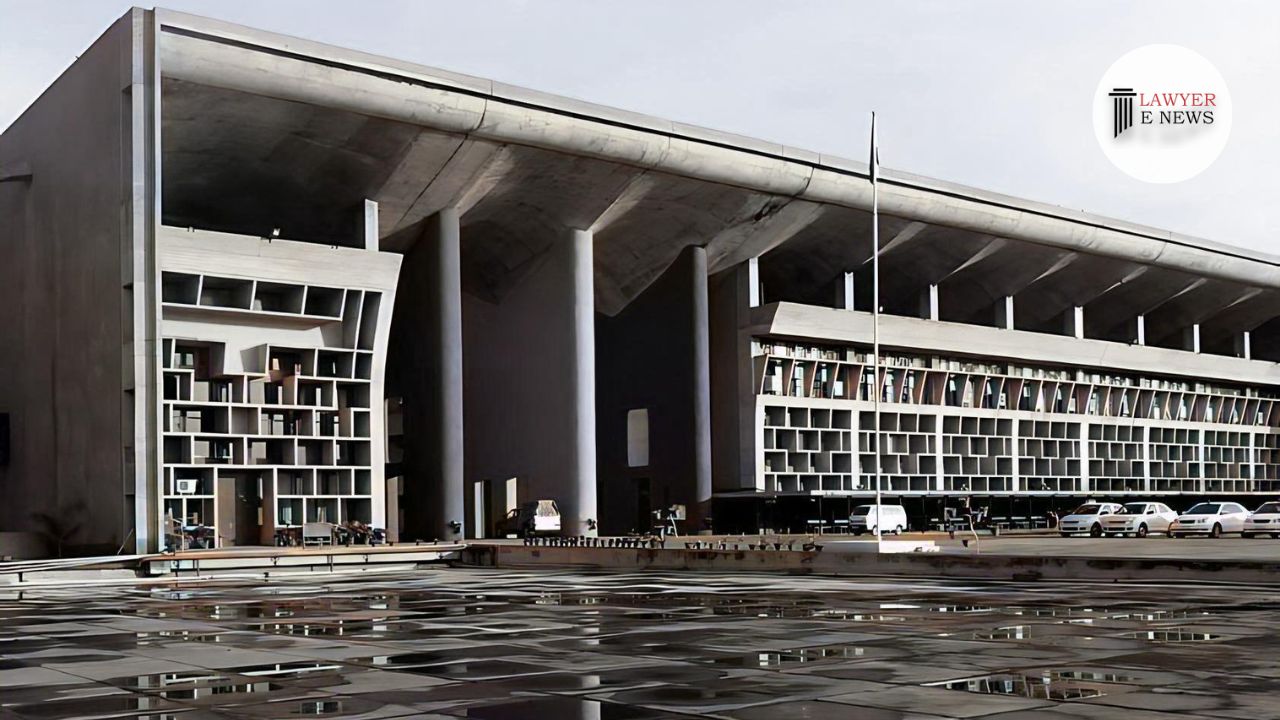
In a significant ruling, the High Court of Punjab and Haryana affirmed the Trial Court’s judgment in a property dispute, highlighting the limited scope of appeal in cases under Section 6 of the Specific Relief Act, 1963. The case, titled "Ajay vs. Atma Ram and Others," saw the High Court dismissing the revision petition filed under Article 227 of the Constitution of India.
The High Court reiterated the principles governing suits filed under Section 6 of the Specific Relief Act. The Court underscored that these proceedings focus primarily on possession rather than title and emphasized the restricted avenue for appeal and review against orders passed under this section.
The dispute revolved around the possession and subsequent dispossession of a property following a suit for partition by the ancestor of the plaintiff-respondents. The Trial Court had decreed the suit, acknowledging the plaintiff-respondents' possession. The defendant-petitioner challenged this decree, claiming ownership based on an agreement to sell dated 17.08.2001.
Justice Alka Sarin, presiding over the case, critically analyzed the sequence of events and the evidence presented. The Court found the defendant-petitioner's claim of ownership unsubstantiated, lacking any sale deed and relying solely on an agreement to sell. Citing precedents from the Supreme Court, including "Sanjay Kumar Pandey & Ors. vs. Gulbahar Sheikh & Ors." and "ITC Ltd. vs. Adarsh Coop. Housing Society Ltd.," the Court reiterated that a suit under Section 6 is a summary procedure focused on possession, not title.
The High Court upheld the Trial Court’s decision, dismissing the revision petition. The Court held that the petitioner failed to demonstrate exceptional circumstances warranting interference under Article 227 of the Constitution of India. The findings of the Trial Court regarding the possession and dispossession of the plaintiff-respondents were affirmed.
Date of Decision: 13.02.2024
Ajay VS Atma Ram and Others