-
by sayum
24 August 2026 3:22 PM







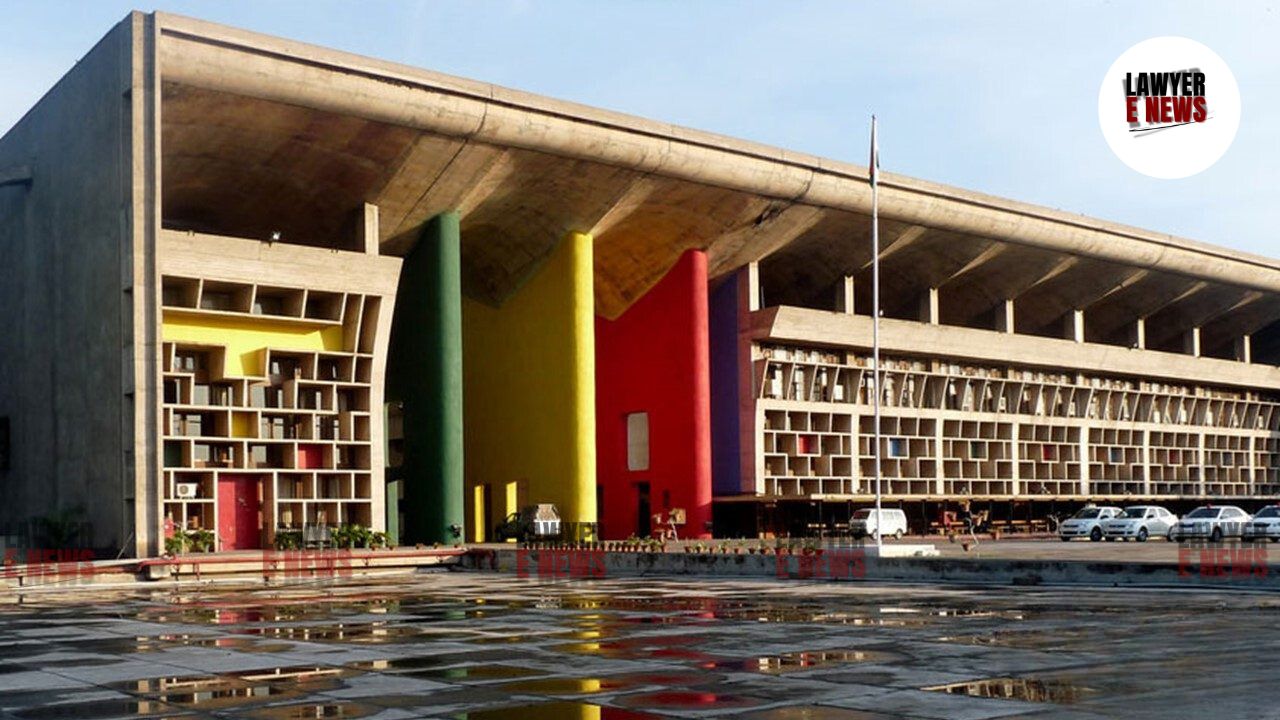
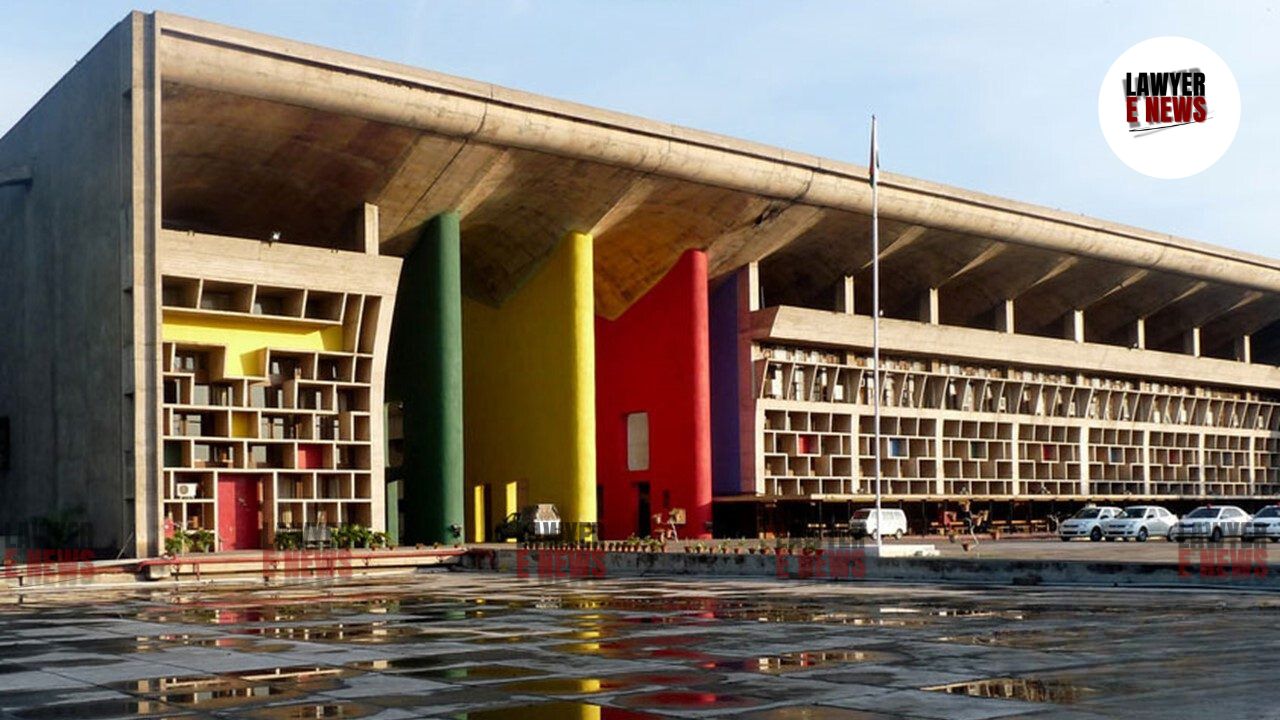
“The Sword of Damocles Cannot Hang Indefinitely Over the Accused”, In a significant ruling underscoring the primacy of personal liberty under Article 21 of the Constitution, the Punjab and Haryana High Court on January 12, 2026, allowed a second bail petition in Deepak Kumar @ Tony v. State of Haryana (CRM-M-67357-2025), where the accused had been incarcerated for over 17 months in a case under the Narcotic Drugs and Psychotropic Substances Act, 1985 involving commercial quantity. Justice Sumeet Goel held that “an individual cannot be kept behind bars for an inordinate period of time by taking refuge in rigours laid down in Section 37 of the NDPS Act, 1985.”
The Court observed that when delay in trial is not attributable to the accused, the constitutional guarantee of a speedy trial must prevail over statutory restrictions, especially where pre-trial detention begins to mirror punitive imprisonment.
“Right to Speedy Trial Begins With Arrest and Lives Through All Stages of Prosecution”: Court Calls Out Systemic Delay in Commercial Quantity NDPS Trials
The FIR in question, registered on July 12, 2024, under Sections 22(c) and 29 of the NDPS Act, pertained to the recovery of 576 capsules (354.96 grams) of Tramadol HCL — categorized as commercial quantity. The petitioner, Deepak Kumar alias Tony, was arrested on the same day and remained in custody for over 1 year and 5 months at the time of this ruling.
The trial, however, had barely moved forward. Of the 18 prosecution witnesses cited, only 3 had been examined, despite the challan being filed in December 2024. The Court observed, “The trial is indeed procrastinating and folly thereof cannot be saddled upon the petitioner.”
Rejecting the State’s opposition to bail based on Section 37 of the NDPS Act, the Court stressed, “While considering a bail petition in a case involving commercial quantity, the Court has to keep in mind the rigours enumerated under Section 37... However, this Court cannot turn Nelson’s eye to the protracted delays and systematic inefficiency that frustrate this legislative purpose.”
Justice Goel further declared, “The guarantee of a speedy trial serves a threefold purpose — it protects the accused against oppressive pretrial imprisonment, relieves the accused of the anxiety and public suspicion due to unresolved criminal charges, and protects against the risk that evidence will be lost or memories dimmed by the passage of time.”
“Second Bail Petition Maintainable When Liberty is at Stake”: Court Finds Substantial Change in Circumstances
The earlier bail application had been dismissed as withdrawn in April 2025, but the Court clarified that a second bail plea is entirely maintainable if there is a substantial change in circumstances.
Drawing strength from its own precedent in Rafiq Khan v. State of Haryana, the Court noted, “Second/successive regular bail petition(s) filed is maintainable in law and hence such petition ought not to be rejected solely on the ground of maintainability thereof… What is required is a substantial, effective and consequential change in circumstances — not a mere superficial or ostensible one.”
Here, the change in circumstance lay in the undeniable fact of prolonged incarceration with no foreseeable conclusion of trial. The Court held, “Suffice to say, further detention of the petitioner as an undertrial is not warranted in the facts and circumstances of the case.”
“Involvement in Other Cases Cannot Override Liberty in the Case at Hand”: Bail Must Be Considered FIR-Wise
While the custody certificate revealed the petitioner’s involvement in other FIRs, the Court decisively rejected the notion that this, by itself, could defeat a legitimate bail claim. Relying on Maulana Mohd. Amir Rashadi v. State of U.P. and other binding precedents, Justice Goel observed, “This factum cannot be a ground sufficient by itself, to decline the concession of regular bail to the appellant in the FIR in question when a case is made out… by ratiocinating upon the facts and circumstances of the said FIR.”
“The Criminal Justice System Must Not Stand Complicit in Violating Fundamental Rights”: Courts Cannot Shirk Responsibility Under Article 21
Delivering a stern reminder to the justice system itself, the Court made a wider comment on systemic failures, stating, “The overcrowded Court dockets, the heavy volume of work and the resultant pressure on the prosecution and the police… cannot be an excuse for keeping the sword of Damocles hanging on the accused for an indefinite period of time.”
In a striking observation drawn from Kulwinder v. State of Punjab and Mohd. Muslim v. State (NCT of Delhi), the Court held, “The right to life and personal liberty cannot be rendered nugatory by unwarranted delays in the judicial process, particularly where such delay is neither attributable to the accused nor justified at the end of the prosecution by cogent reasons.”
It added, “A Court of law is duty-bound to ensure that it does not become complicit in violation of an individual’s fundamental rights, notwithstanding anything contained in a statute.”
Conditional Liberty Over Indefinite Custody: Court Imposes Stringent Safeguards
While granting bail, the Court imposed strict conditions to ensure the integrity of the trial is preserved. These included surrender of passport, regular appearances, prohibition from tampering with evidence, and a monthly affidavit declaring good conduct. The Court gave liberty to the State to move for cancellation of bail if any of these were violated.
In conclusion, the Court clarified, “Nothing said hereinabove shall be construed as an expression of opinion on the merits of the case,” ensuring that the grant of bail does not prejudice the trial.
Justice Sumeet Goel’s order stands as a strong reaffirmation of constitutional liberty in the face of statutory harshness, where trial delays threaten to eclipse the presumption of innocence.
Date of Decision: January 12, 2026