A Will That Silences Legal Heirs Without Cause Cannot Speak the Truth of the Testator’s Intent: Orissa High Court Rejects Solemnity of Registered Will Conviction Can Be Set Aside Even in Non-Compoundable Offences If Parties Settle: Punjab & Haryana High Court Affirms Inherent Power under Section 482 CrPC Mere Absence of Ticket or Station Report Not Fatal to Claim: Bombay High Court Says Railway Claims Can Be Proved by Circumstantial Evidence Judgment of Acquittal Cannot Be Reversed Merely Because A Different View Is Possible, Unless It’s Perverse Or Ignores Material Evidence: Himachal High Court Courts Cannot Reopen Admissions Once Deadline Expires: Orissa High Court Rejects SEBC Nursing Aspirants' Plea Filed Post Cut-Off A Sketchy Allegation of Corrupt Practice Can’t Be Cured Later Through Amendment: Bombay High Court Rejects Election Petition Against Shiv Sena MLA Delay in FIR, If Plausibly Explained, Cannot Vitiate Claim: Madras High Court Enhances Compensation to ₹3.26 Crores for Fatal Accident Involving Pillion Rider Failure to Videograph Search Violates BNSS: Allahabad High Court Grants Bail, Slams Police for Ignoring Procedural Mandates No Customs Duty Without Clear Authority Of Law: Supreme Court Quashes Levy On SEZ Electricity Supplied To Domestic Tariff Area Owner's Admission Cannot Be Brushed Aside to Deny Compensation: Supreme Court Reinstates ₹3.7 Lakh Award to Family of Deceased Driver Benefit Of Doubt Must Prevail Where Eyewitness Testimony Is Infirm And Contradict Medical Evidence: Supreme Court Acquits Double-Murder Convict A Mere Error in Bail Orders Cannot Tarnish a Judge’s Career: Supreme Court Quashes Dismissal of Judicial Officer for Granting Bail under Excise Act Order 1 Rule 10 CPC | A Necessary Party is One Without Whom No Order Can Be Made Effectively: Supreme Court Readiness and Willingness Must Be Proven—Mere Pleading Is Not Enough For Specific Performance: Supreme Court Returning Expired Stamp Papers Is No Refund in Law: Supreme Court Directs State to Pay ₹3.99 Lakhs Despite Limitation under UP Stamp Rules Supreme Court Distinguishes ‘Masterminds’ from ‘Facilitators’: Bail Denied to Umar Khalid & Sharjeel Imam, Granted to Gulfisha Fatima & Others: Supreme Court Jurisdiction of Small Causes Court Under Section 41 Does Not Extinguish Arbitration Clause in Leave and License Agreements: Supreme Court Arbitration Act | Unilateral Appointment Void Ab Initio; Participation in Proceedings Does Not Constitute Waiver: Supreme Court Section 21 Arbitration Act Is Not a Gatekeeper of Jurisdiction: Supreme Court Restores ₹2 Crore Arbitral Award Against Kerala Government

Lack of Credible Evidence Leads to Acquittal in Counter Case – Karnataka High Court Upholds Conviction and Acquittal

07 May 2024 8:19 AM

By: Admin


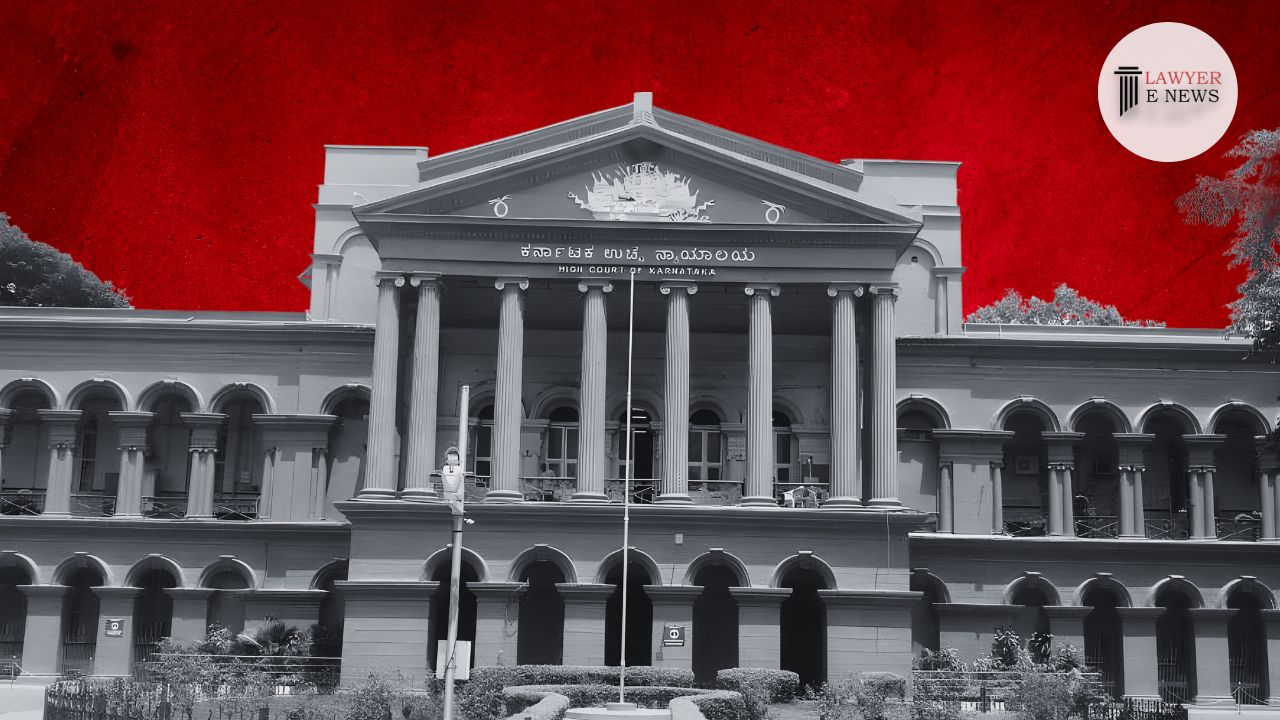
In a significant ruling today, the High Court of Karnataka, presided over by Justice J.M. Khazi, upheld the conviction of S.H. Ramakrishnappa for the assault and attempted murder of Lokesh, and confirmed the acquittal of accused in a counter case, in a judgment that highlights the complexities of legal evidence evaluation in criminal cases.

The convoluted case, which stemmed from a land dispute in Sadahalli village, Bangalore North Taluk, involved two interlinked appeals – Criminal Appeal Nos. 1183 of 2013 and 978 of 2010. The court carefully dissected the incidents of assault that occurred in October 2007, leading to the conviction of S.H. Ramakrishnappa under Section 307 of the Indian Penal Code for a brutal attack on Lokesh using a club.

Justice J.M. Khazi, in the judgment, emphasized the significance of credible evidence in criminal proceedings, stating, “In the light of the overwhelming evidence placed on record by the prosecution, this Court is of the considered opinion that the fact that the blood-stained clothes of injured Lokesh were not seized by the Investigating Officer would not go to the root of the prosecution case.”

In a parallel development, the High Court dismissed the appeal filed by S.R. Nagesh, challenging the acquittal of Lokesh and others in a counter case. The court observed substantial contradictions and lack of evidence against the accused, suggesting that the complaint was filed as a reactionary measure to the initial assault. “Considering the oral and documentary evidence placed on record, the trial Court has come to a correct conclusion that prosecution has failed to prove the allegations against the accused persons in Cr.No.112/2007 and acquitted them,” Justice Khazi noted.

Date of Decision: 13 DECEMBER, 2023

S R NAGESH VS THE STATE OF KARNATAKA

 

Latest Legal News