-
by sayum
24 August 2026 3:22 PM







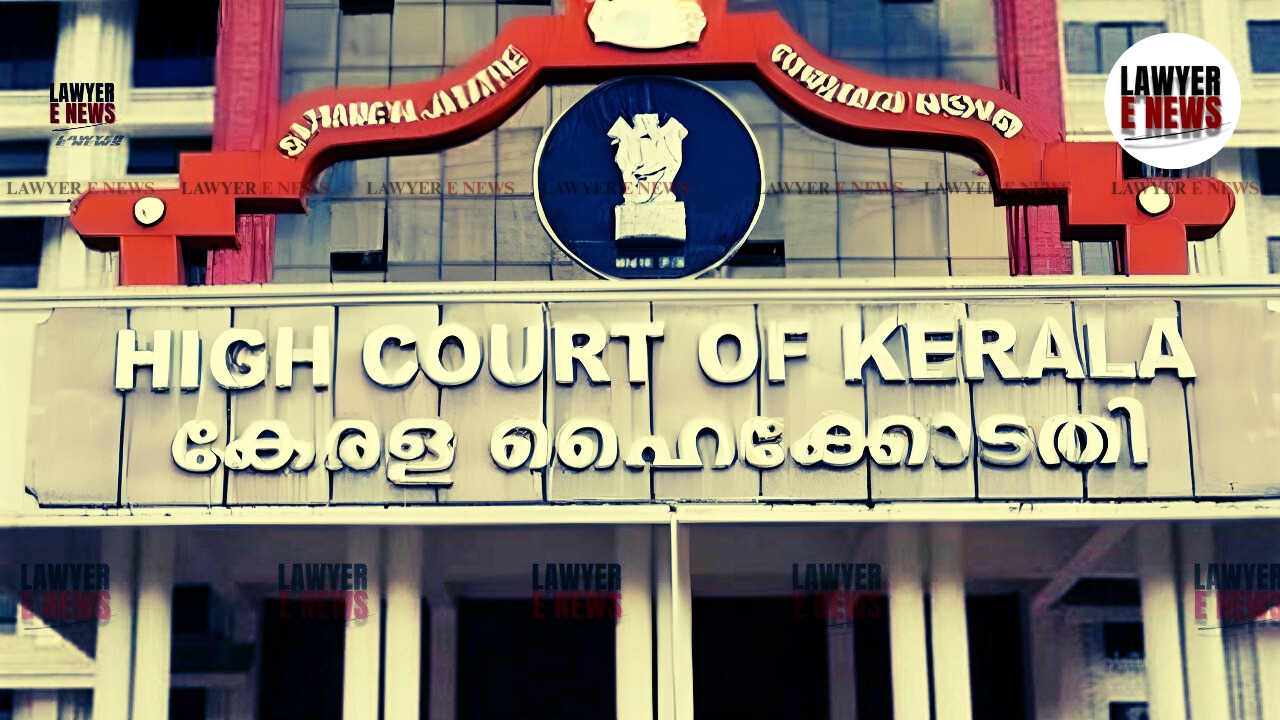
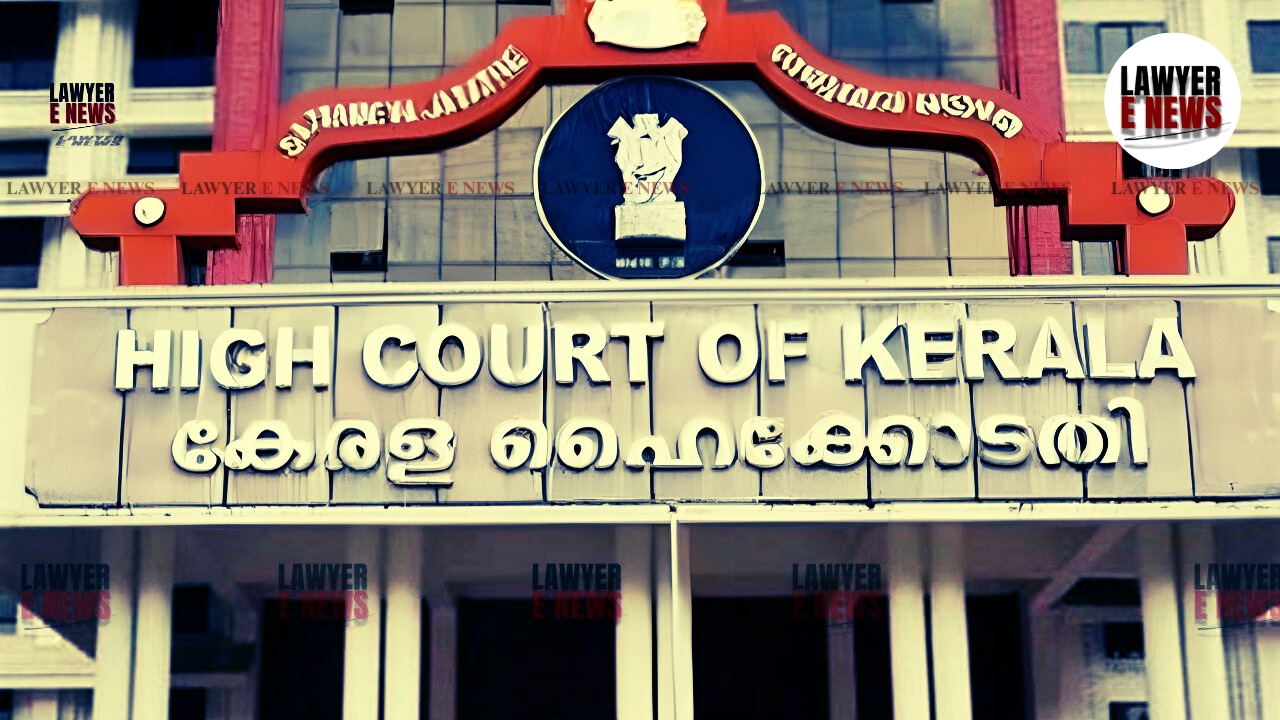
“The Corporation has employed a tortuous method to defy binding judicial directives under the guise of emergency appointments” – In a scathing rebuke of administrative defiance and procedural abuse, the Kerala High Court dismissed a writ appeal filed by the Kerala State Road Transport Corporation (KSRTC), affirming that the Corporation’s continued engagement of empanelled drivers—despite binding judicial directions—was in blatant violation of both statutory provisions and the Constitution's mandate for fair public employment.
The Division Bench comprising Justice Sushrut Arvind Dharmadhikari and Justice P.V. Balakrishnan in Writ Appeal No. 1252 of 2023, upheld the Single Judge’s ruling that quashed Ext.P9 memorandum, which had enabled over 1100 "badali" drivers, many of them previously terminated empanelled staff, to be deployed across KSRTC units.
“Even after termination of the empanelled drivers as per the orders of this Court, by adopting a tortuous method, the KSRTC is engaging the same persons continuously,” the Court observed in unambiguous terms.
“No Emergency, No Intention to Fill Vacancies – Rule 9(a)(i) Cannot Be Misused to Bypass PSC”
At the heart of the controversy was KSRTC’s invocation of Rule 9(a)(i) of Part II of the Kerala State and Subordinate Services Rules, 1958, which permits temporary appointments in public interest only in emergencies and when undue delay in regular recruitment is inevitable.
The Court, however, held that KSRTC’s claim of emergency was a facade. Not only were 2455 vacancies reported to the PSC as early as 2015 never filled, but KSRTC had also willfully refrained from taking any steps toward fresh PSC recruitment, thus manufacturing a situation of perpetual “emergency”.
“After taking a decision not to fill up regular vacancies, the appellants cannot seek the benefit of Rule 9(a)(i)… Exts.P6 and P9 are ultra vires the Rules,” the judgment declared.
“Deliberate Disobedience of Judicial Orders – From Antony Stejo to Venugopal, Nothing Has Changed”
The Court highlighted the continued defiance of earlier binding judgments, particularly:
Despite undertakings filed by KSRTC in contempt proceedings to desist from such practices, the Court found that the Corporation had re-engaged over 900 terminated empanelled drivers under the camouflage of new daily-wage recruitments, facilitated through Exts.P6 and P9.
“Such conduct reflects a deliberate subversion of court orders… KSRTC cannot be allowed to perpetuate illegality by administrative cleverness,” the Court held.
“Locus Standi Established – Public Interest and Personal Right Intertwined”
KSRTC argued that the writ petitioner, K.K. Prasanth, lacked locus as the 2012 PSC rank list had expired. The Court rejected this argument.
It held that the petitioner was not only one of the candidates eligible for the 2455 vacancies reported to PSC before the list expired, but was also prejudiced by KSRTC’s refusal to act on the reported vacancies. Moreover, Ext.P6 itself gave preference to candidates from the expired list, making the petitioner directly affected.
“The 1st respondent has the right to bring to the Court’s attention the blatant violation of binding judgments,” the Bench noted, emphasizing that constitutional fidelity to judicial pronouncements cannot be overrun by administrative convenience.
Rule of Law Must Prevail Over Administrative Expediency
The High Court's judgment is a clear assertion that public employment cannot be controlled by departmental policy or political expediency, especially when judicial directives exist to the contrary. The KSRTC's practice of re-engaging empanelled drivers via backdoor mechanisms was not only condemned but deemed illegal, contemptuous, and ultra vires the KS & SSR Rules.
The Court dismissed the appeal, confirmed the Single Judge’s directions, and unequivocally restrained the KSRTC from continuing any such arrangements under Exts.P6 and P9.
“KSRTC shall not operate with empanelled drivers when those in the ranked list of the PSC are eager and willing to join duty... The Corporation has acted in conscious disregard of the law repeatedly,” the Court sternly cautioned.
Date of Decision: 16 January 2026