-
by sayum
01 August 2026 2:00 PM







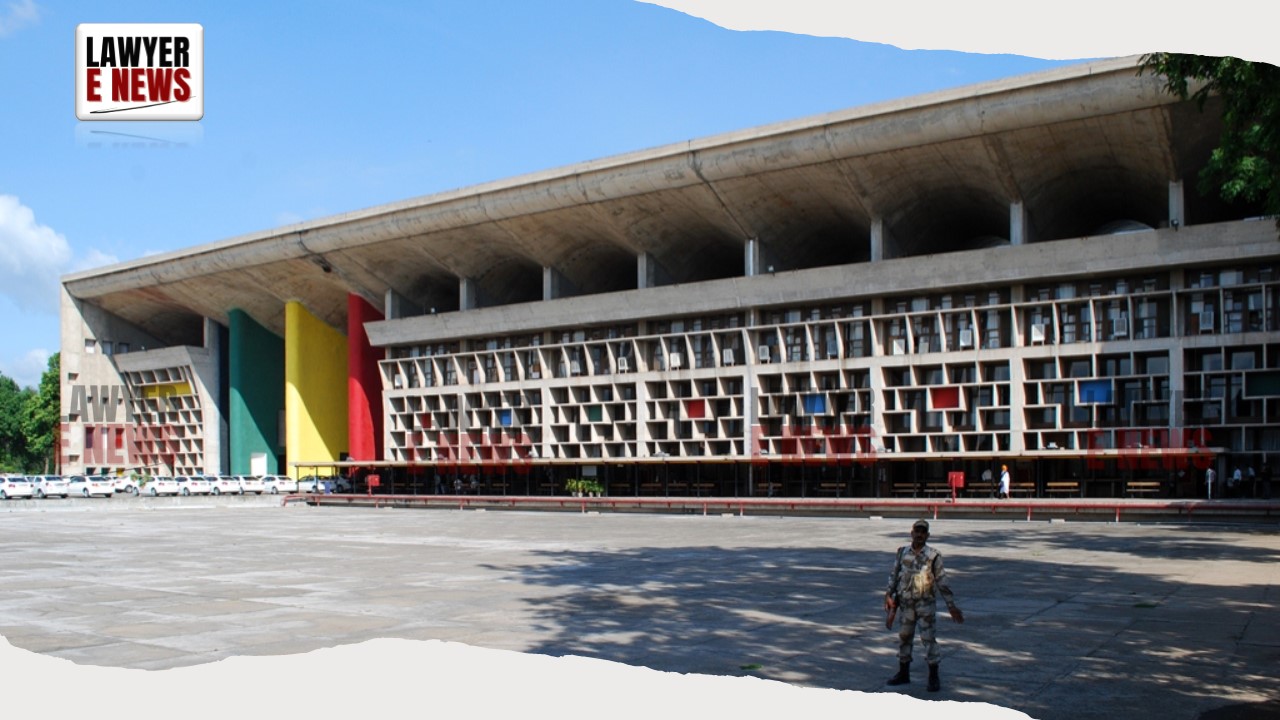
High Court of Punjab and Haryana Dismisses Appeal, Emphasizes Need for Substantial Evidence in Land Revenue Dispute
In a significant judgment, the High Court of Punjab and Haryana at Chandigarh dismissed the appeals filed by the State challenging the lower appellate court’s decision in favor of Harbans Singh, represented posthumously through his legal representatives. The court emphasized the necessity of concrete evidence to substantiate claims in land revenue disputes, reaffirming the appellate court's ruling that mere entries in revenue records (Khatauni Mal) are insufficient to establish liability.
The dispute centers around Harbans Singh, appointed as Sarbrah Lambardar of Mehmal Throta village in 1972, who was alleged to owe irrigation dues amounting to Rs. 1,00,000 and Rs. 24,000 in two civil suits filed in 1989. The plaintiff-respondent claimed regular deposits of the due amounts, contradicting the State's assertion of an outstanding Rs. 82,559.84. The trial court dismissed Singh's suits, leading to his appeal, which was subsequently upheld by the appellate court.
Credibility of Evidence: The appellate court scrutinized the evidence presented by the State, primarily the Khatauni Mal, which listed the alleged dues. The court highlighted the inadequacy of this record, noting it failed to demonstrate that Singh had collected and failed to deposit the dues. The High Court echoed this sentiment, emphasizing that "Khatauni Mal figures alone cannot establish liability without corroborative evidence of actual collection and default."
Lack of Substantive Evidence: The High Court underscored the absence of substantive evidence from the State, including any documentation or complaints from landholders indicating non-deposit by Singh. The court remarked, "It is imperative for the State to provide tangible evidence, beyond Khatauni Mal, to prove the alleged non-deposit of collected amounts."
Justice Alka Sarin, delivering the judgment, reiterated the necessity for a rigorous evidentiary standard in civil disputes involving financial claims. The judgment noted, "The failure to present corroborative evidence beyond Khatauni Mal renders the State's claims unsubstantiated."
"The learned trial Judge has taken a wrong view by holding that the plaintiff was a defaulter based solely on Khatauni Mal. Without additional proof of collection and non-deposit, this approach is fallacious," stated Justice Sarin, emphasizing the importance of comprehensive evidence in judicial determinations.
The High Court's decision to uphold the appellate court's judgment marks a pivotal reinforcement of evidentiary standards in civil disputes. By dismissing the State's appeal, the court highlighted the critical need for substantial proof in claims of financial default, setting a precedent for future cases involving land revenue and administrative allegations.
Date of Decision: April 19, 2024