-
by sayum
24 August 2026 3:22 PM







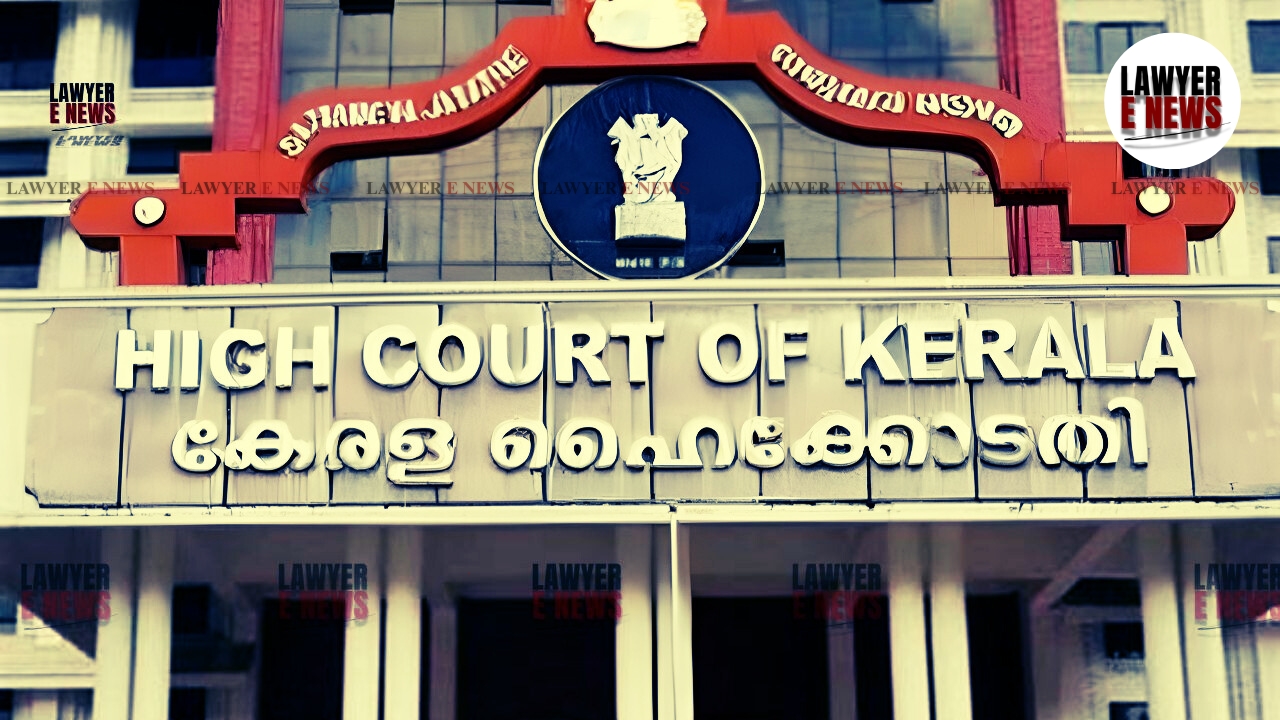
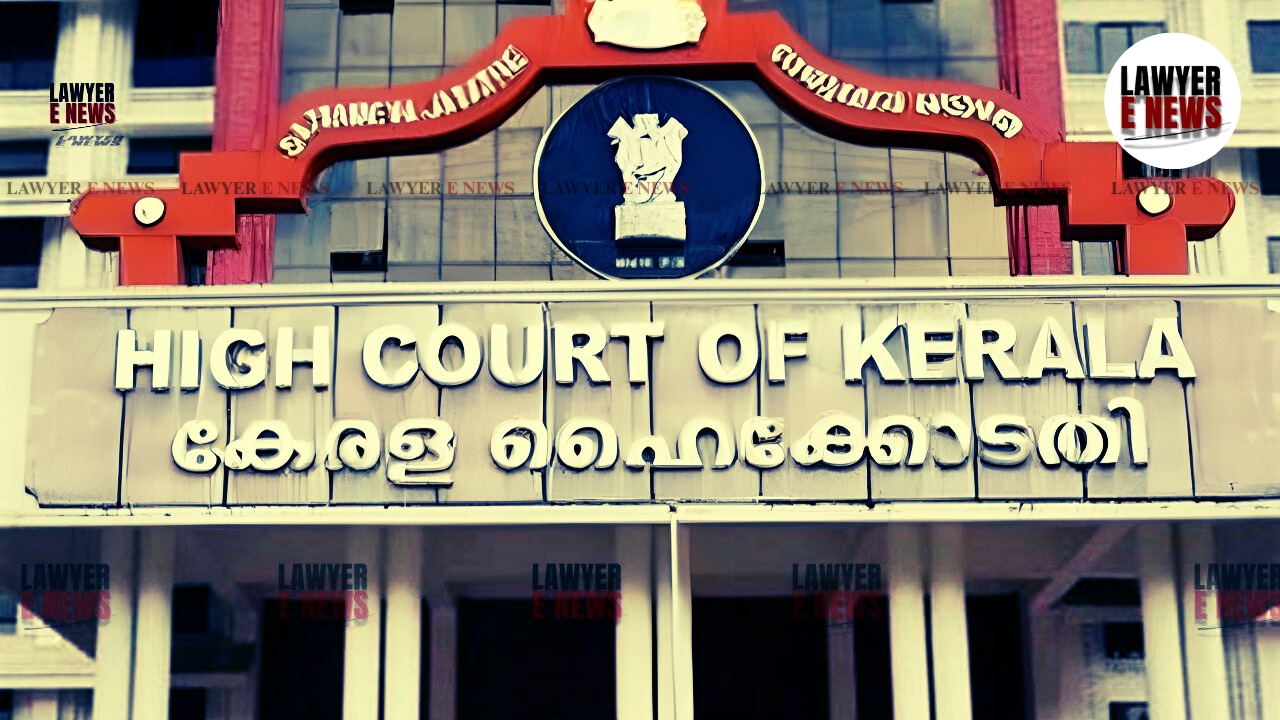
“The High Court in Section 57 Means That High Court — Not Any High Court”: In a significant reaffirmation of the jurisdictional framework under the Trade Marks Act, 1999, the Kerala High Court on 26 November 2025 ruled that it has no jurisdiction to entertain a rectification petition under Section 57 when the impugned trademark registration was granted by the Mumbai Trade Marks Registry. The Court dismissed the Special Jurisdiction Case No. 1 of 2025, filed by T.T. Salads and Grill LLP, seeking rectification of Trademark Certificate No. 3461880, registered in Class 43 by the Registrar of Trade Marks, Mumbai.
Justice S. Manu, authoring the judgment, unequivocally held: “It is the High Court that exercises appellate jurisdiction over the Trade Marks Registry where the trademark is registered, alone [that] has jurisdiction to entertain the Rectification Petitions with respect to such trade mark under Sections 47 or 57 of the Act.”
The Court followed its own earlier decision in PAS Agro Foods v. KRBL Ltd., 2025 KHC 1126, and the well-reasoned judgment of the Madras High Court in Woltop India Pvt. Ltd. v. Union of India, 2025 SCC OnLine Mad 9347, to conclude that rectification jurisdiction is not general or territorial in nature, but registry-specific.
“Legislative Use of the Definite Article ‘The’ in Sections 47 and 57 Is Intentional and Restrictive”
The heart of the Court’s reasoning lies in the interpretation of the phrase “the High Court” used in Sections 47 and 57 of the Trade Marks Act, 1999, as contrasted with the generic “a High Court” used elsewhere. The Court noted:
“The use of the definite article ‘the’ both in Sections 47 and 57 underscores Parliament’s intention to confer such jurisdiction on a particular High Court, and not any High Court generally. This cannot be ignored or diluted by judicial creativity.”
It also endorsed the Madras High Court’s analysis that jurisdiction is linked to the specific Trade Marks Registry where the original registration was granted — namely, Mumbai, Delhi, Kolkata, Chennai, or Ahmedabad — and that each of these is tied to a corresponding High Court exercising appellate powers.
Kerala HC Rejects “Dynamic Effect” Argument: Says It Leads to “Jurisdictional Chaos”
The petitioner had urged the Court to adopt a more expansive interpretation of jurisdiction, arguing that the rectification remedy should be available in any High Court where the dynamic effect of the trademark is felt — especially when conflicting trademarks are registered across different registries. Counsel contended that “such situations may rarely occur, but they are possible and within the contemplation of the statute.”
However, the Court was unpersuaded. It held:
“Any other interpretation would invite the filing of multiple rectification petitions with respect to the same trademark before several High Courts, and there is every chance of different High Courts passing conflicting orders.”
The Court reasoned that such a scenario would defeat the very scheme of the Act, which is designed to consolidate all rectification proceedings before the appropriate forum, thereby ensuring legal certainty and administrative coherence.
Rules 4 and 5 of Trade Marks Rules Reinforce Registry-Specific Jurisdiction
Justice Manu also relied upon Rules 4 and 5 of the Trade Marks Rules, 2017, which determine the appropriate office of the Trade Marks Registry based on the principal place of business of the registered proprietor, and explicitly state that jurisdiction is not altered by any subsequent change of address.
“Rule 4 points to the Registrar linked to the location of the principal place of business entered in the Register,” the Court observed. “Rule 5 makes it clear that even if the registered proprietor shifts the place of business, the jurisdiction of the original registry remains intact for rectification purposes.”
Court Upholds the Binding Value of PAS Agro Foods and Woltop India Judgments
In rejecting the petitioner’s contention that PAS Agro Foods requires reconsideration, the Court held that both its own prior judgment and the decision of the Madras High Court in Woltop India Pvt. Ltd. remain binding and legally correct. The Court explicitly stated:
“I do not find any reason to take a different view… The Madras High Court has analysed the provisions of the Act in an erudite manner… The learned Single Judge of this Court agreed with the reasoning and followed it in PAS Agro Foods. I respectfully reaffirm that view.”
Special Jurisdiction Case Dismissed; Petitioner Directed to Approach Proper Forum
Concluding that it lacked jurisdiction under Section 57 of the Trade Marks Act, the Kerala High Court dismissed the Special Jurisdiction Case. However, it clarified that this dismissal does not preclude the petitioner from pursuing rectification before the Bombay High Court, which exercises jurisdiction over the Mumbai Trade Marks Registry, where the trademark in question — Trademark Certificate No. 3461880 in Class 43 — was originally registered.
Justice Manu closed the judgment with the observation:
“Given the discussion above, I hold that this Special Jurisdiction Case is not maintainable and hence it is rejected. However, rejection of this case would not hinder the petitioner from prosecuting the matter before any appropriate authority or court.”
Date of Decision: 26 November 2025