-
by sayum
27 July 2026 10:58 AM







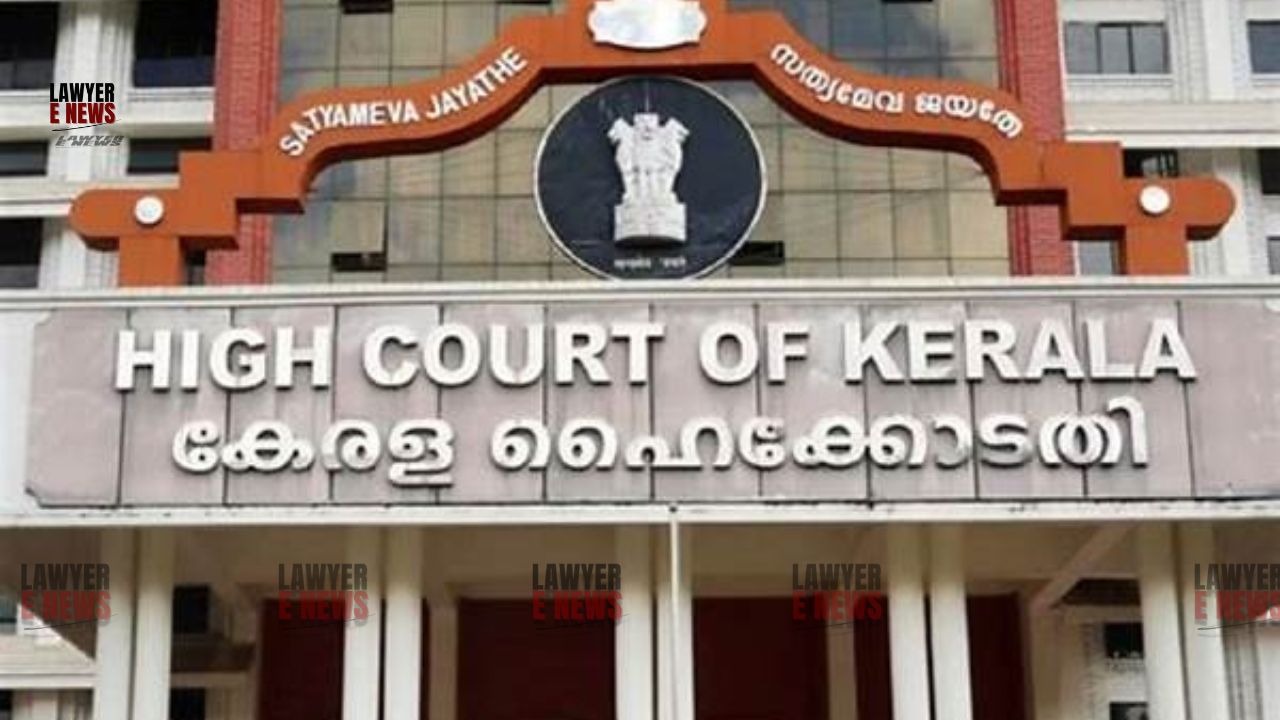
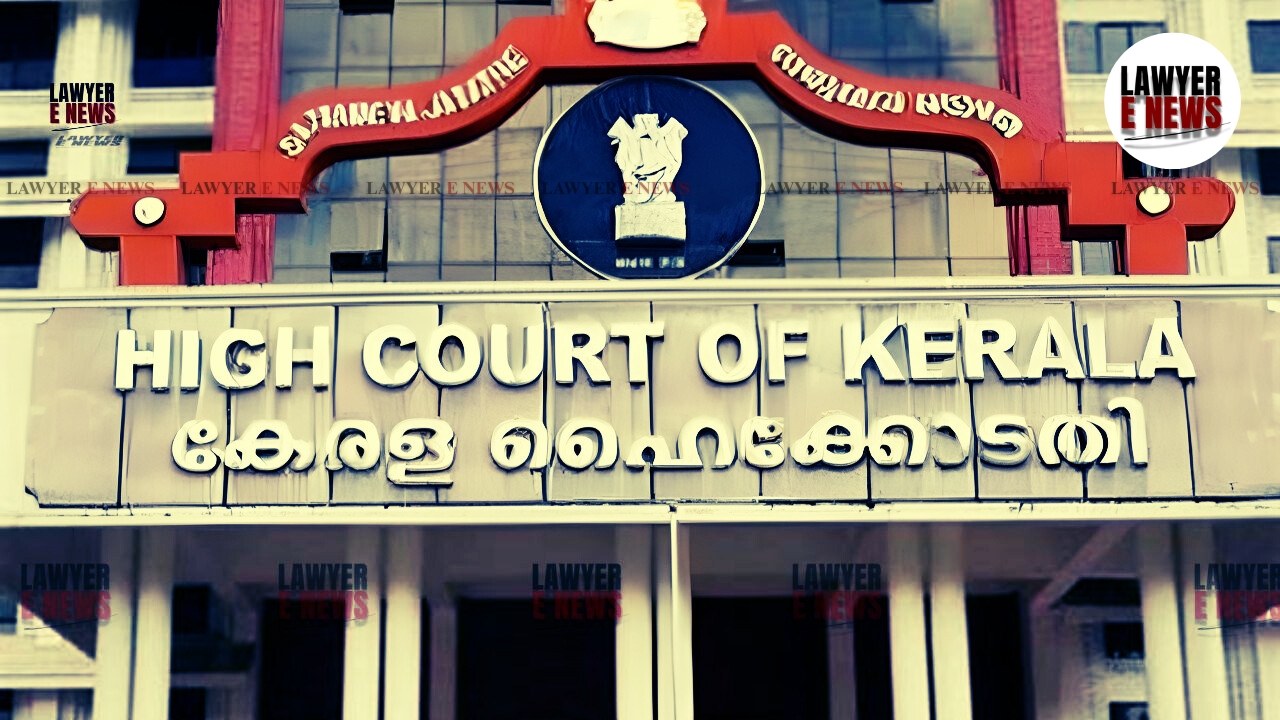
Intermediaries Cannot Adjudicate Defamation Claims Without Court Orders - Kerala High Court dismissed a writ petition filed by Aneesh K. Thankachan seeking the removal of a defamatory YouTube video allegedly targeting the Marthoma community and its Rev. Bishop. The Court held that intermediaries like YouTube are exempt from liability under Section 79 of the Information Technology Act, 2000, unless there is "actual knowledge" of unlawful content through a competent Court order or government notification.
The Court reiterated the principles laid down by the Supreme Court in Shreya Singhal v. Union of India [(2015) 5 SCC 1], observing that intermediaries cannot decide on the legality of content and can only act on Court directives or government notifications under Sections 69A and 79 of the IT Act.
The petitioner filed a writ petition under Article 226 of the Constitution, alleging that a video uploaded on YouTube was defamatory and scandalous, aiming to insult the Marthoma community and create divisions among its members. The petitioner relied on provisions under the IT Act and corresponding rules, seeking the following reliefs:
Removal of the objectionable video from YouTube.
Directions to intermediaries like YouTube to regulate and curate such defamatory content.
Prosecution of complaints under the 2009 Blocking Rules and consideration of complaints under the 2021 Intermediary Rules.
In response, YouTube (Respondent No. 7) rejected the petitioner’s request for removal of the content via email (Ext. P5), stating that they could not adjudicate the veracity of the allegations in the absence of a Court order.
The Court held that Section 69A empowers the Central Government to block content only in cases affecting sovereignty, integrity, security, or public order under Article 19(2) of the Constitution. Since the petitioner merely alleged defamation, without any connection to these grounds, the case did not fall within the ambit of Section 69A.
The judgment emphasized: “Blocking under Section 69A can only be resorted to for reasons affecting sovereignty and integrity of India, security of the State, or public order. Defamation alone does not justify invoking these provisions.”
The Court clarified that intermediaries like YouTube are protected from liability under Section 79 of the IT Act, as long as they observe due diligence and act upon Court orders or government notifications. It relied on Shreya Singhal, which interpreted "actual knowledge" under Section 79(3)(b) to mean "knowledge of a Court order."
The Court stated: "Intermediaries are not adjudicators of content legitimacy. Their role is to comply with Court orders or government notifications. Without such orders, the exemption under Section 79 applies."
The Court further noted that requiring intermediaries to independently evaluate defamation claims would impose an unmanageable burden, as intermediaries deal with millions of content requests daily.
The Court found that the petitioner failed to provide evidence showing that the video fell within the grounds for blocking under Section 69A or violated the conditions for intermediary liability under Section 79. The absence of a Court order or government notification rendered the petitioner’s claims untenable.
The Court observed: “Without an adjudication by a Court of competent jurisdiction declaring the material as defamatory or unlawful, intermediaries cannot be compelled to act.”
The Court relied extensively on the Supreme Court’s landmark decision in Shreya Singhal v. Union of India, which struck down Section 66A of the IT Act for being vague but upheld the constitutional validity of Sections 69A and 79 with safeguards. The High Court quoted:
“The intermediary applying its own mind to whether information should or should not be blocked is noticeably absent in Section 69A read with 2009 Rules.”
It also noted that intermediaries cannot block content based on mere allegations, as such a practice would conflict with the safeguards provided under the IT Act.
Dismissing the writ petition, the Court concluded:
Section 69A: The content did not affect sovereignty, security, or public order, and thus, did not fall within the scope of Section 69A.
Section 79: Intermediaries were not liable in the absence of a Court order notifying actual knowledge of the content's unlawfulness.
Ext. P5 Communication: YouTube’s refusal to remove the video was justified under its statutory limitations as an intermediary.
The Court remarked: "The direction sought against the respondents for removal of the alleged objectionable video cannot be granted so long as there is no order from a Court finding the material defamatory. Mere allegations of defamation do not suffice."
The Kerala High Court’s decision underscores the principle that intermediaries like YouTube cannot be forced to remove content based solely on allegations. By upholding the statutory framework of Sections 69A and 79 of the IT Act, the judgment reinforces the procedural safeguards necessary to balance freedom of speech with content regulation.
The petitioner’s failure to establish grounds for blocking or intermediary liability ultimately led to the dismissal of the petition. The judgment also reiterates the limited obligations of intermediaries under the IT Act, as clarified in Shreya Singhal, protecting them from being arbiters of content legality.
Date of decision: December 3, 2024