-
by sayum
24 August 2026 3:22 PM







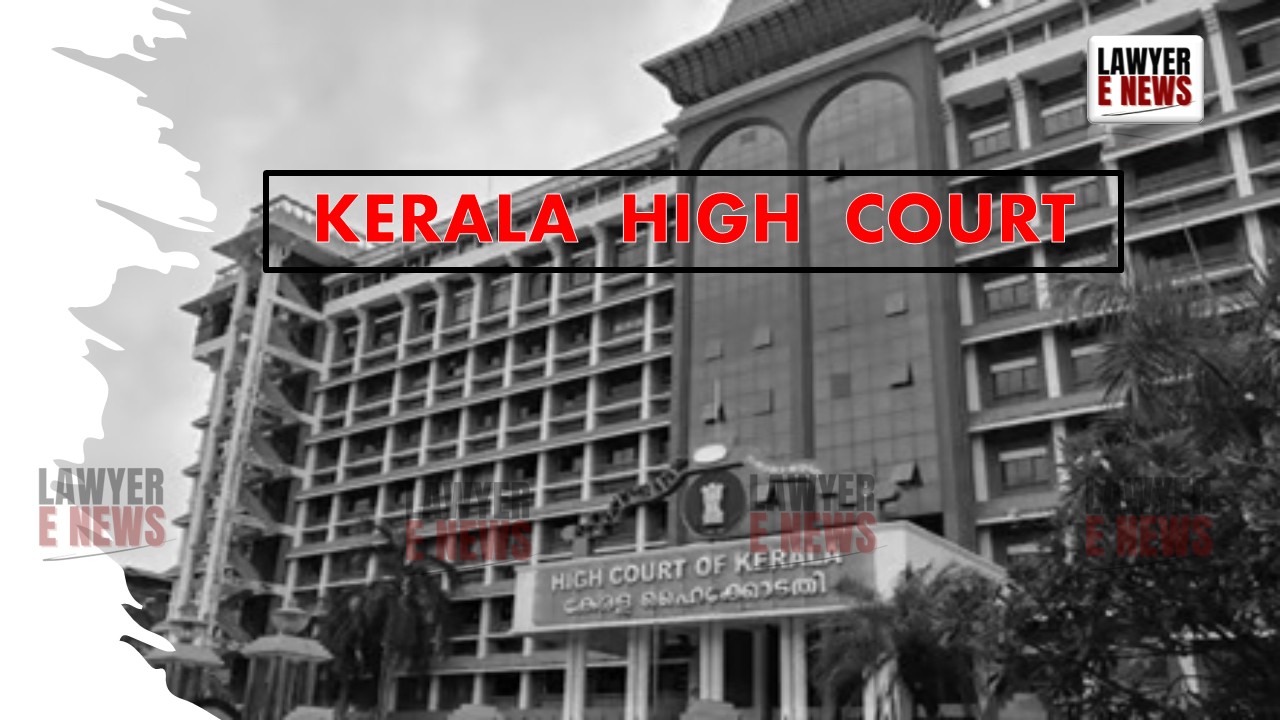
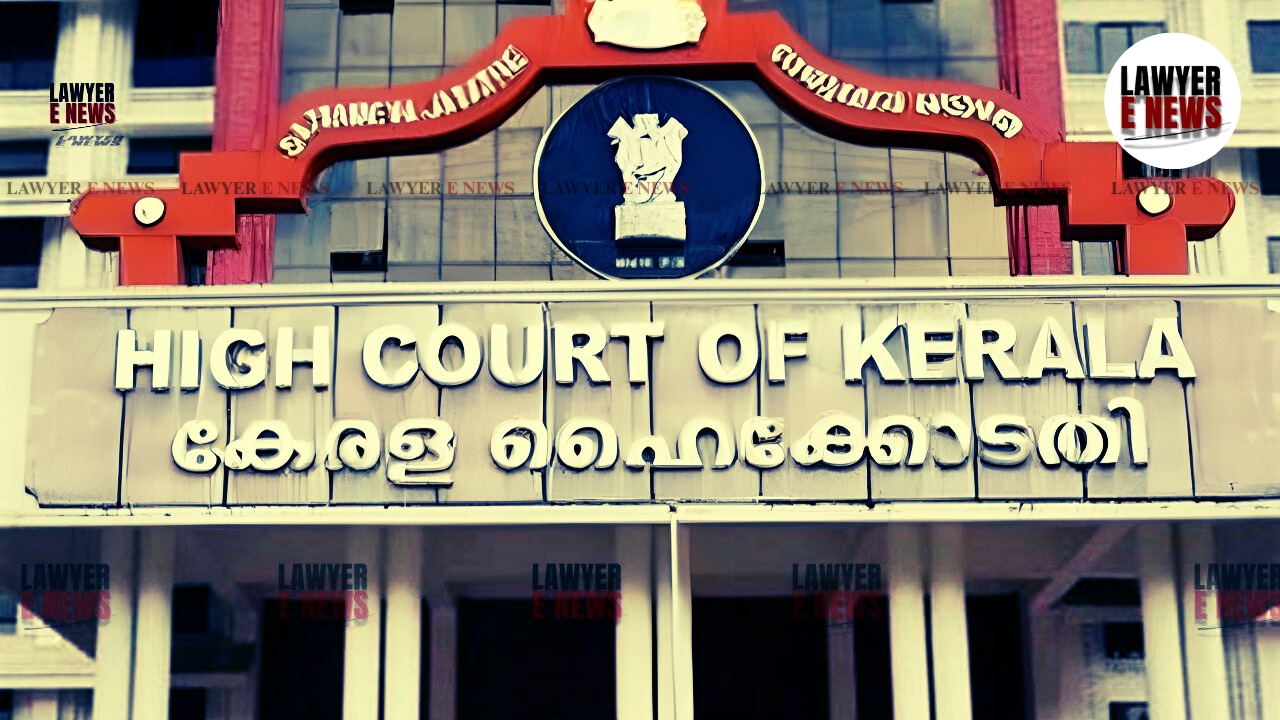
“Non-consideration of Article 147 of KVS Code vitiates adjudication” – Kerala High Court allowed a set of writ appeals filed by Kendriya Vidyalaya Sangathan and Union of India, setting aside a common judgment dated 25.07.2025 passed by a learned Single Judge, which had allowed various Parents Associations to continue occupying school premises and plying buses in the name of the schools.
The Division Bench comprising Justice Anil K. Narendran and Justice Muralee Krishna S. held that the Single Judge’s decision was rendered without due consideration of the statutory framework, particularly Article 147 of the Kendriya Vidyalaya Sangathan (KVS) Education Code, which governs the constitution, objectives, and limitations of Parent Teacher Associations (PTAs) in Kendriya Vidyalayas.
The Court remanded the matter for fresh adjudication while preserving a temporary status quo for ten days to enable the petitioners to seek appropriate interim reliefs before the Single Judge.
High Court Criticises Failure to Consider Article 147 Governing PTA Structure and Powers
The central legal issue in the appeal was whether the impugned PTAs and Parent Welfare Associations, claiming to represent Kendriya Vidyalayas at Kanjikode West, Ernakulam and Port Trust Kochi, had any statutory right to (i) occupy rooms within the school premises, and (ii) operate transport services (school buses) using the name of the Kendriya Vidyalaya without prior approval.
The Division Bench observed: “The judgment of the learned Single Judge was passed without referring to any statutory provision. Article 147 of the Education Code of Kendriya Vidyalaya Sangathan governs the very constitution and functioning of Parent Teacher Associations. The judgment suffers from non-consideration of this essential framework.”
Quoting extensively from Article 147, the Court highlighted that:
Every Kendriya Vidyalaya must have a PTA comprising all parents and the teaching staff;
The Principal is the ex officio Chairman;
PTAs are prohibited from collecting or maintaining funds;
PTAs must act strictly within their enumerated objectives, such as promoting cooperation and improving educational programmes—not for commercial or administrative activities like running transport.
The Bench observed: “Prima facie, the petitioner Associations are not constituted as provided under Article 147... and their activities are not in accordance with the aforementioned provisions.”
Transport Operations and Use of School Name: No Legal Authority Demonstrated
One of the contentious issues was the right of the Associations to operate school buses bearing the name "Kendriya Vidyalaya" or "Teacher", and park them within the campus. Principals of the concerned schools had issued eviction notices and directions to remove the name from buses, citing policy violations.
The High Court noted that during the hearing: “The learned counsel for the writ petitioners could not point out any statutory provision that permits them to occupy the school premises or to ply vehicles in the name of the school or PTA.”
Despite some of the Associations expressing willingness to remove the name of the school from the buses and confirming that vehicles were parked outside the school in certain cases, the Court made it clear that the larger question of legal authority and statutory compliance remained unanswered and required determination by the Single Judge on remand.
Administrative Law: Judgment Without Reference to Law Cannot Be Sustained
The Division Bench reiterated a fundamental principle of administrative and constitutional adjudication: “An adjudication which ignores relevant statutory framework is unsustainable. The learned Single Judge has rendered a decision without reference to Article 147 or any other governing legal provision.”
Accordingly, the Court held that the matter could not have been finally decided without evaluating the statutory boundaries imposed on PTAs and their role in school administration.
Balancing Legal Compliance with Student Welfare: Court Grants Breathing Space
The Court acknowledged the concern raised by the Associations regarding student hardship, particularly for children from distant areas and disadvantaged backgrounds who rely on PTA-operated buses. However, it held that this concern alone cannot override legal requirements.
In view of ongoing transport operations and student dependency, the Court directed: “To provide breathing time to the writ petitioners to seek appropriate interim orders, parties are directed to maintain status quo as of today in respect of plying of buses and unboarding of students, for a period of ten days.”
This direction was intended to avoid abrupt disruption of student transport facilities while the issue is reconsidered in accordance with law.
The High Court allowed the writ appeals filed by Kendriya Vidyalaya authorities and quashed the common judgment dated 25.07.2025. The original writ petitions were remanded for fresh consideration by the Single Judge, particularly in light of:
Article 147 of the KVS Education Code;
The Right of Children to Free and Compulsory Education Act, 2009;
Any other relevant statutory provisions governing PTA functioning, school administration, and student welfare.
The Court explicitly refrained from expressing any opinion on factual disputes or final legal conclusions, preserving them for reconsideration in the remanded proceedings.
This judgment stands as a reaffirmation that well-meaning welfare activities must be grounded in statutory compliance. While the Court empathised with the needs of students, it emphasised that PTAs are creatures of statute, whose operations must strictly adhere to their legally defined scope.
The ruling sends a clear message to Parent Welfare Associations in government-run institutions like Kendriya Vidyalayas: mere benevolence does not confer legitimacy unless the association conforms to its legal mandate.
Date of Decision: 22 January 2026