-
by sayum
07 October 2026 11:43 PM







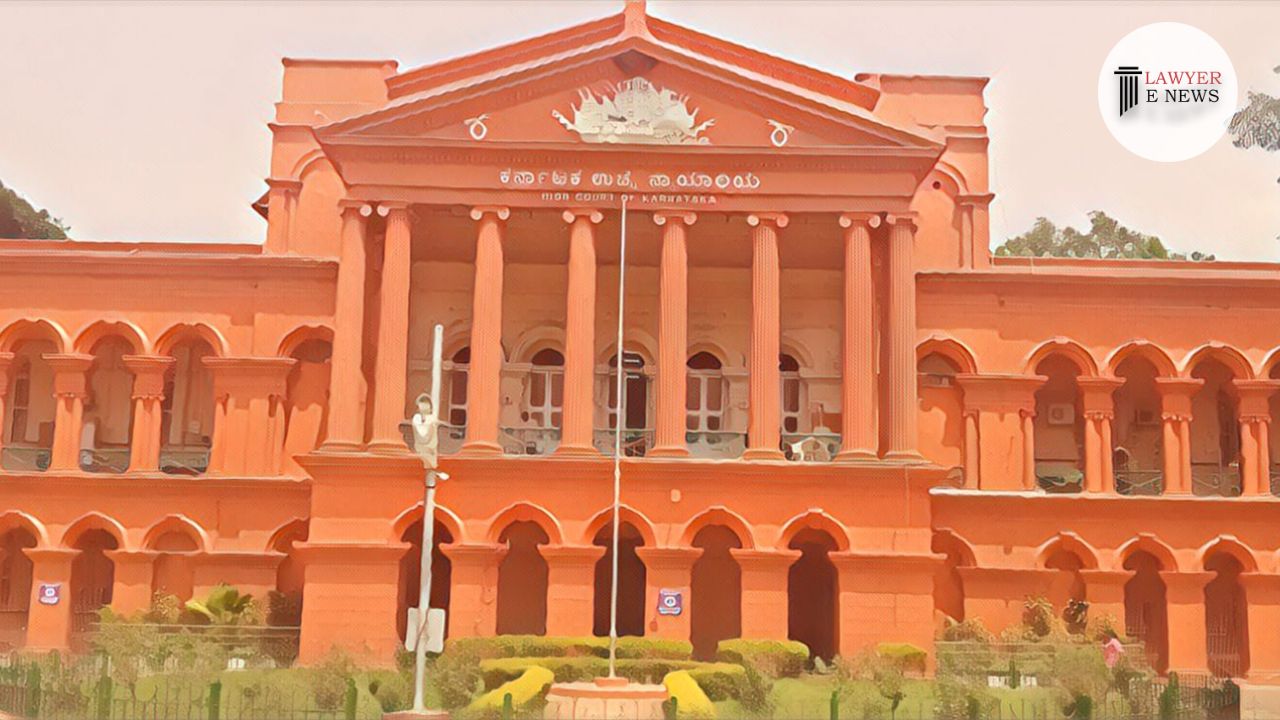
High Court Stays Single Judge’s Order Permitting Racing Amid Pending Criminal Charges Against Club Officials
The High Court of Karnataka, in a significant ruling, has stayed an interim order that permitted the Bengaluru Turf Club (BTC) to conduct horse racing and betting activities despite the rejection of their license applications by state authorities. The appellate court, led by Chief Justice and Justice KVAJ, emphasized the serious nature of pending criminal proceedings against BTC officials and underscored the discretionary power of licensing authorities under the Karnataka Race Course Licensing Act, 1952.
The State of Karnataka challenged an interim order issued by a Single Judge, which allowed the BTC to continue horse racing and betting activities despite the rejection of their license applications. The rejection was based on pending criminal proceedings against BTC officials for alleged illegal betting activities. The High Court has now set aside the interim relief granted by the Single Judge, effectively prohibiting BTC from conducting these activities until the main petition is resolved.
The High Court noted the gravity of the allegations against BTC officials, including charges under Sections 406, 409, 420, 120B of the IPC, and Sections 78(1)(a)(i), 78(2) of the Karnataka Police Act. “The pending criminal cases against the top office bearers of the Club raise serious concerns about the legitimacy of granting a license for horse racing and betting,” the bench observed.
The court emphasized the discretionary power of the licensing authority as provided under Section 4 of the Karnataka Race Course Licensing Act, 1952. “Granting or refusing a license lies within the discretionary realm of the authorities, and the refusal in this case was based on valid considerations,” the court stated.
Addressing the nature of the interim order, the High Court highlighted that the Single Judge’s interim relief effectively granted the final relief sought in the petition, which is not permissible. “The interim order allowing BTC to conduct racing activities rendered the main relief sought in the petition redundant,” the bench remarked.
The High Court detailed the principles of administrative discretion and the impact of criminal proceedings on licensing decisions. It reiterated that licensing authorities must exercise their discretion judiciously, especially when there are serious allegations against applicants. “The discretion to refuse the license was exercised based on relevant and germane factors, including pending criminal charges and allegations of illegal activities,” the judgment read.
Chief Justice [Name] observed, “In refusing the license, the competent authority acted within its discretion and based on serious concerns about illegal activities and pending criminal charges against the Club’s office bearers.”
“The order of the Single Judge, in granting interim relief, effectively bypassed the discretionary authority vested in the licensing body by the statutory provisions.”
The Karnataka High Court’s decision to stay the interim order underscores the judiciary’s commitment to ensuring that licenses for potentially controversial activities like horse racing and betting are granted with due consideration of all relevant factors, including criminal allegations. This judgment reinforces the importance of administrative discretion and the legal framework governing licensing decisions. The case will now proceed to a final hearing, where the substantive issues will be addressed in detail.
Date of Decision: 22nd June 2024
State of Karnataka vs. Bengaluru Turf Club Limited and Others