-
by sayum
25 August 2026 12:32 PM







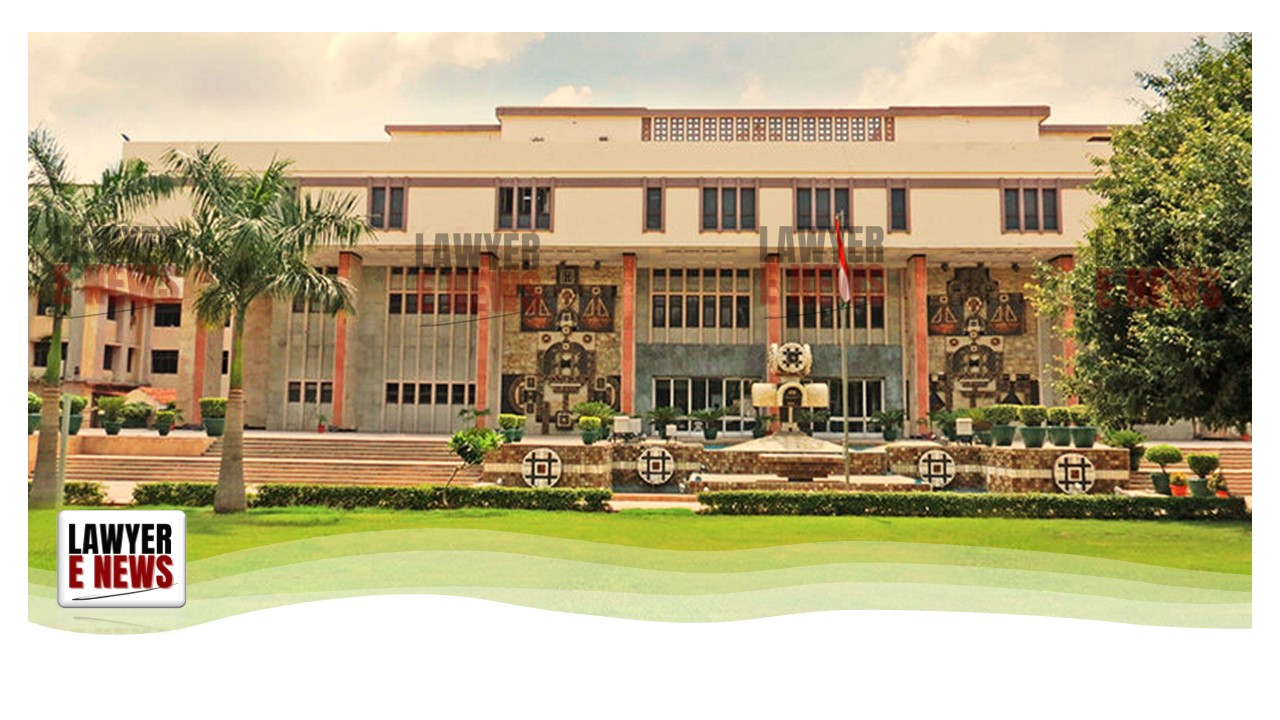
On 18th October 2024, the Delhi High Court, presided by Justice Sanjeev Narula, delivered a significant ruling in the case of Mr. Siddhaant Mohta & Ors. v. Delhi Gymkhana Club Ltd. & Ors. and related matters (CS(OS) 224/2022, CS(OS) 458/2022, and CS(OS) 523/2022). The Court denied interim relief to the plaintiffs, a group of individuals who had been granted "Green Card" privileges by the Delhi Gymkhana Club, holding that these privileges were issued in violation of the Club’s Articles of Association (AoA) and were void ab initio.
“Green Cards” Issued in Violation of Club Rules, Court Says No Relief Can Be Granted
The primary legal issue revolved around whether the issuance of Green Cards to over-age dependents (above 21 years old) violated the Club’s Articles of Association, specifically Articles 13(3a) and 13(3b). The Court held that these provisions clearly limit dependent membership and access to the Club to those under the age of 21, and any privileges granted beyond this age without formal application for membership were unlawful.
The plaintiffs, who were part of a group of 125 individuals granted Green Card user rights in 2019, argued that their rights had been wrongfully terminated by the Club’s Administrator. They sought interim relief for the restoration of their privileges, which allowed them to use the Club’s facilities.
The Court found that the issuance of Green Cards was outside the legal framework of the Club’s AoA. Justice Narula remarked:
"The AoA does not vest the General Committee with the power to create alternative categories of user rights or to circumvent the provision that requires dependents to apply for full membership upon turning 21."
The judgment emphasized that the Articles of Association (AoA) are the definitive governing documents for the Club, and any practice or policy that contradicts the AoA, including the issuance of Green Cards, is ultra vires. The Green Card system, which permitted over-age dependents to continue using Club facilities upon payment of a penalty, was found to have no basis in the AoA.
Historical Practices Do Not Override the Club’s AoA
The plaintiffs argued that the Green Card system had been a long-standing practice of the Club, supported by past General Committees. However, the Court rejected this argument, noting that customary practices cannot override the express terms of the Club’s AoA. The Court held:
"Mere past practices or exceptions do not establish a vested legal right, especially when such practices contradict the governing documents of the Club."
The Court further noted that any internal policies or resolutions acknowledging Green Card holders could not legitimize the practice since the AoA did not provide for such a category of membership.
Plaintiffs Failed to Establish a Prima Facie Case for Interim Relief
In addressing the plaintiffs' request for interim relief, the Court concluded that the plaintiffs had not established a prima facie case. The issuance of Green Cards was deemed void ab initio, meaning the plaintiffs never had a legitimate right to claim continued privileges under the Club’s rules. The Court also highlighted that the balance of convenience did not favour the plaintiffs, as their privileges were based on an unlawful practice.
"Granting interim relief would serve only to perpetuate practices already deemed unlawful," the Court observed.
Additionally, the Court noted that the plaintiffs had been offered refunds of the penalties and registration fees they had paid, and their position in the membership waitlist remained unaffected, further weakening their claim of irreparable harm.
Administrator’s Actions Upheld as Lawful and in Compliance with NCLT Directives
The plaintiffs had also challenged the authority of the Club’s Administrator, appointed by the National Company Law Tribunal (NCLT), in suspending and terminating their Green Card privileges without notice or a hearing. The Court upheld the Administrator’s actions, noting that they were based on the findings of an inquiry committee headed by Justice Dama Seshadri Naidu, which had declared the issuance of Green Cards to be in violation of the AoA.
The Court found that the actions of the Administrator and the subsequent ratification by the new General Committee were within the scope of authority granted by the NCLT, which had directed the Administrator to rectify mismanagement within the Club.
"The corrective measures were not punitive but remedial—designed to eliminate irregularities, restore institutional integrity, and ensure compliance with the AoA," the Court stated.
Applications for Interim Injunction Dismissed
In conclusion, the Delhi High Court dismissed the applications for interim injunction filed by the plaintiffs in CS(OS) 224/2022, CS(OS) 458/2022, and CS(OS) 523/2022, holding that the plaintiffs had failed to establish a legal right to continue their Green Card privileges. The Court found that the Green Cards had been issued in violation of the Club’s Articles of Association and that their termination by the Administrator was lawful.
Date of Decision: 18th October 2024
Mr. Siddhaant Mohta & Ors. v. Delhi Gymkhana Club Ltd. & Ors.