-
by sayum
16 August 2026 12:05 PM







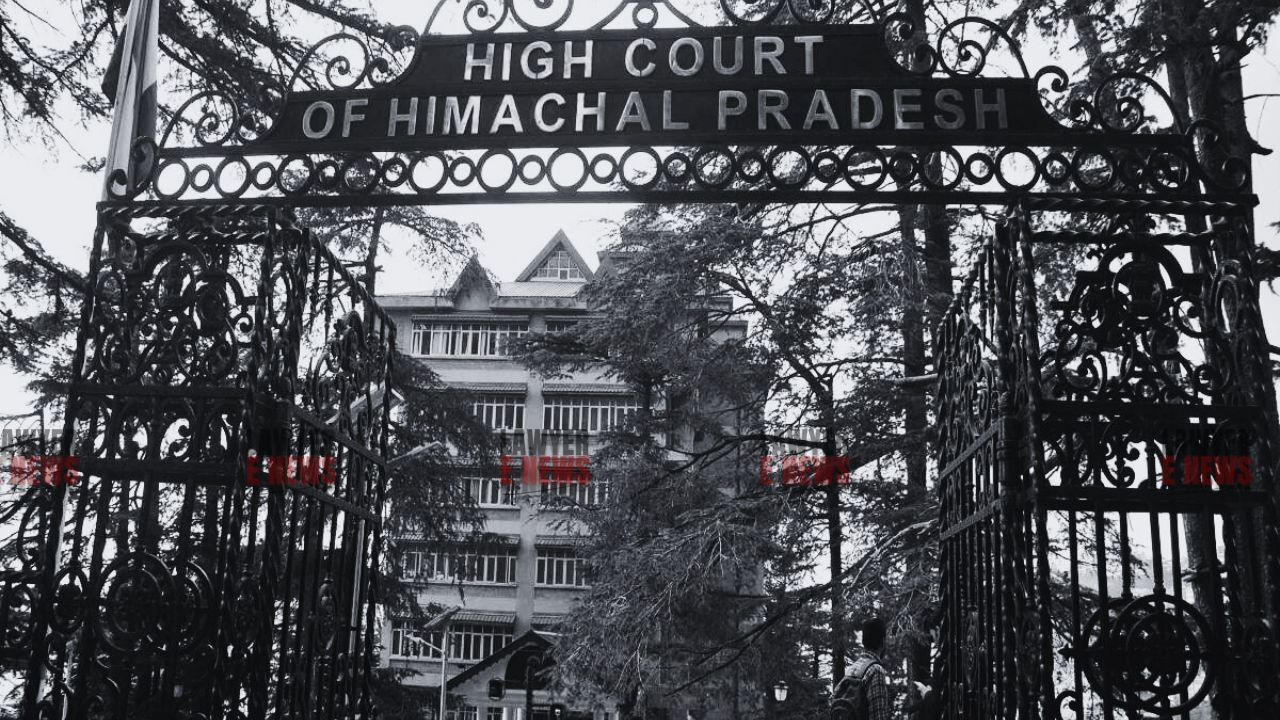
Himachal Pradesh High Court granted interim bail to Rajdeep Singh, accused of significant involvement in a ₹200 crore scholarship scam, under the Prevention of Money Laundering Act, 2002 (PMLA). Justice Virender Singh allowed the bail to enable the applicant to attend to his father-in-law’s ankle surgery scheduled for November 28, 2024. The bail period is from November 25, 2024, to December 15, 2024, with stringent conditions to ensure non-interference in the ongoing investigation.
The case concerns alleged large-scale misappropriation of scholarship funds intended for SC, ST, and OBC students under the Post Matric Scholarship Scheme. The Directorate of Enforcement (ED) accused Singh and others of creating shell entities, falsifying student enrollments, and fraudulently claiming funds. The ED alleged that Singh's actions, including submitting forged documents and siphoning funds, amounted to proceeds of crime exceeding ₹28 crore.
Singh, arrested on August 30, 2023, sought interim bail citing his father-in-law’s medical condition and his wife’s inability to assist due to her own health issues.
The Court highlighted the specific circumstances of the applicant’s request, noting:
"The interim relief is granted solely on humanitarian grounds to care for his father-in-law undergoing surgery. This decision does not dilute the gravity of the allegations or impede the investigation."
The ED opposed the bail, arguing that the twin conditions under Section 45 of PMLA—requiring satisfaction of non-guilt and non-likelihood of offense repetition—were not met. However, the Court clarified:
"While the twin conditions hold paramount importance, their application in interim bail cases on specific grounds can be flexible, ensuring the balance between individual liberty and investigation integrity."
Acknowledging the ED's concerns about evidence tampering and witness inducement, the Court imposed strict bail conditions, stating:
"The applicant must comply scrupulously with all bail conditions, ensuring no interference with the prosecution's ongoing efforts."
Bail Conditions
The Court granted interim bail with the following stipulations:
Personal Bond: ₹50,000 with two sureties of like amount.
Geographical Restriction: The applicant is restricted to his father-in-law’s surgery location.
Non-Tampering Assurance: The applicant must avoid tampering with evidence or witnesses.
Travel Ban: The applicant cannot leave India without prior Court permission.
Surrender Deadline: The applicant must surrender on December 16, 2024, at 10:00 AM.
The ED retains the right to seek bail cancellation if any conditions are violated.
This decision underscores the judiciary’s balanced approach to upholding individual rights in exceptional circumstances without compromising the seriousness of allegations under the PMLA. The High Court's ruling ensures that humanitarian considerations are addressed while maintaining strict oversight to protect the investigation's integrity.
Date of Decision: November 22, 2024