-
by sayum
04 October 2026 12:06 PM








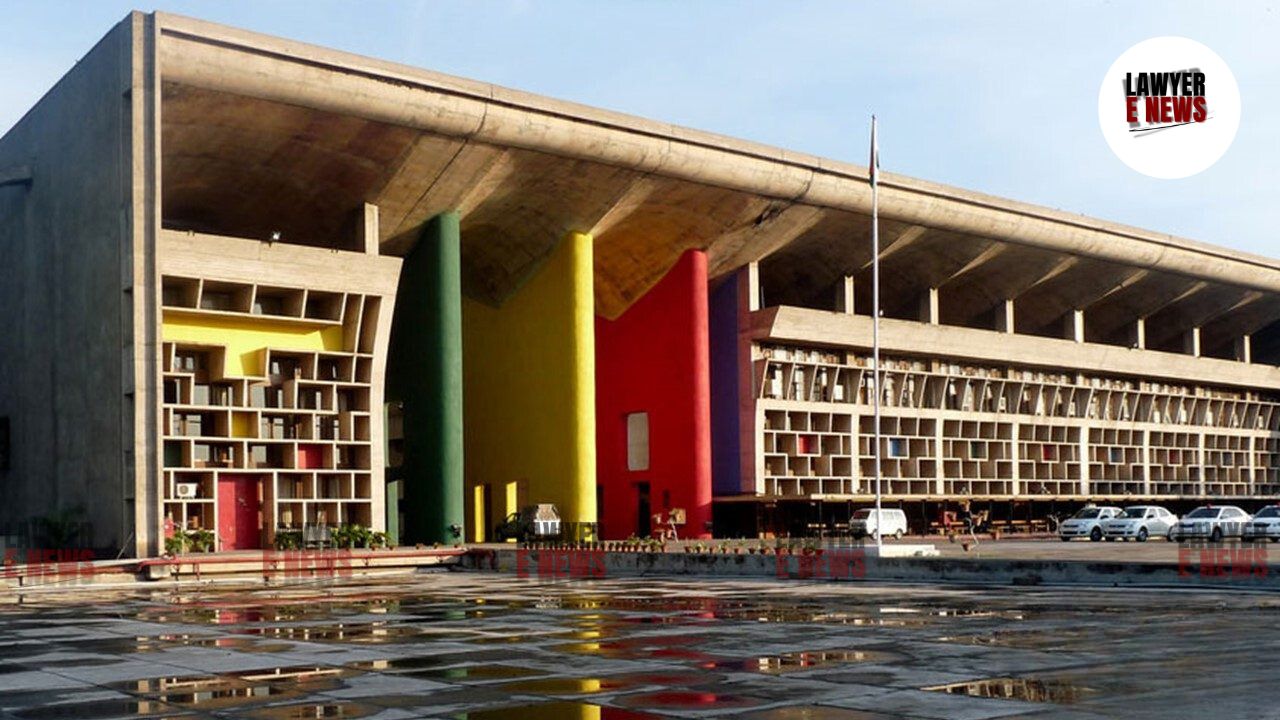
In a landmark ruling on October 31, 2023, the Punjab and Haryana High Court nullified the arrest and subsequent remand of Roop Bansal, stating a clear violation of procedural norms under the Prevention of Money Laundering Act (PMLA), 2002. The decision emphasized the necessity of adhering to the statutory mandate of providing written grounds for arrest, as per Section 19 of the PMLA.
The judgment, delivered by a bench comprising Justice Arun Palli and Justice Vikram Aggarwal, underscored the deficiency in the Enforcement Directorate's (ED) procedure, which led to the petitioner's illegal detention. "The arrest of the petitioner was also illegal and cannot be sustained," the bench declared, after finding that the ED failed to supply the written grounds of arrest to Bansal, an act that was deemed non-negotiable by the Court.
This case, which echoes the precedents set by the Supreme Court in similar matters, has brought into focus the critical nature of procedural compliance in arrests related to money laundering charges. The bench referred to the Supreme Court's observation, “any non-compliance with the mandate of Section 19 of the Act of 2002, would enure to the benefit of the person arrested.”
The Court’s decision was also influenced by the argument presented by Mr. Abhishek Manu Singhvi, the Senior Advocate representing the petitioner, who cited the recent Supreme Court judgment in Pankaj Bansal's case, which necessitated the furnishing of arrest grounds in writing.
The petitioner, who has been in custody following allegations of money laundering linked to transactions prior to the establishment of a predicate offense under PMLA, was ordered to be released forthwith unless required in connection with any other case.
The High Court’s stand is a significant reinforcement of the legal protection accorded to individuals against arbitrary arrest and detention, safeguarding personal liberty as enshrined in the Constitution of India.
Date of Decision: 31.10.2023
Roop Bansal VS Union of India and another