Judicial Review Not Negated In Election Matters Where Level Playing Field Is Impaired By Violence: Supreme Court FIR Registration | Prospective Accused Has Locus Standi To Appeal Against Single Judge's Direction: Supreme Court Executing Deed Claiming Disputed Property Not 'False Document' Without Impersonation; Civil Disputes Can't Be Criminalised: Allahabad High Court Section 24 CPC | Partition Suit Can Be Transferred To High Court To Avoid Inconsistent Findings With Pending Testamentary Proceedings: Bombay High Court Upgraded Junior High Schools Lose Separate Legal Identity; Recruitment Under 1978 Rules Not Maintainable For Resulting Vacancies: Allahabad High Court Section 370 IPC | Consent Of Victim Is Irrelevant For Proving Trafficking; High Court Sustains Conviction Despite Acquittal Under Section 370A(2) Section 307 IPC | Absence Of Bodily Injury Does Not Exclude Offence If Intention Or Knowledge Is Established From Surrounding Circumstances: Delhi High Court Income Tax Reopening | Assessing Officer Cannot Initiate Reassessment Based On Third-Party Allegations Without Establishing Direct Nexus With Assessee: Gujarat High Court Section 294 CrPC | Non-Examination Of Autopsy Doctor Not Fatal To Prosecution When Post-Mortem Report's Genuineness Is Undisputed: Karnataka High Court Section 25 Arms Act | Mere Custody Without Awareness Not An Offence, 'Conscious Possession' Essential: Delhi High Court Quashes FIR Over Single Live Cartridge Section 20 Prevention Of Corruption Act | Statutory Presumption Cannot Be Triggered Without Proof Of Demand; Mere Recovery Insufficient: Himachal Pradesh High Court Article 227 Constitution of India | High Court Cannot Sit In Appeal Over Findings Of Tribunal Under Supervisory Jurisdiction: Kerala High Court Mere Registration Of Will Does Not Dispense With Requirement To Prove Execution Under Section 68 Evidence Act: Madras High Court Insurance Policy Exclusion | Onus To Prove Suicide Can Be Discharged By Circumstantial Evidence And Unexplained Discrepancies In Medical Records: NCDRC Registration Act | Contested Decree Declaring Pre-Existing Rights By Adverse Possession Does Not Require Compulsory Registration Or Stamp Duty: Madhya Pradesh High Court Section 100 Patents Act | Government Empowered To Authorise Manufacture Of Patented Life-Saving Drugs For Non-Commercial Distribution To Patients: Kerala High Court Madras High Court Slaps ₹1 Lakh Cost On Centre Over Botched Prisoner Repatriation Contempt Of Court | Bona Fide Efforts To Verify Credentials Preclude Finding Of 'Wilful Disobedience': Telangana High Court Financial Commissioner Cannot Remand Appointment Of Lambardar Without Finding Perversity In Collector’s Order: Punjab & Haryana High Court Article 226 | High Court Cannot Act As Second Appellate Authority Over Transfer Orders; Judicial Review Permissible Only On Four Limited Grounds: Rajasthan High Court Drugs and Cosmetics Act | Prosecution Must Prove Possession And Lack Of Licence Through Independent Evidence; Failure Of Panch Witnesses Is Fatal: Telangana High Court Section 392 IPC | Appellate Courts Can Reduce Sentence To Period Already Undergone Considering Protracted Litigation And Lack Of Criminal Antecedents: Punjab & Haryana High Court

High Court Grants Regular Bail Based on Parity and Length of Custody in NDPS Case

07 May 2024 2:49 AM

By: Admin


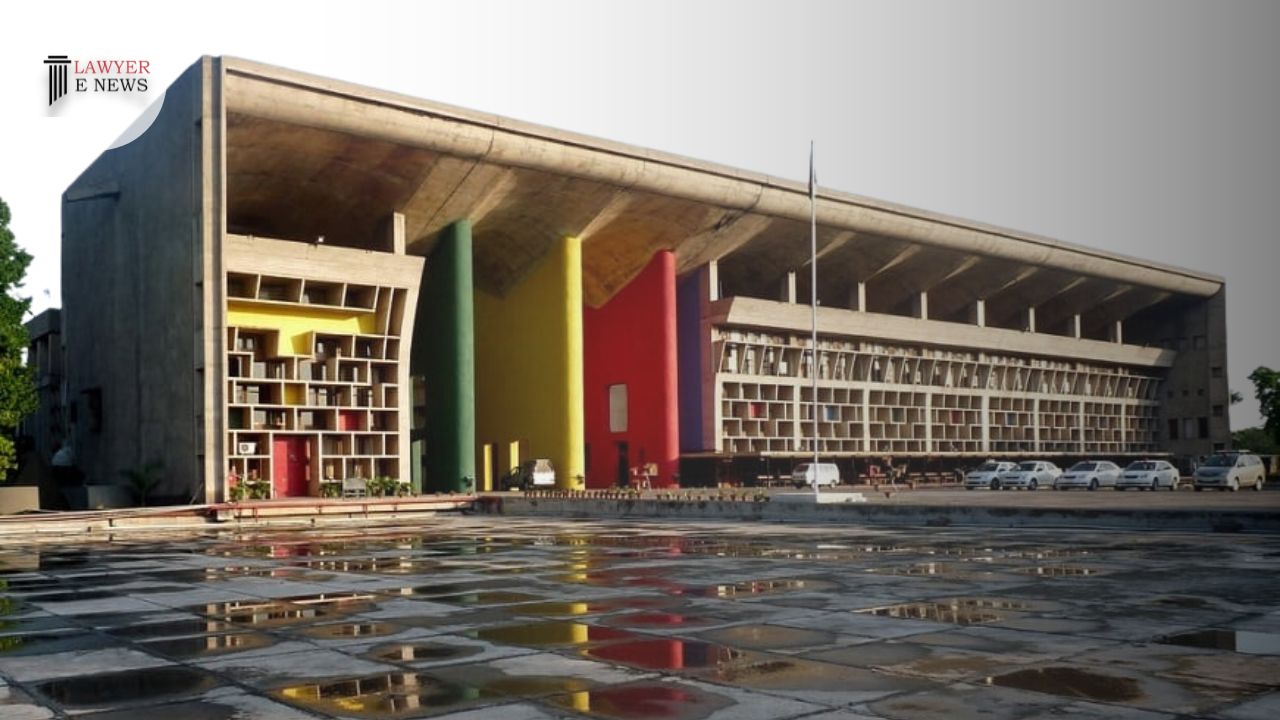
In a significant development, the High Court of Punjab and Haryana at Chandigarh has granted regular bail to the petitioner, Gurmeet Singh, in a case registered under Sections 15 and 29 of the Narcotic Drugs and Psychotropic Substances Act, 1985. The judgment, delivered by Hon'ble Mr. Justice Avneesh Jhingan on 14th July, 2023, considered the petitioner's claim of parity with a co-accused and the length of custody as crucial factors in the bail decision.

Quoting from the judgment, Justice Avneesh Jhingan stated, "On the basis of parity of petitioner vis-a-vis co-accused so far as grant of bail is concerned and though the investigation is complete, conclusion of trial is likely to take time, the petitioner is granted bail subject to his furnishing bail/surety bonds to the satisfaction of the trial Court/Duty Magistrate concerned."

The court further clarified that the grant of bail does not express any opinion on the merits of the case and that the trial would proceed independently. The petitioner was ordered to abide by certain conditions, including not tampering with evidence, not pressurizing witnesses, and appearing before the trial court as required.

The decision of the High Court relied on previous judgments from the Hon'ble Supreme Court, emphasizing the significance of custody duration in bail decisions under the NDPS Act, 1985. Justice Jhingan cited cases where bail was granted based on the length of custody, even in the face of the stringent provisions of the NDPS Act.

The judgment, which grants relief to Gurmeet Singh after two years, five months, and 27 days of custody, highlights the court's commitment to upholding individual rights enshrined under Article 21 of the Constitution of India. The court considered the potential violation of the petitioner's right to liberty and concluded that further incarceration would be unjust.

It is important to note that the judgment does not express any opinion on the merits of the case, and the trial will proceed independently. The decision is expected to have a significant impact on future bail applications in similar cases, providing an avenue for individuals to seek relief based on custody duration and parity with co-accused.

Date of Decision: 14th July, 2023

Gurmeet Singh vs State of Punjab

Latest Legal News