-
by sayum
20 October 2026 1:07 PM







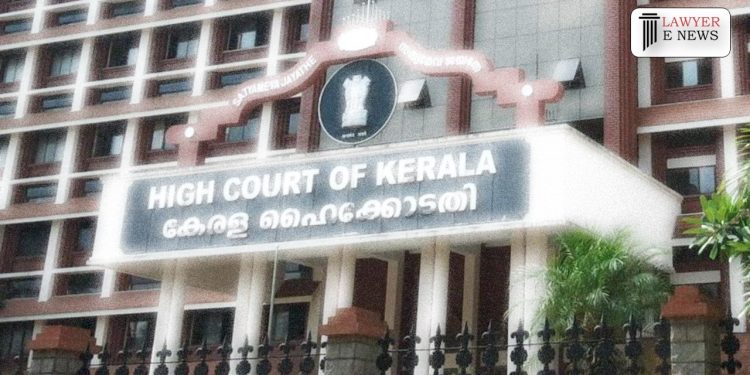
In a significant ruling, the court of Judges P.B. SURESH KUMAR and C.S. SUDHA on 11th August 2023 acquitted accused 1 to 7 in the murder case of Shihab, citing "flawed investigation and lack of evidence."
The accused were charged with the murder of Shihab, allegedly committed using specific vehicles. The prosecution had built its case on the testimony of two witnesses and the seizure of the vehicles. However, the court found that there was "no satisfactory evidence connecting MO11 and MO13 to the crime or the accused to the vehicles" (Para 27).
The judgment highlighted serious lapses in the investigation, including inconsistencies in the police diary and a delay in questioning key witnesses. The court observed, "The facts aforesaid revealed from the police diary, according to us, would show either that this is a case where the investigating officer has arrayed the accused in the case as the assailants of Shihab for extraneous reasons or solely for the reason that they are active members of the organization, RSS without conducting proper investigation" (Para 30).
The court's decision to acquit the accused was not based on a finding of innocence but rather on the flawed investigation. The judgment expressed concern over the impact of such flawed investigations on the credibility of the justice system, stating, "We are conscious of the fact that acquittal of the accused in a case of this nature would seriously affect the credibility of the justice delivery system, but we are constrained to do so, as we have real doubt as to whether it is accused 1 to 7 who have committed the crime, though we do not have any doubt to the fact that the crime has been committed by a group of persons in the manner alleged" (Para 34).
The court's decision has brought attention to the importance of proper investigation and the potential consequences of faulty investigation on both the accused and the justice system as a whole. The ruling emphasizes the need for deeper investigation and careful consideration of evidence to ensure that justice is served.
Date of Decision: 11.08.2023
NAVEEN vs STATE OF KERALA