-
by sayum
13 August 2026 1:48 PM







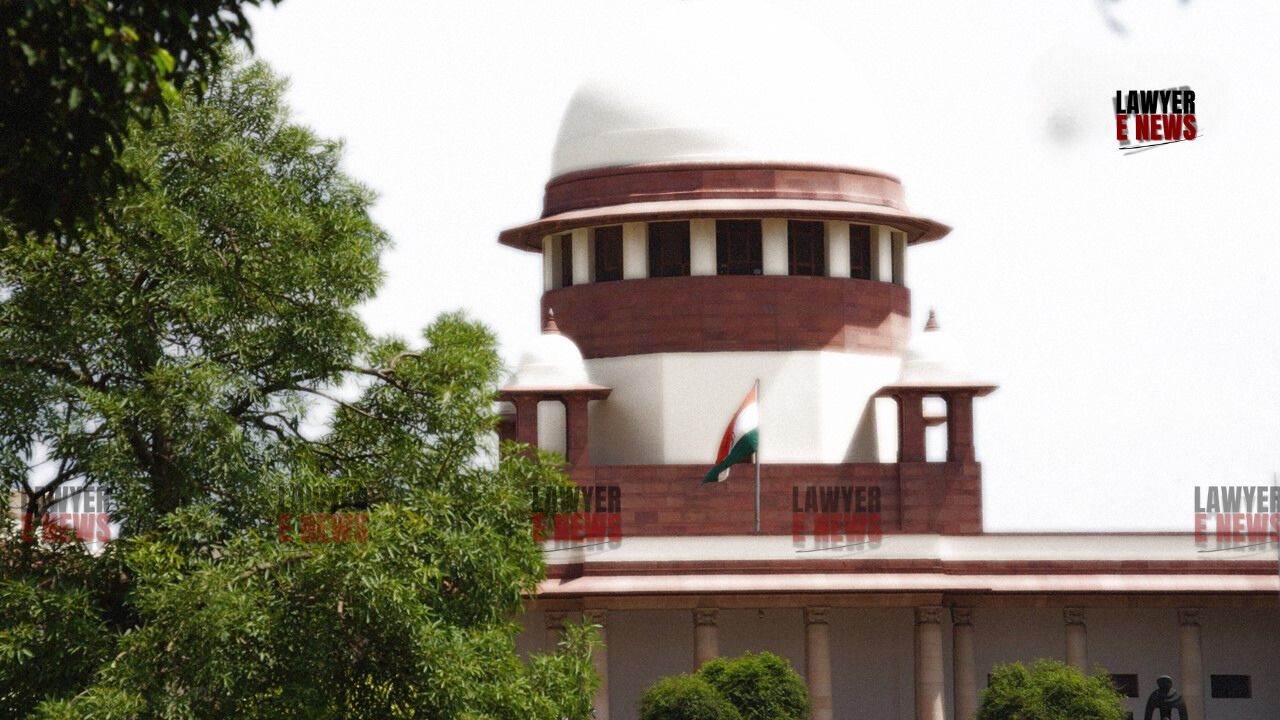
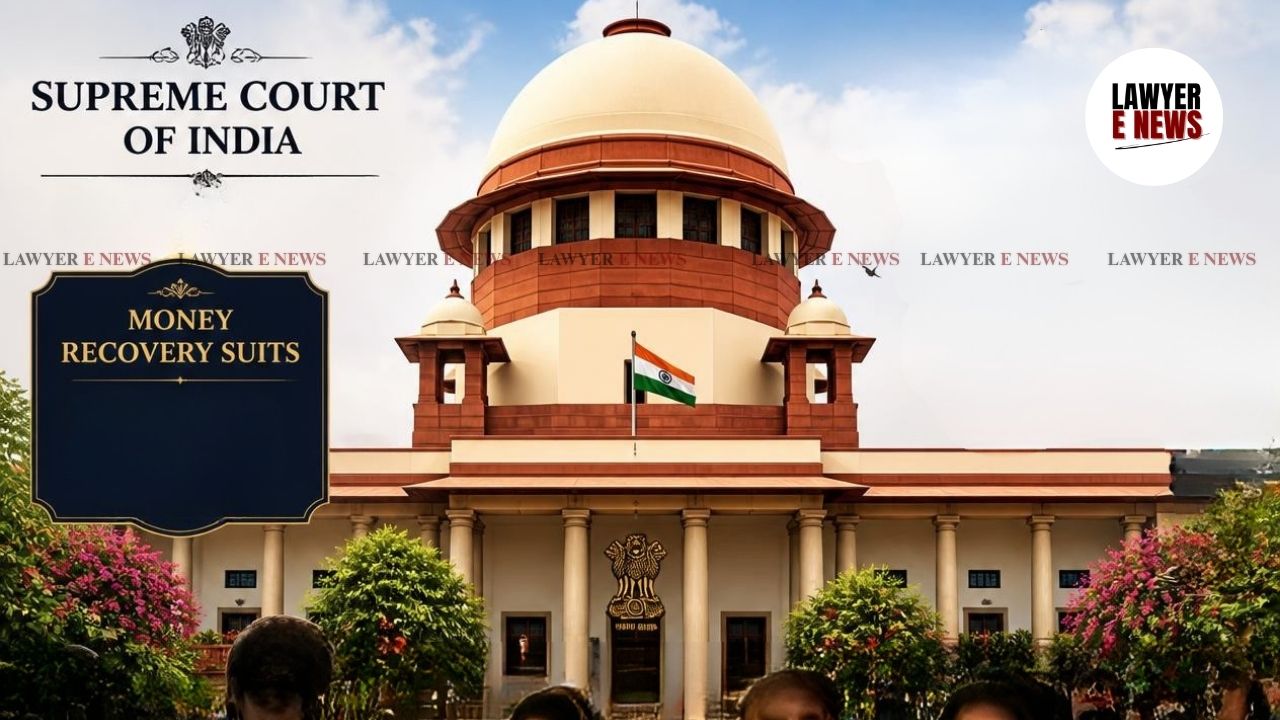
In a landmark ruling the Supreme Court of India delivered a decisive judgment ensuring that landowners whose land was acquired but not compensated would receive their rightful dues under the Right to Fair Compensation and Transparency in Land Acquisition, Rehabilitation and Resettlement Act, 2013 (2013 Act). The Court also extended the time for fresh acquisition proceedings by one year, granting the government a final opportunity to comply with its obligations.
"Once land has been taken, compensation under the 2013 Act is a rightful entitlement. Procedural formalities cannot be used as a shield to deprive landowners of their due," the bench of Justice Surya Kant, Justice Dipankar Datta, and Justice Ujjal Bhuyan observed, reaffirming the principles of fairness and equity in land acquisition cases.
The ruling came in Delhi Development Authority v. Mehboob & Ors., where landowners challenged the government's failure to provide compensation despite taking possession of their land. The Supreme Court, relying on its recent decision in Govt. of NCT of Delhi v. K.L. Rathi Steels Ltd., (2024) 7 SCC 315, directed that compensation must be paid under the 2013 Act, ensuring that justice was neither delayed nor denied.
Supreme Court Invokes Article 142 to Balance Public Interest and Landowners’ Rights
The Court, invoking its extraordinary powers under Article 142 of the Constitution, streamlined the acquisition process by waiving procedural requirements such as Social Impact Assessments and certain statutory compliances under the 2013 Act. Recognizing the urban and semi-urban nature of the land in question, the bench held that rigid procedural requirements should not obstruct landowners from receiving their lawful compensation.
"The Supreme Court cannot be a silent spectator when the state fails in its duty to compensate landowners. Equity and justice demand intervention," the judgment stated, making it clear that legal formalities could not override constitutional guarantees.
Compensation to Be Assessed as of January 1, 2014, with Monetary Benefits
The Supreme Court laid down clear directives ensuring swift compensation payments. The market value of the land was ordered to be assessed as of January 1, 2014, and compensation was to be calculated with all monetary benefits, including solatium under Section 30 of the 2013 Act. However, claims related to rehabilitation and resettlement were waived, considering the nature of the land.
"The Collector shall determine compensation as per the statutory framework, without unnecessary delays. Any deviation from this mandate will invite strict consequences," the Court warned, emphasizing that the extended timeframe for fresh acquisition proceedings must be adhered to without fail.
"No Further Delays Will Be Tolerated": Supreme Court Issues Strict Timeline for Compliance
The Court granted one final extension of one year, from August 1, 2024, to August 1, 2025, for the government to complete fresh acquisition proceedings. The bench made it clear that failure to act within this period would have severe legal consequences.
"The rights of landowners cannot be held hostage to bureaucratic inertia. The state is bound by constitutional and statutory obligations, and any further inaction will not be countenanced," the judgment stated.
The Court also directed the Collector to hear objections within four weeks and pass an award within six months, cutting down the maximum statutory timeline from twelve months to expedite the process.
"The law does not permit an endless wait for compensation. The government must act with urgency and ensure timely compliance," the judgment asserted.
Delhi High Court Ordered to Rehear Several Land Acquisition Cases
In addition to resolving the compensation dispute, the Supreme Court remanded multiple land acquisition cases to the Delhi High Court, including those involving Veera Singh & Others, Abhishek Jain & Others, Flash Properties Pvt. Ltd., and Ansar Ahmed & Others.
"The complexity of issues in these cases requires fresh adjudication by the High Court. All contentions are left open for arguments, and the High Court is directed to expeditiously decide these matters," the Supreme Court ruled, setting the next hearing for February 24, 2025.
Supreme Court Directs Immediate Release of ₹7.86 Crore to Landowners
In DDA v. Urmil Makker & Others, the Court ensured that ₹7.86 crore, already deposited by the Ministry of Housing and Urban Affairs, be released to the rightful landowners within three weeks. The Reference Court was instructed to verify the identity of landowners before disbursing the amount, ensuring transparency in the process.
"If any landowner seeks enhancement of compensation, they may do so within thirty days, without any bar of limitation. Justice demands that no landowner be deprived due to procedural rigidity," the bench clarified.
Conclusion: Supreme Court Delivers Justice to Landowners, Ensures Government Accountability
This landmark decision by the Supreme Court upholds the fundamental right to fair compensation and reaffirms the rule of law in land acquisition matters. By ensuring that compensation is paid under the 2013 Act, extending acquisition deadlines, and waiving unnecessary procedural hurdles, the Court has:
Protected landowners from procedural exploitation.
Held the government accountable for its obligations.
Ensured timely compensation under the legal framework.
"The scales of justice cannot be tilted in favor of the state when fundamental rights are at stake. Compensation is not a privilege; it is a legal right," the Supreme Court concluded, sending a strong message that bureaucratic delays will no longer be tolerated in land acquisition cases.
Date of Decision: 08/01/2025