-
by sayum
26 August 2026 8:37 AM







“It is not the seriousness of the offence, but the suppression of conviction that strikes at the very heart of electoral transparency and voter’s right to know” — Supreme Court
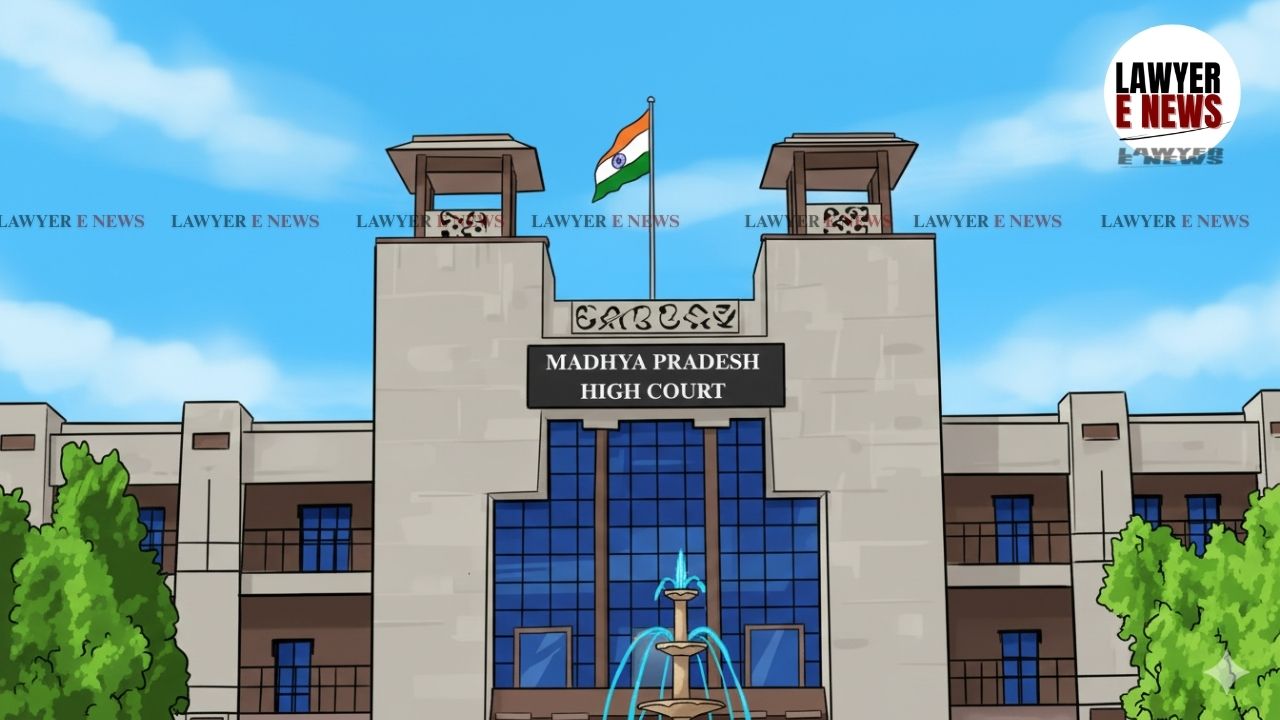
On 6 November 2025, the Supreme Court of India dismissed a Special Leave Petition challenging the disqualification of an elected councillor for failing to disclose her prior conviction under Section 138 of the Negotiable Instruments Act, 1881, in the affidavit filed with her nomination form. A Bench comprising Justice Pamidighantam Sri Narasimha and Justice Atul S. Chandurkar affirmed the concurrent findings of the Trial Court and the Madhya Pradesh High Court, holding that such non-disclosure materially affected the election and violated mandatory provisions of election law.
The judgment reasserts the constitutional imperative that voters are entitled to be informed of criminal antecedents of candidates, and non-disclosure — irrespective of the nature of the offence — amounts to a fatal defect in the nomination, rendering the election void.
"Disclosure is Mandatory, Not Discretionary – Even for Minor Convictions": Court Stresses Absolute Nature of Rule 24-A
The Court categorically rejected the petitioner’s plea that her failure to disclose conviction was immaterial since the offence under Section 138 NI Act does not involve moral turpitude or serious criminality. The Bench held:
“Rule 24-A(1) requires a candidate to disclose any order of conviction suffered by him... irrespective of the quantum of sentence or nature of offence.”
The petitioner, elected in 2022 as Councillor of Ward No. 5, Bhikangaon Nagar Parishad, had been convicted in 2018 under Section 138 of the NI Act and sentenced to one year imprisonment. Her affidavit dated 09.09.2022 falsely declared “no conviction” under the prescribed format in Rule 24-A of the MP Nagar Palika Nirvachan Niyam, 1994. The conviction was only set aside in appeal after the election.
The Court emphasized that the eligibility and disclosure requirement is to be assessed as on the date of nomination, and any subsequent acquittal has no bearing.
"Free and Fair Elections Demand Truthful Disclosure – Non-Disclosure is Suppression"
Relying heavily on its landmark decisions in Association for Democratic Reforms, Krishnamoorthy v. Shivakumar, and Kisan Shankar Kathore v. Arun Dattatray Sawant, the Court underscored that the right to information about candidates' criminal antecedents flows from Article 19(1)(a) of the Constitution, and is essential for meaningful electoral participation.
“By failing to disclose her conviction under Section 138... the petitioner suppressed material information and thus failed to comply with the mandatory requirements... her nomination paper was improperly accepted.”
The Court explained that suppression of conviction undermines informed electoral choice, and the Returning Officer’s role in publishing disclosures is central to ensuring transparency.
“When there is such non-disclosure, the question whether the election is materially affected or not does not even arise... it is a case of undue influence on the voter’s free exercise of franchise.” — Para 24
"Subsequent Acquittal Irrelevant – Candidate Must Be Truthful As On Date of Nomination"
The petitioner had argued that her conviction, though existing on the date of nomination, was later set aside on 30.12.2022. The Court rejected this argument:
“The eligibility of a candidate is required to be determined as on the date of submission of the nomination form... Subsequent developments are irrelevant for compliance with Rule 24-A.”
Additionally, the Bench observed that the petitioner did not step into the witness box to explain her failure to disclose the conviction, thereby undermining her own defence.
Attempt to Downplay Section 138 Offence Rejected: “Law Does Not Permit Differentiation”
The Court categorically held that even if the conviction is for an offence not involving moral turpitude or is compoundable (as under Section 138), the statutory obligation to disclose remains absolute:
“Adopting a course that excuses disclosure of ‘minor’ offences would do violence to the Act of 1961 and the Rules of 1994.”
In distinguishing prior rulings such as Ravi Namboothiri v. K.A. Baiju and Karikho Kri v. Nuney Tayang, the Court noted that:
In Ravi Namboothiri, the sentence was only a fine of ₹200 for protest under a police act.
In Karikho Kri, the alleged non-disclosure was of vehicle ownership and no dues, not of criminal conviction.
By contrast, the present case involved clear suppression of a one-year sentence, which had electoral consequences.
“Misleading Voters Is Undue Influence”: Election Voided for Improper Nomination Acceptance
Addressing whether the election was “materially affected”, the Court invoked Krishnamoorthy and held:
“Concealment... deprives voters to make an informed choice... it would come within the compartment of direct or indirect interference...”
“...In such cases, material effect on the result of election need not be separately proved.”
It was sufficient, the Court said, that the nomination was improperly accepted, and voters were deprived of relevant information. This itself materially affects the election.
No Relief Under Article 136 – No Exceptional Circumstance or Miscarriage of Justice
The Supreme Court declined to interfere under Article 136 of the Constitution. Quoting Pritam Singh v. State, the Court held that special leave jurisdiction is reserved for cases involving substantial injustice or exceptional circumstances.
“We are not persuaded... that the petitioner has made out an exceptional case... Her affidavit has been found to be false... No special case arises for interference under Article 136.”
Interestingly, the Court also noted that the petitioner had contested the by-election caused by her disqualification and lost, further diminishing her claim.
Upholding Sanctity of Electoral Disclosures
Reaffirming its longstanding jurisprudence on electoral transparency and voter rights, the Court concluded:
“It is thus clear that on account of such wrongful acceptance of her nomination form, the election was materially affected... her election was rightly declared void.”
Date of Decision: 6 November 2025