Mere Unwanted Staring At A Woman's Chest In Office Does Not Constitute Voyeurism Under Section 354-C IPC: Bombay High Court State Cannot Justify Espionage FIR Based Solely On Custodial Disclosure Without Corroborative Evidence: Punjab & Haryana High Court Grants Bail Mere Issuance Of Letter Of Intent Without Formal Work Order Does Not Create Concluded Contract Or Arbitration Agreement: Supreme Court Executing Court Cannot Modify Terms Of Compromise Decree Merely Because Implementation Is Impracticable: Supreme Court Adjudicating Authority Only Needs To Check For 'Plausible' Pre-Existing Dispute Under Section 9 IBC, Not Its Success On Merits: Supreme Court Arguing Against Settled Law To Show Skill Wastes Court Time; Giving Up Such Arguments A Professional Virtue: Supreme Court Limitation Under Section 468 CrPC Is Computed From Date Of Filing Complaint, Not Date Of Cognizance: Supreme Court MSCS Act | Co-operative Society Can't Acquire Corporate Debtor Under IBC If Not In 'Same Line Of Business' As Per Its Bye-Laws: Supreme Court Multi-State Co-op Societies Can Only Invest In Entities With Substantially Similar Core Business Under Bye-Laws: Supreme Court High Court Cannot Usurp Governor's Statutory Discretion To Grant Extraordinary Pension Under 1981 Rules: Supreme Court Litigants Can Challenge Non-Appealable Interlocutory Orders In Final Appeal Under Section 105 CPC: Supreme Court Plaintiff Cannot File Fresh Suit For Title If Relief Was Omitted In Earlier Injunction Suit Arising From Same Dispute: Supreme Court Plaintiff's Failure To Enter Witness Box Draws Rebuttable Presumption, Not Fatal To Suit If Rebutted By Cogent Evidence: Supreme Court Sale Deeds Executed During Pendency Of Specific Performance Suit Hit By Doctrine Of Lis Pendens: Supreme Court EWS Certificates Must Relate To Correct Financial Year; Courts Should Not Routinely Interfere In Online Recruitment Rejections: Supreme Court Court Can Lift 'Veil Of Partnership' To Evict Tenants Using Reconstitution As Cloak For Unlawful Sub-Letting: Supreme Court State Cannot Fix Lower Dearness Relief Rate For Pensioners Than Dearness Allowance For Serving Employees: Supreme Court Prolonged Separation Indicates Matrimonial Bond Broken Beyond Repair: Supreme Court Upholds Divorce Over Wife's Cruelty Right To Contest Elections Distinct From Right To Vote, Co-Operative Societies Can Set Threshold Eligibility Conditions: Supreme Court Court Can Draw Adverse Inference Against Party Withholding Best Evidence, Has No Duty To Seek Production: Supreme Court Limitation | Delay Condonation Cannot Be An Act Of Generosity: Supreme Court Refuses To Condone 31-Year Delay To Challenge Decree Sentence Suspension In Murder Cases Only Under Exceptional Circumstances; Presumption Of Innocence Erased Upon Conviction: Supreme Court

Eviction Suits Don’t Require Mortgage Redemption: Andhra Pradesh High Court

06 November 2024 9:49 AM

By: Deepak Kumar


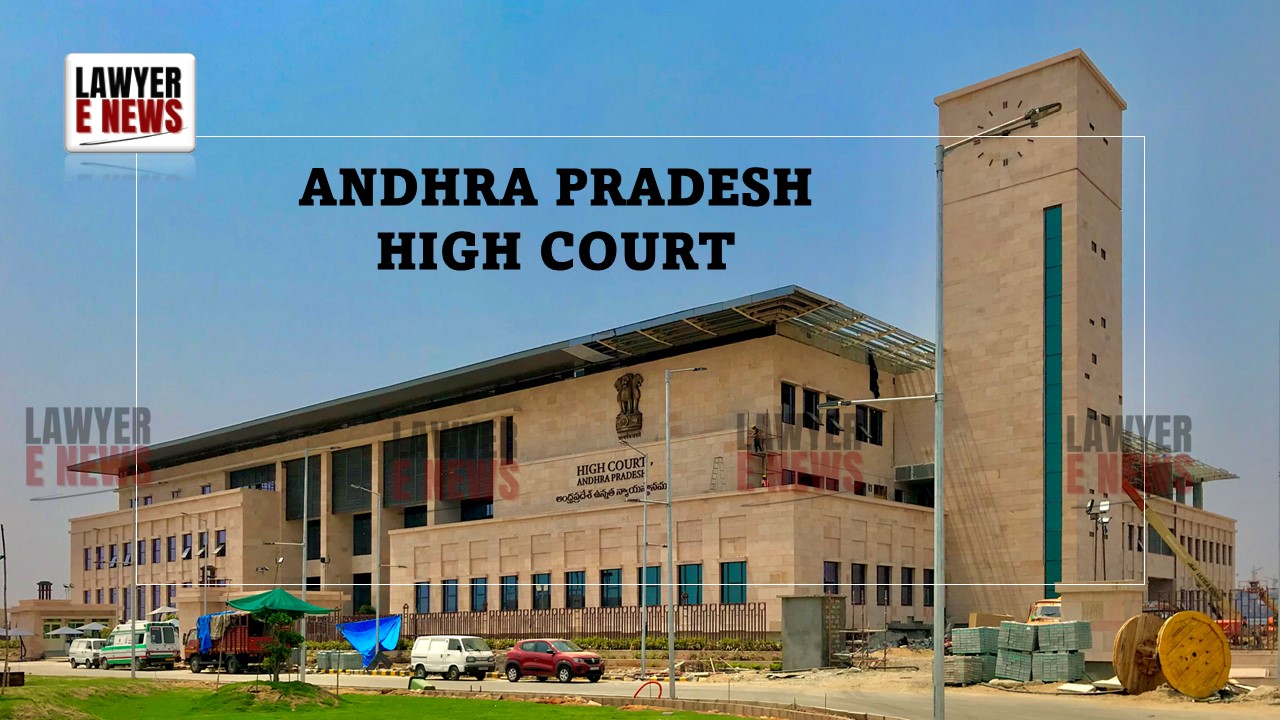
Andhra Pradesh High Court dismissed a second appeal filed by Jannada Ramanayya challenging lower court decisions ordering his eviction from land owned by Bobbadi Govindarao. Justice V. Gopala Krishna Rao concluded that the appeal presented no substantial questions of law, affirming concurrent rulings by the Srikakulam Principal Senior Civil Judge and the Family Court-cum-III Additional District Judge. The courts had decreed that Ramanayya must vacate the disputed land, rejecting his claims of possession under a "Bogabanda usufructuary mortgage."

The dispute began in 2014 when Govindarao, as plaintiff, filed a suit for the eviction of Ramanayya from agricultural land leased to him. Initially leased for three years beginning in 2002, the lease was informally extended until 2014. When Govindarao sought to reclaim the property, Ramanayya refused, citing an alleged agreement granting him possessory rights. Govindarao asserted that any financial arrangements had been resolved, denying any mortgage on the land.

The trial court ruled in favor of Govindarao, establishing his title to the land and rejecting Ramanayya’s claims. The Family Court-cum-III Additional District Judge subsequently upheld this decision, prompting Ramanayya to appeal to the High Court.

The appeal raised several issues, including whether a simple eviction suit was maintainable without redeeming an alleged mortgage. Ramanayya contended that the plaintiff should have filed a mortgage redemption suit, asserting a claim to continued possession due to his initial investment.

However, Justice Gopala Krishna Rao clarified that the case involved only the right to possession, unaffected by any mortgage claim, particularly as no mortgage document was presented. Additionally, the court noted that Ramanayya had not raised the repayment issue in previous proceedings, nor had he filed a counterclaim for the amount allegedly owed.

"The appellant failed to establish a valid possessory claim or mortgage over the suit land, and no substantial questions of law were demonstrated that would warrant revisiting the findings of the lower courts," Justice Rao stated, referencing Supreme Court precedent in Boodireddy Chandraiah v. Arigela Laxmi.

The Andhra Pradesh High Court dismissed the appeal at the admission stage, confirming the judgments of both the trial and appellate courts. Ramanayya was ordered to vacate the property, with no costs awarded.

Date of Decision: November 4, 2024
Jannada Ramanayya vs. Bobbadi Govindarao,

 

Latest Legal News