Bail Applicant Under Mandatory Obligation To Disclose Criminal Antecedents, Non-Disclosure Results In Erroneous Decisions: Andhra Pradesh High Court Judicial Decrees Cannot Be Set Aside By Administrative Orders After Decades; Long-Standing Revenue Entries Must Be Protected: Allahabad High Court 'Any Use Whatsoever' Includes Promotion & Events: Bombay High Court Restrains New Indian Express Group From Hosting Commercial Events Outside Southern States Reserved Category Candidates Who Qualify On Their Own Seniority Must Be Adjusted Against Unreserved Vacancies: Calcutta High Court Decree For Possession Can Be Passed If Landlord-Tenant Relationship & Termination Are Admitted; Unregistered Lease Is Month-To-Month: Delhi High Court Prosecution Against Co-Accused Not Sustainable When Main Accused Is Discharged On Same Facts: Jharkhand High Court Admission Of Handwriting On Account Statement Is Not Admission Of Its Contents; Corroborative Evidence Necessary To Prove Claim: Gujarat High Court Omission Of Label Defects In Food Inspector's Spot Memo Fatal To Prosecution For Misbranding: Himachal Pradesh High Court RBI Must Consult State Government, Not Just Registrar, To Supersede Co-operative Bank Board; Principles Of Natural Justice Excluded Under Section 36AAA: Kerala High Court Suit Filed Before IBC Proceedings Cannot Be Dismissed Under Order VII Rule 11 CPC; Section 96 Moratorium Only Stays Pending Actions: Calcutta High Court Senior Citizens Not Technologically Savvy Cannot Be Penalized For Not Checking Case Status On Court Website: Tripura High Court Telangana High Court Quashes Case Against CM Revanth Reddy Over 2019 Election Roadshow, Cites Bar Under Section 195 CrPC Maintenance Tribunal Orders Passed Without Mandated Three-Member Coram Are A Nullity: Punjab & Haryana High Court School Register Entry Regarding Date Of Birth Lacks Probative Value Unless Source Of Information Is Proved: Madhya Pradesh High Court Sets Aside POCSO Conviction Limitation Period For Specific Performance Starts From Date Of Refusal If No Fixed Date Stipulated In Agreement: Karnataka High Court Pensionary Benefits Not ‘Pecuniary Advantage’, Cannot Be Deducted From Income For Motor Accident Compensation: Punjab & Haryana High Court

Ethical Considerations and Future Care for Mother and Fetus: Delhi High Court Recalls Judgment on Late Pregnancy Termination

07 May 2024 8:19 AM

By: Admin


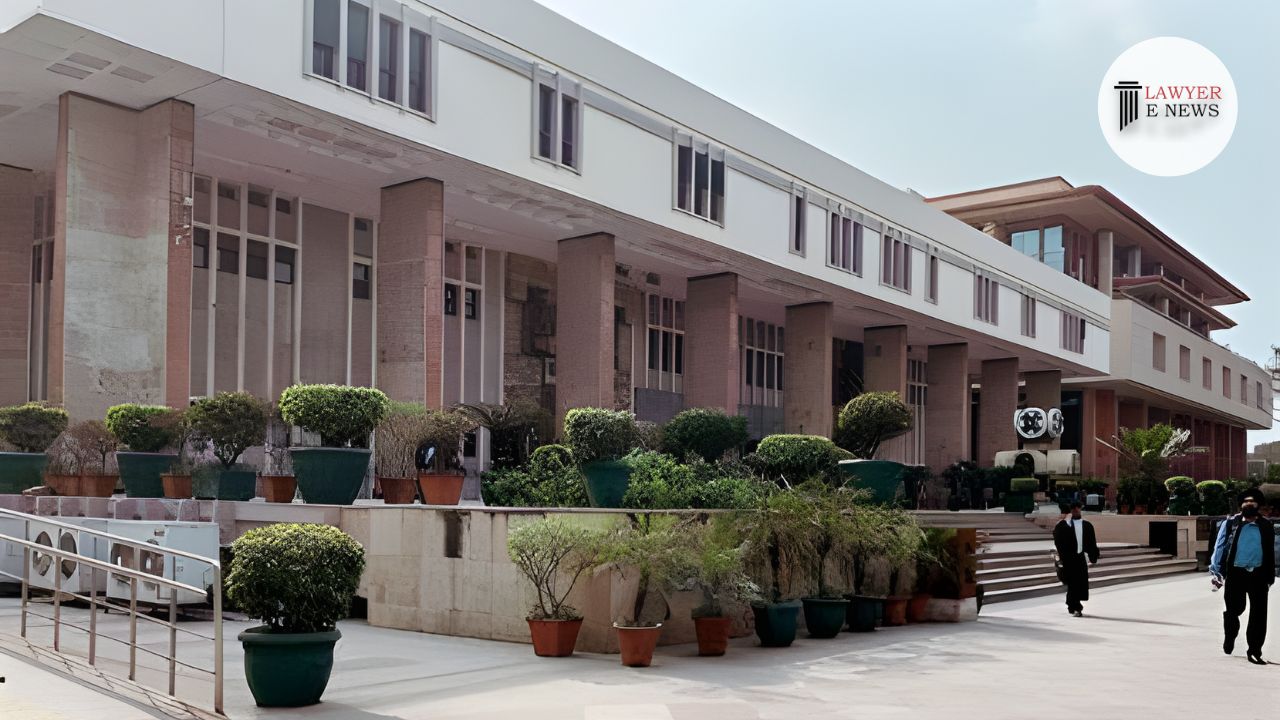
In a significant ruling that underscores the complexities of medical termination of pregnancies, the Delhi High Court has recalled its earlier judgment that permitted the termination of a 30-week pregnancy. The court's decision pivoted on "ethical considerations and future care" for both the mother and the fetus, especially given the absence of fetal abnormalities.

The petitioner, who had lost her husband and suffered severe depression, initially sought termination citing grave injury to her mental health. However, detailed psychological assessments and medical reports from AIIMS played a crucial role in the court's reconsideration of the matter.

Justice Subramonium Prasad, while delivering the judgment, emphasized the intricate balance between medical guidelines and ethical considerations in such sensitive cases. "The guidelines dated 14.08.2017 issued by the Ministry of Health and Family Welfare, Government of India, provide for termination of pregnancy beyond 20 weeks in specific cases. However, in the present case, no such circumstances exist, and therefore, the said guidelines cannot be pressed for permitting feticide," the judge observed.

The court highlighted the psychological assessment of the petitioner, pointing out that although she suffered from severe depression, there were no psychotic features that could justify the late termination of pregnancy. The judgment also brought attention to the potential physical and mental deficiencies a preterm baby might suffer and the implications for the child's future.

In a compassionate move, the court assured the petitioner of medical and psychological support. "If the Petitioner is inclined to undergo her delivery at any Central Government Hospital, the Central Government shall bear all the medical expenses and all other incidental charges of the delivery," the judgment read.

Furthermore, addressing the petitioner's future concerns, the court stated, "If the Petitioner is inclined to give the new born child in adoption, then the Union of India shall ensure that the process of adoption takes place at the earliest and in a smooth fashion."

Date of decision: 23 JANUARY, 2024

R VS THE UNION OF INDIA THROUGH SECRETARY MINISTRY OF HEALTH AND FAMILY WELFARE & ORS.

 

Latest Legal News