-
by sayum
17 August 2026 3:17 PM







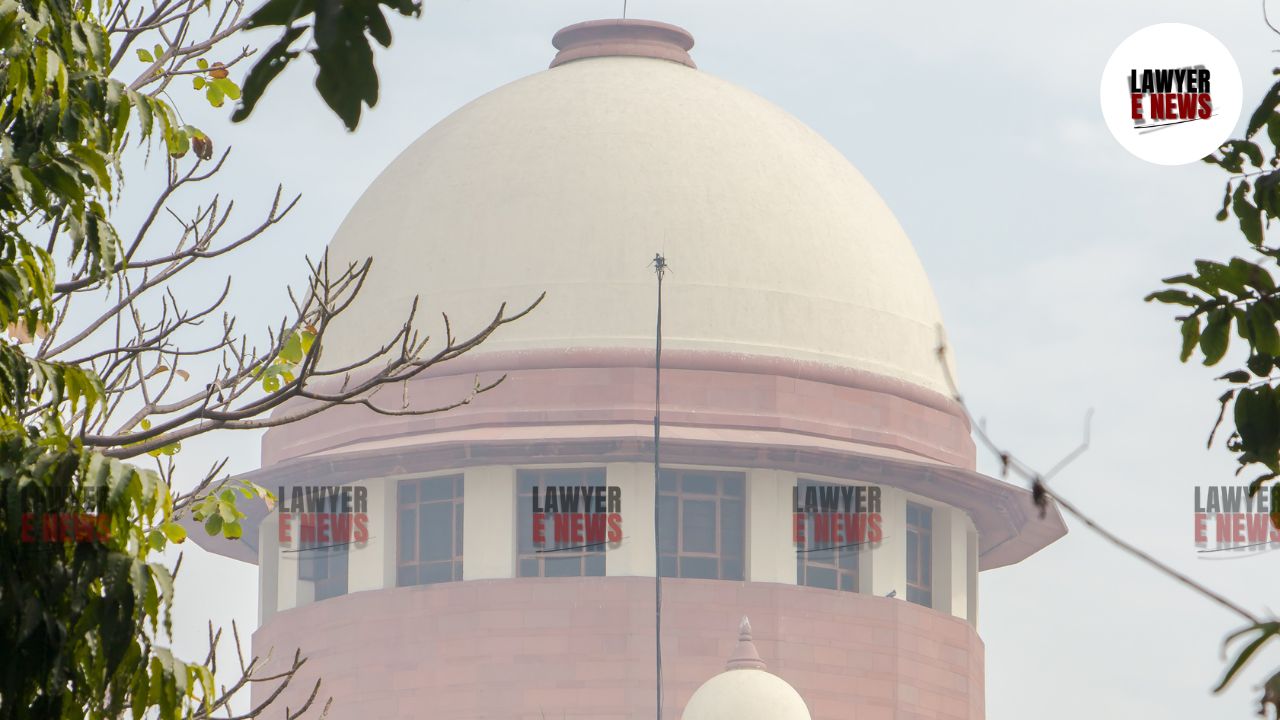
Supreme Court of India, in Firoz Bakht Ahmed vs. The State of Telangana & Anr., quashed criminal proceedings against the appellant, Firoz Bakht Ahmed, after he tendered an unconditional apology for making defamatory remarks against the respondent, calling him a "sexual predator." The Court allowed the appeal, finding that an apology, compensation, and a public statement were sufficient to resolve the matter in the interest of both parties.
The case arose from an incident where the appellant allegedly made defamatory remarks against Respondent No. 2, referring to him as a "sexual predator," even after the respondent had been discharged of such allegations. The defamatory statement led to the filing of a criminal complaint, resulting in CC No.196 of 2019. The High Court of Telangana refused to quash the proceedings, prompting the appellant to approach the Supreme Court.
The appellant, now retired, expressed remorse and stated that the defamatory statement was made in an emotional outburst, without any intent to harm the respondent's reputation. He offered an unconditional apology and agreed to pay compensation for the mental distress caused to the respondent.
Whether the defamatory statement made in an emotional outburst warranted continuation of criminal proceedings.
Whether the appellant’s apology and willingness to compensate for damages could form a basis for quashing the criminal proceedings.
Court Observations:
The Court acknowledged the appellant's realization of his mistake and willingness to offer an unconditional apology and compensation. It noted that continuing the criminal proceedings would not serve any further purpose, as both parties were willing to settle the matter amicably.
The Court emphasized that defamatory statements should be made with careful consideration of their consequences. However, given the appellant's genuine remorse and offer to rectify the harm caused, the Court found it appropriate to quash the proceedings.
The Supreme Court quashed the criminal proceedings in CC No.196 of 2019 and also disposed of the related civil suit, OS No.1490/2018. The Court directed the appellant to publish an unconditional apology in bold letters on the front page of Daily Eenadu within four weeks. Additionally, the appellant was ordered to pay ₹1,00,000 as compensation to the respondent for the mental agony caused.
The Supreme Court's decision underscores the importance of accountability in making public statements but also allows for amicable resolution when an individual expresses genuine remorse. The criminal proceedings were quashed, with the appellant required to tender a public apology and pay compensation.
Date of Decision: October 14, 2024
Firoz Bakht Ahmed vs. The State of Telangana & Anr.