
-
by sayum
03 October 2026 9:56 AM







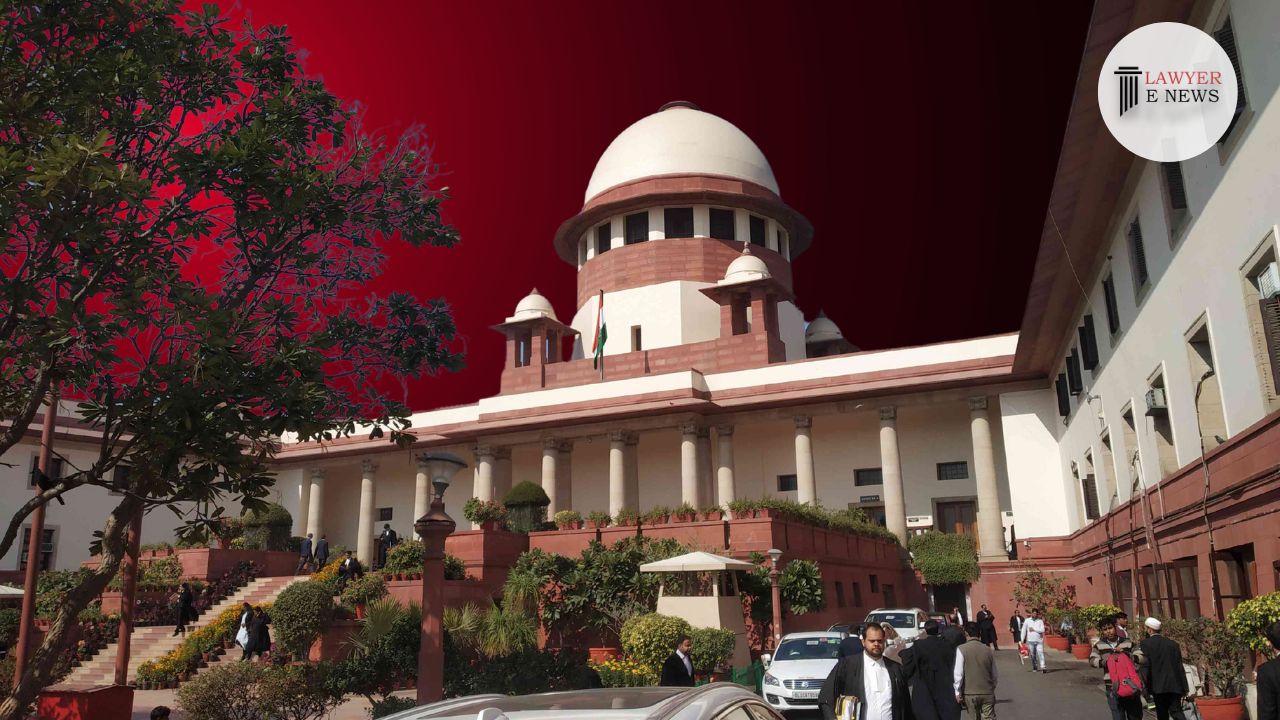
Constitutional Law - Scope and ambit of power and jurisdiction of the Supreme Court under Article 142(1) of the Constitution of India - Dissolution of marriage by mutual consent - Irretrievable breakdown of marriage - Writ jurisdiction under Article 32 of the Constitution of India
On 01 May 2023, Constitutional Bench of Supreme Court, in a recent judgement SHILPA SAILESH Versus VARUN SREENIVASAN, clarified that it has the discretion to dissolve a marriage by mutual consent without following the procedural requirements of Section 13-B of the Hindu Marriage Act. It emphasized the need to balance equities between conflicting claims and to consider factors such as the irretrievable breakdown of marriage. The court also acknowledged that it can grant divorce on the ground of irretrievable breakdown, even if the other spouse opposes the prayer, provided that the marriage has completely failed and there is no possibility of cohabitation.
Constitutional Bench of the Supreme Court of India clarified the scope and ambit of its power and jurisdiction under Article 142(1) of the Constitution of India regarding the dissolution of marriages.
The court addressed several key issues, including the power to depart from procedural requirements, the dissolution of marriage by mutual consent, the ground of irretrievable breakdown of marriage, and the writ jurisdiction under Article 32 of the Constitution.
Regarding the power and jurisdiction under Article 142(1), the court emphasized that it could deviate from procedural and substantive laws to ensure complete justice based on considerations of fundamental general and specific public policy. The court acts as a problem solver, balancing equities between conflicting claims. Additionally, the court has the power to dissolve marriages by passing a decree of divorce by mutual consent and quashing other connected proceedings, including criminal prosecutions. However, this power must be exercised with care, caution, and consideration of various factors, particularly the irretrievable breakdown of marriage.
The court clarified that it has the discretion to dissolve a marriage by mutual consent without following the procedural requirements of Section 13-B of the Hindu Marriage Act. It emphasized the need to balance equities between conflicting claims and to consider factors such as the irretrievable breakdown of marriage. The court also acknowledged that it can grant divorce on the ground of irretrievable breakdown, even if the other spouse opposes the prayer, provided that the marriage has completely failed and there is no possibility of cohabitation.
In relation to writ jurisdiction under Article 32 of the Constitution, the court held that filing a writ petition seeking divorce on the ground of irretrievable breakdown is not permissible. Parties should approach the superior tribunal/forum for redressal of grievances. Writ jurisdiction is meant for the enforcement of rights conferred by Part III of the Constitution and not for correcting judicial orders passed in pending proceedings.
SHILPA SAILESH VS VARUN SREENIVASAN