-
by sayum
26 July 2026 2:39 PM








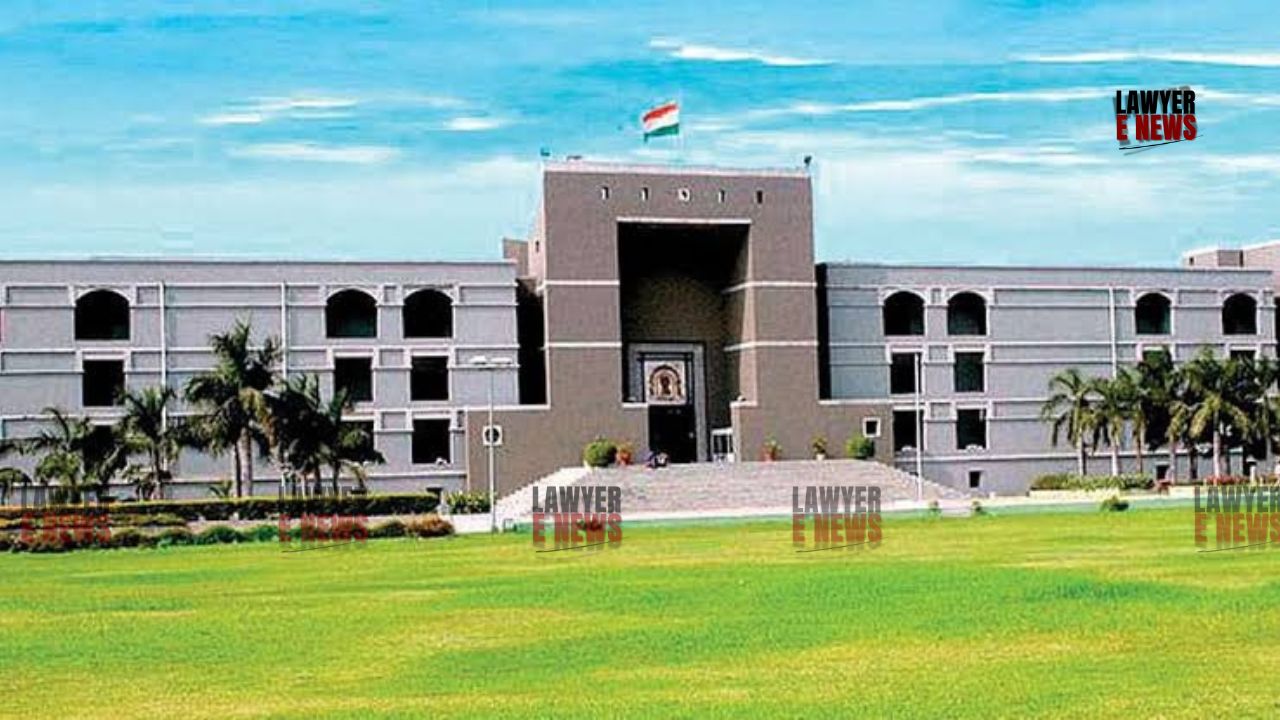
The Delhi High Court has upheld the decision of the Income Tax Appellate Tribunal (ITAT) in favor of M/S Jamnalal Bajaj Foundation, confirming the trust's entitlement to deductions under Section 11(1) of the Income Tax Act. The judgment, delivered by a bench comprising Justices Yashwant Varma and Purushaindra Kumar Kaurav, emphasized the legality of utilizing accumulated income for donations to other charitable trusts, even when deemed income provisions are triggered.
The Commissioner of Income Tax (Exemptions) challenged the ITAT's decision, which allowed M/S Jamnalal Bajaj Foundation a deduction under Section 11(1) on deemed income, despite the funds being transferred to other charitable trusts. The trust, registered under Section 12A and enjoying benefits under Section 80G, had filed a revised return in 2011 after transferring Rs. 20 crores accumulated under Section 11(2) for corpus donations.
The court highlighted that donations to other charitable trusts constitute a valid application of accumulated income for charitable purposes. "The handing over of accumulated income to another trust with similar objects is considered application of income for charitable purposes," the bench noted, referencing several precedents including CIT v. Natwarlal Chowdhury Charity Trust and CIT v. J.K. Charitable Trust.
Justice Yashwant Varma, writing the judgment, elaborated on the interplay between Sections 11(1) and 11(2), and the deemed income provisions under Section 11(3). The court noted that Section 11(2) allows charitable entities to accumulate up to 85% of their income, provided it is invested as per specified modes. Donations to other charitable entities, as long as they are in line with the original charitable purpose, do not violate the provisions of Section 11(3)(c) or (d).
The court reaffirmed that extending donations to other charitable institutions meets the test of application of income for charitable purposes, even if such donations temporarily attract deemed income provisions. "Section 11(3) would be attracted if the accumulated income is not utilized for the specified charitable purposes, but temporary application for donations does not constitute such a diversion," the court stated.
Citing the Supreme Court's decision in Additional Commissioner of Income Tax v. A.L.N. Rao Charitable Trust and judgments from the Madras High Court and Allahabad High Court, the bench elucidated that accumulated income used for charitable donations maintains its tax-exempt status. The court also referenced Explanation 2 to Section 11(1), introduced by the Finance Act, 2017, to illustrate that contributions forming part of the corpus of another trust are not treated as application of income.
Justice Yashwant Varma remarked, "Donations to other charitable trusts do not lose the protection of tax exemption merely because they temporarily constitute deemed income. The core objective remains the application of income for charitable purposes, which the law seeks to uphold."
The Delhi High Court's judgment reinforces the legal provisions allowing charitable trusts to accumulate and donate income without forfeiting tax exemptions. This decision is significant for charitable entities, affirming their ability to support other charities while maintaining compliance with tax regulations. The ruling provides clarity on the application of Sections 11 and 12, setting a precedent for future cases involving charitable donations and tax exemptions.
Date of Decision: May 31, 2024