-
by sayum
01 October 2026 8:21 AM







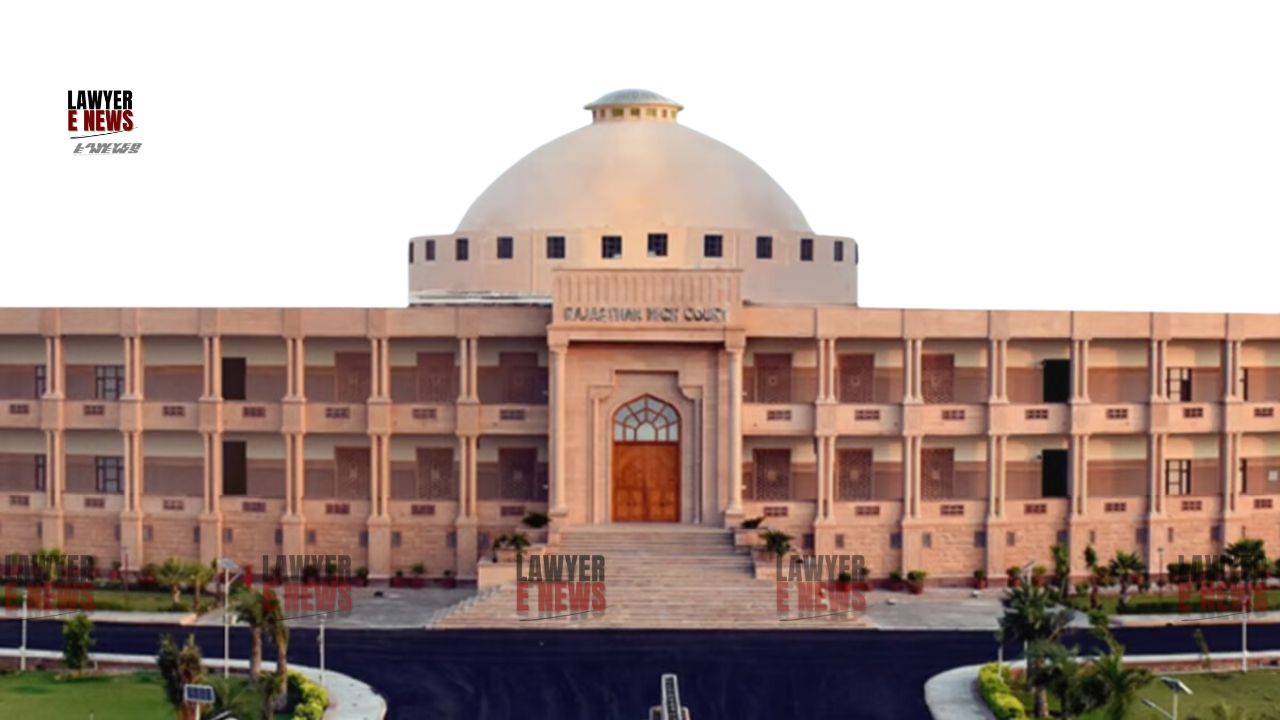
In a crucial ruling, the Rajasthan High Court, addressing multiple writ petitions regarding pension entitlements, ordered the concerned authorities to ensure the immediate disbursement of pensionary benefits to retired employees. The Court underscored that unnecessary administrative delays infringe upon the fundamental rights of retirees, thereby violating their constitutional entitlements. These petitions were filed by retired employees from various departments, such as education and animal husbandry, seeking timely pension benefits that were denied despite repeated requests.
The petitioners, former government employees across different departments including education and animal husbandry, had fulfilled their respective tenures but were subjected to undue delays in receiving their pension benefits. The petitioners filed writ petitions against the State of Rajasthan and respective departments, alleging that despite repeated requests and administrative appeals, they had not been provided with their due pension amounts or other retirement benefits. These cases, such as S.B. Civil Writ Petition No. 12657/2024, involved litigants like Umesh Chandra Pareek and others who sought judicial intervention against the State's failure to comply with their pension claims.
The court took serious note of the inefficiencies in the administrative mechanisms. It observed, "Retirees, having served the government faithfully, are entitled to receive their pension without any delay. Any hindrance in the timely release of pensionary benefits is not only unjust but also an infringement of their rights."
The court highlighted that the right to pension is integral to Article 21 of the Indian Constitution, which guarantees the right to life and dignity. The prolonged withholding of pension was described as tantamount to denying the petitioners their dignity in old age. "Such delays in disbursing pensions amount to a violation of the petitioners' fundamental rights under Article 21," the bench noted.
The High Court, expressing dissatisfaction with the repeated administrative delays, directed the respective departments to expedite the process. The court stated, "All pensionary arrears must be cleared within a period of three months from the date of this judgment, failing which the respondents shall be liable to face further legal consequences."
The court remarked, "Delay in the release of pensionary benefits is nothing short of a denial of justice. The retirees have a rightful claim to these benefits, and any delay in this regard is a violation of their constitutional rights."
The court reiterated the principle that pension is not a bounty but a right earned through years of service. It further clarified that the government is under an obligation to ensure the timely release of these benefits. "Pension is a deferred payment for the service rendered, and any unreasonable delay is an administrative failure that needs rectification," the court asserted. The judgment also referred to previous rulings, reinforcing that pension claims must be settled promptly to avoid undue hardship to retirees.
This judgment sends a clear message that pensionary benefits are a matter of right and must be disbursed without delay. The court’s strong stance on this issue is expected to bring relief to many retirees facing similar struggles across Rajasthan. The ruling may lead to a significant overhaul in how pension matters are handled, ensuring greater accountability and efficiency within the administrative framework.
Date of Decision: September 6, 2024
Umesh Chandra Pareek vs. State of Rajasthan