TIP Essential When Identity Based On Belated 'Alias' Claims; Conviction Can't Rest On Improved Witness Testimonies: Supreme Court Conviction Based On Flawed Identification Cannot Be Sustained In Law: Supreme Court Acquits Sri Lankan National In UAPA Case Penalty For Misdeclaration Of Power Capacity Is Strict Liability; No Need To Prove Intent Or 'Gaming': Supreme Court Authority To Appoint Includes Power To Dismiss; Visitor Can Terminate 'First Registrar' Under Transitional Provisions: Supreme Court State Cannot Use Delay Or Contractual Clauses To Deny Statutory Compensation For Land Acquisition: Supreme Court State As Model Employer Cannot Deny Regularization Benefits To Workers Due To Its Own Clerical Lapses: Supreme Court Section 106 Evidence Act | Husband’s Failure To Explain Wife’s Unnatural Death In Matrimonial Home Completes Chain Of Circumstances: Supreme Court Tender Condition For Out-Of-State Bidders To Submit EMD Via Demand Draft Not Mandatory If Clause Uses 'May': Supreme Court Affidavit Is Not 'Evidence' Under Section 3 Of Evidence Act Unless Court Orders Its Use Under Order XIX CPC: Supreme Court Exclusion Of Natural Heirs Not A 'Suspicious Circumstance' To Invalidate Will If Testator Provides Reason: Supreme Court 18-Year-Old Rendered 100% Disabled Entitled To Compensation For Loss Of Marriage Prospects And Dignity: Punjab & Haryana HC Right To Life Under Article 21 Prioritizes Preservation Of Mother's Life Over Reproductive Autonomy If Termination Poses Fatal Risk: J&K High Court Director’s Involvement In Company Affairs A Disputed Fact; High Court Cannot Conduct ‘Mini-Trial’ To Quash Section 138 NI Act Complaint: Punjab & Haryana HC Abuse Of Process: Bombay High Court Quashes FIRs Against Lawyer & Ex-Police Chief Sanjay Pandey; Says Complaints Motivated By Vengeance Magistrate Not Bound To Order FIR In Every Case Under Section 175(3) BNSS If Complainant Possesses All Evidence: Allahabad High Court High Court Can Initiate Suo Motu Inquiry Against Judicial Officers Based On Information; Sworn Affidavit Not Mandatory: Gujarat High Court Lack Of Videography, Independent Witnesses During Contraband Seizure Relevant Factors For Granting Bail Under NDPS Act: Delhi High Court

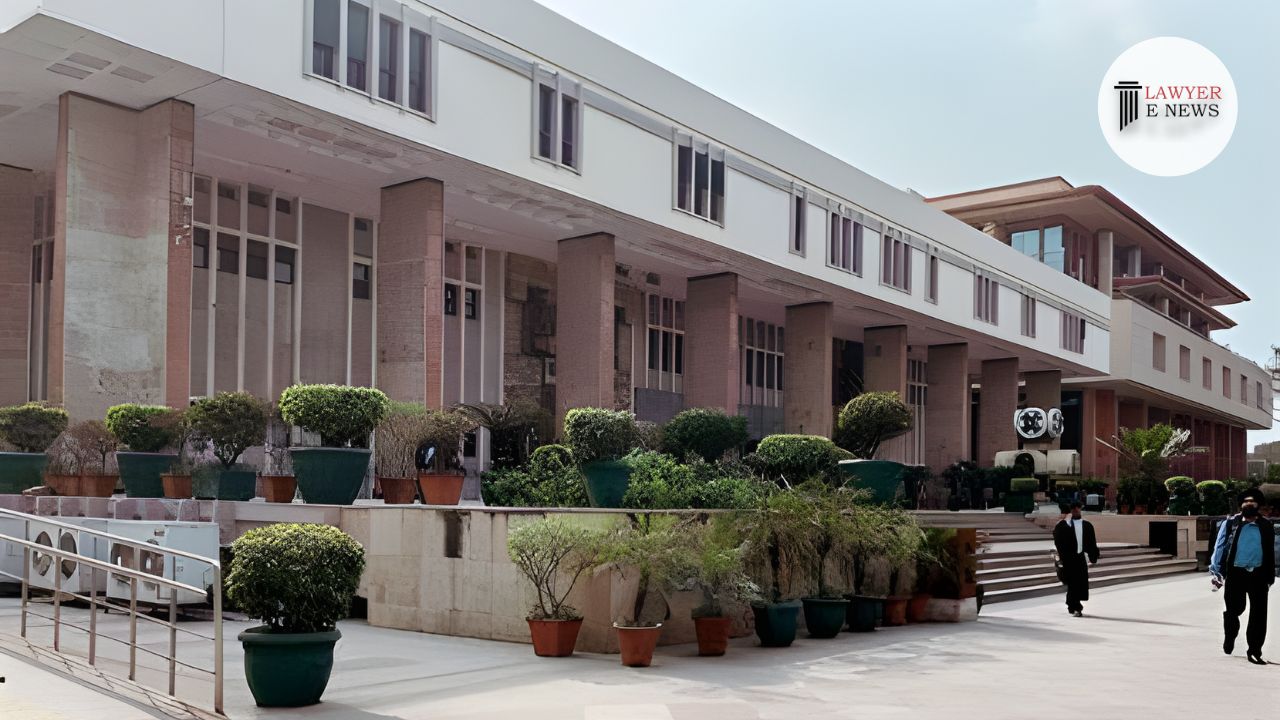
Cruelties Committed by Appellant Rendered Respondent's Stay at Parental Home a Compulsion: Delhi High Court Upholds Dismissal of Marriage Dissolution Petition

07 May 2024 8:19 AM

By: Admin


The Delhi High Court's recent judgment in the case of Suman Kumar Bhan vs. Durga Bhan nee Haifz dealt with an appeal against the dismissal of a petition for dissolution of marriage under Section 13(1)(ia) & (ib) of the Hindu Marriage Act, 1956. The court meticulously examined allegations of cruelty and desertion by the appellant, underlining the importance of substantiated evidence in such matrimonial disputes.

The appellant, Suman Kumar Bhan, appealed against the Family Court's decision, which dismissed his petition for dissolving the marriage with Durga Bhan. The primary issues revolved around allegations of non-disclosure of health issues, cruelty by the respondent, desertion, property disputes, and the long duration of separation since April 27, 2000.

Alleged Non-Disclosure and Health Issues: The court noted the appellant's claims of the respondent concealing her age and health condition, including a pre-marriage surgery. However, it found a lack of substantive evidence to support these claims, viewing them as cruelty towards the respondent.

Allegations of Cruelty: The appellant's accusations of mental and emotional cruelty, including dominance, refusal of sexual relations, and extra-marital affairs, were found unsubstantiated due to a lack of specific incidents or proof.

Desertion and Property Disputes: The court observed that the respondent's allegations of being forced out of the matrimonial home and disputes over property were compelling. The appellant failed to make efforts to bring the respondent back or seek restitution of conjugal rights, suggesting that the respondent's stay at her parent's house was due to the appellant's actions.

Duration of Separation: The significant separation period highlighted the irreparable breakdown of the marital bond, but it didn't justify dissolution of marriage on grounds of cruelty or desertion by the respondent.

Decision: The High Court dismissed the appeal, upholding the trial court's judgment. It concluded that the appellant's allegations were uncorroborated and amounted to cruelty towards the respondent, and the respondent's departure from the matrimonial home was due to the appellant's actions, not willful desertion.

Date of Decision: April 02, 2024.

Suman Kumar Bhan vs. Durga Bhan nee Haifz

 

Latest Legal News