-
by sayum
01 August 2026 2:00 PM







Petition for parole on daughter’s wedding dismissed due to prior parole jumping and misleading court through non-disclosure.
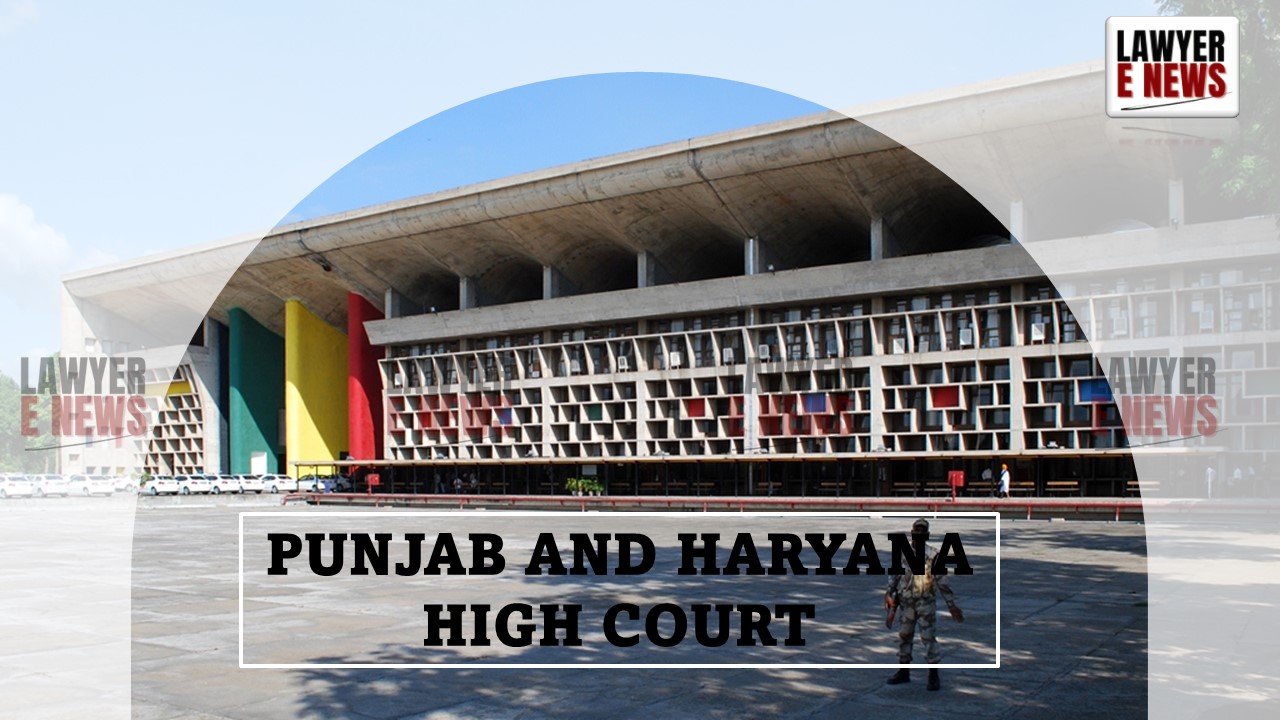
The High Court of Punjab and Haryana has dismissed a parole petition filed by Brij Lal, who sought temporary release for his daughter’s wedding. The judgment, delivered by Justice Kuldeep Tiwari, emphasized the petitioner’s attempt to mislead the court by concealing prior misconduct and altering material facts.
Brij Lal, currently incarcerated, filed a writ petition under Article 226/227 of the Constitution of India and Section 3(1)(d) of the Punjab Good Conduct Prisoners (Temporary Release) Act, 1962, requesting two weeks parole for his daughter’s marriage scheduled for May 24, 2024. Previously, a similar petition (CRWP-2293-2024) was withdrawn by his counsel on March 14, 2024. The State counsel presented a speaking order dated March 8, 2024, revealing that Brij Lal had previously jumped parole and was re-arrested on January 26, 2024, after absconding for 1043 days.
The court condemned the petitioner for not disclosing the speaking order in the fresh petition. “It seems that the speaking order has been deliberately concealed from this Court, and only by changing the date of marriage of the petitioner’s daughter, a fresh petition has been filed,” observed Justice Tiwari. The court was critical of the petitioner’s attempt to mislead by filing a new petition on the same cause of action, just with an altered date.
Justice Tiwari stressed the importance of transparency and full disclosure in judicial proceedings. “This Court is unable to comprehend how a fresh petition is maintainable merely on the change of the date of marriage, once the earlier petition for the same cause of action was dismissed as withdrawn,” he noted, highlighting the deprecable conduct of the petitioner.
The judgment extensively discussed the principles of judicial integrity and the importance of honesty in legal petitions. It underscored that concealment of material facts and misleading the court are serious offenses that undermine the judicial process. “The conduct of the petitioner is highly deprecable, and cannot be appreciated,” stated Justice Tiwari, reaffirming the need for full transparency in such cases.
Justice Tiwari remarked, “The attempt to conceal the speaking order and alter material facts to obtain a favorable order is a serious breach of legal and ethical conduct.” The court’s strong stance against such actions was evident throughout the judgment.
The dismissal of Brij Lal’s parole petition underscores the judiciary’s commitment to maintaining integrity and transparency in legal processes. The judgment serves as a stern warning against attempts to manipulate the judicial system through non-disclosure and deceit. While the court refrained from imposing exemplary costs due to the petitioner’s incarceration, the decision sends a clear message about the consequences of such conduct.
Date of Decision: May 08, 2024