-
by sayum
22 October 2026 4:10 PM








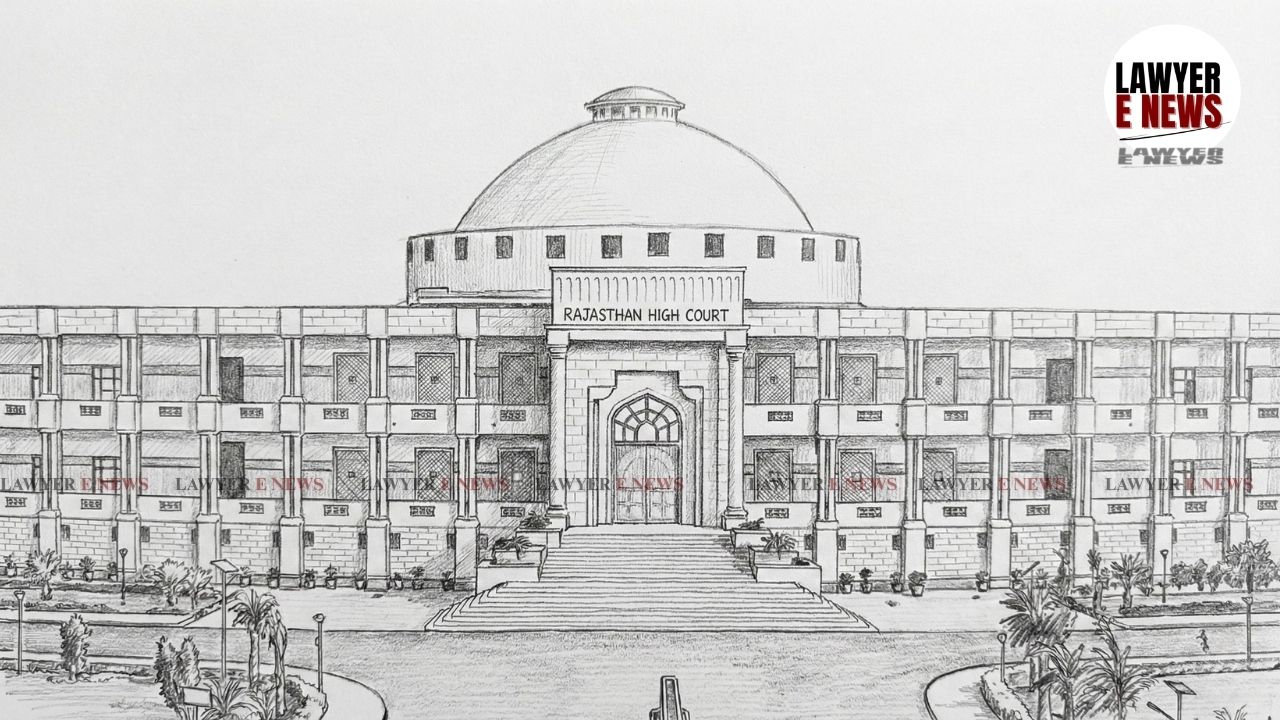
In a groundbreaking decision, the Rajasthan High Court, presided over by Justice Dinesh Mehta, has ruled that the practice of using chest measurements as a criterion for determining physical standards, particularly for female candidates, is “absolutely arbitrary, rather outrageous to say the least.” The court’s decision came in response to a civil writ petition filed by three female candidates who were rejected during the Physical Standard Test (PST) for the post of Forest Guard.
The court observed that the requirement of chest measurement, which was being used to assess the strength and fitness of female candidates, was scientifically unfounded and amounted to a violation of the dignity and privacy of women. “It is a clear dent on a lady’s dignity and right of privacy guaranteed under Articles 14 and 21 of the Constitution of India,” the court stated.
Justice Dinesh Mehta further noted that the size of a woman’s chest and its expansion are not necessarily indicative of physical fitness, and such a criterion impinges upon a woman’s autonomy and mental integrity. The court expressed its concern over the lack of sensitivity exhibited by the administrative authorities in formulating such criteria.
The court’s decision not only addressed the specific case at hand but also raised broader questions about the rationale behind such criteria in recruitment processes. The judgment recommended a revaluation of the chest measurement criterion and suggested that experts’ opinions be solicited to explore alternative means of determining the desired level of lung capacity without subjecting female candidates to unwarranted humiliation.
This landmark judgment not only highlights the importance of upholding the dignity and rights of female candidates in recruitment processes but also underscores the need for a more sensitive and scientific approach to determining physical standards for all candidates.
Date of Decision: 10/08/2023
Vandana Kanwar vs State Of Rajasthan