-
by sayum
12 August 2026 1:53 PM







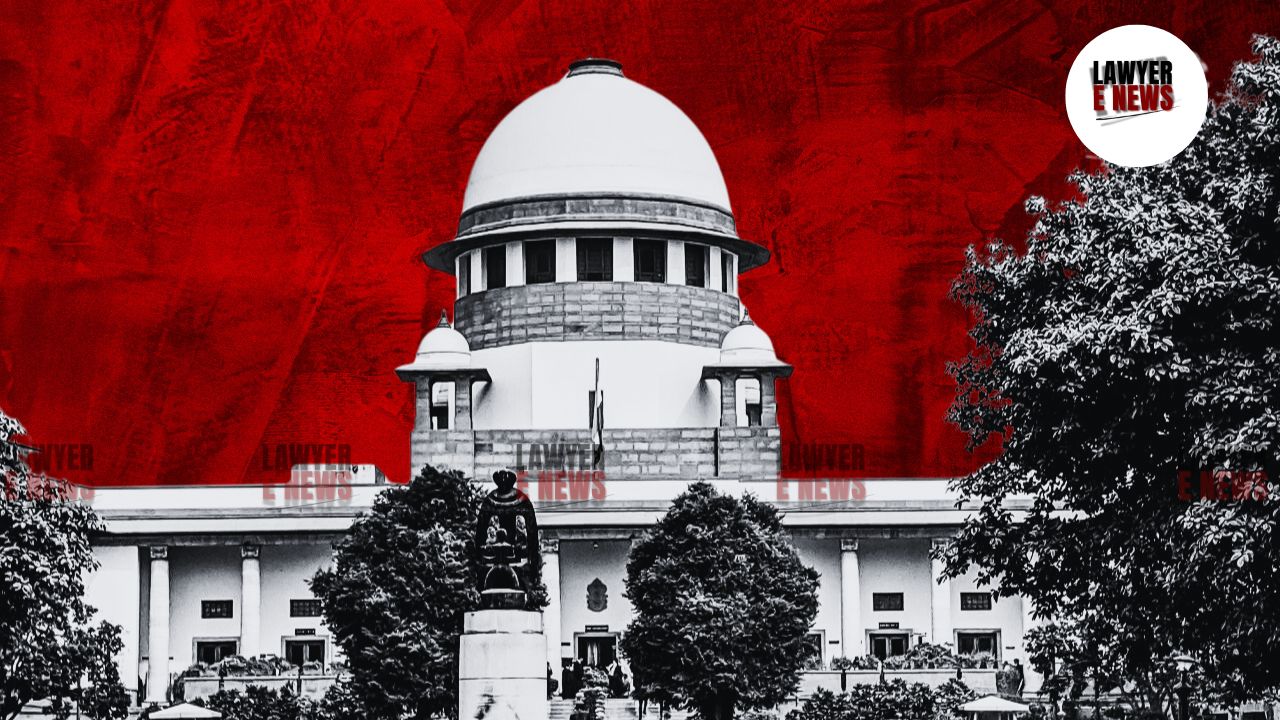
Restoring a Suit Without a Legal Challenge is Jurisdictional Overreach - Supreme Court of India in a significant ruling held that condoning a delay in filing an application to set aside an ex-parte decree does not automatically lead to the setting aside of the decree itself. While the Court upheld the Telangana High Court’s decision to condone the 939-day delay, it struck down the High Court’s sweeping order that had also restored the suit without due process.
"Facts and events leading to an ex-parte decree are distinct from those related to the delay in challenging it. One does not subsume the other. The High Court’s assumption that condonation of delay automatically leads to the setting aside of a decree is legally untenable," the Supreme Court observed, making it clear that courts cannot take procedural shortcuts that bypass fundamental judicial principles.
The case stemmed from a property dispute in which the plaintiffs, C. Prabhakar Rao and another, had sought the specific performance of a sale agreement entered into in 2015 with the defendants, Sama Mahipal Reddy and his daughter. The plaintiffs claimed to have paid ₹45 lakh towards the agreed sale consideration of ₹1.89 crore, but the defendants unilaterally cancelled the agreement in April 2016, prompting the plaintiffs to file a suit before the Trial Court (O.S. No. 150 of 2016).
The defendants initially entered an appearance in November 2016, but they failed to file a written statement and did not contest the case. As a result, they were set ex-parte on February 14, 2018, and the Trial Court passed an ex-parte decree on August 20, 2018, directing them to execute the sale deed within six months.
It was only in 2021, more than two years later, that the defendants filed two applications before the Trial Court—one seeking condonation of the 939-day delay (I.A. No. 493 of 2021) and another to set aside the ex-parte decree (I.A. No. 1163 of 2021). The Trial Court outrightly refused to condone the delay, holding that the defendants had been grossly negligent and had ample opportunities to contest the suit but failed to act.
"The petitioner was not prevented from coming to the court or checking the case status online. The Limitation Act exists to assist bona fide litigants, not those who sleep over their rights for years and later claim ignorance," the Trial Court remarked, dismissing the application. Consequently, since the delay was not condoned, the application to set aside the decree was also dismissed as a natural consequence.
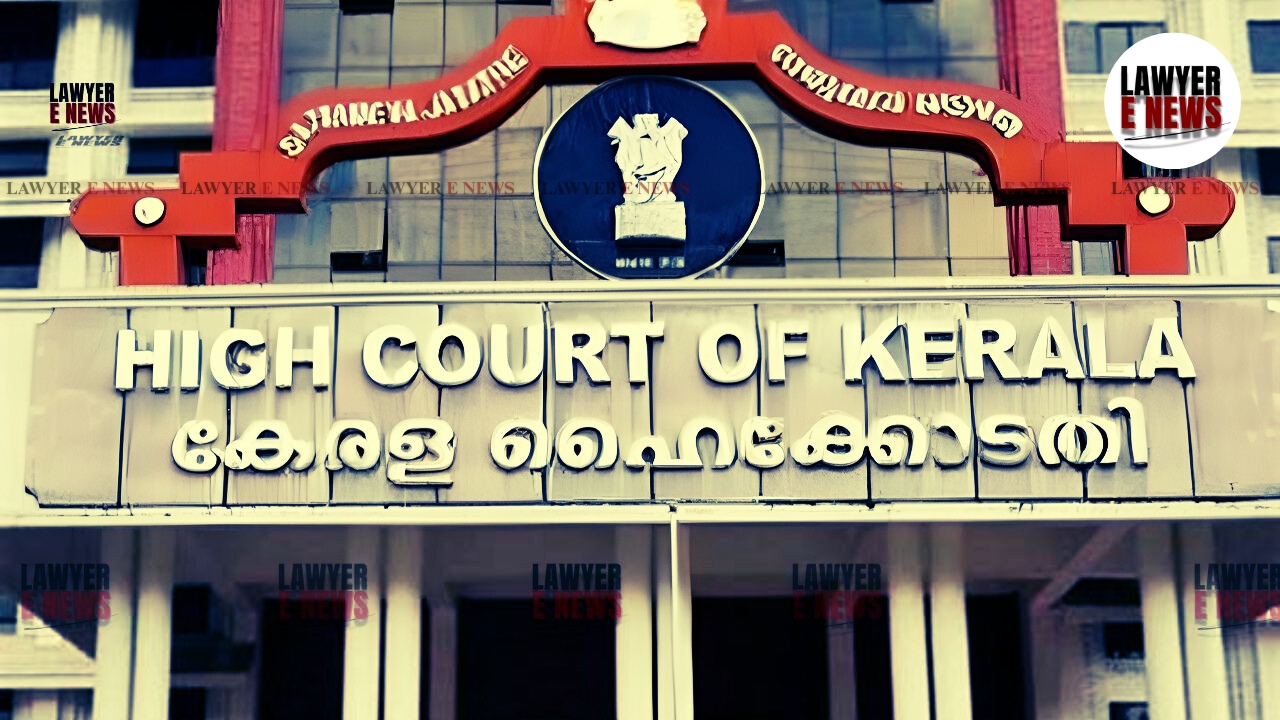
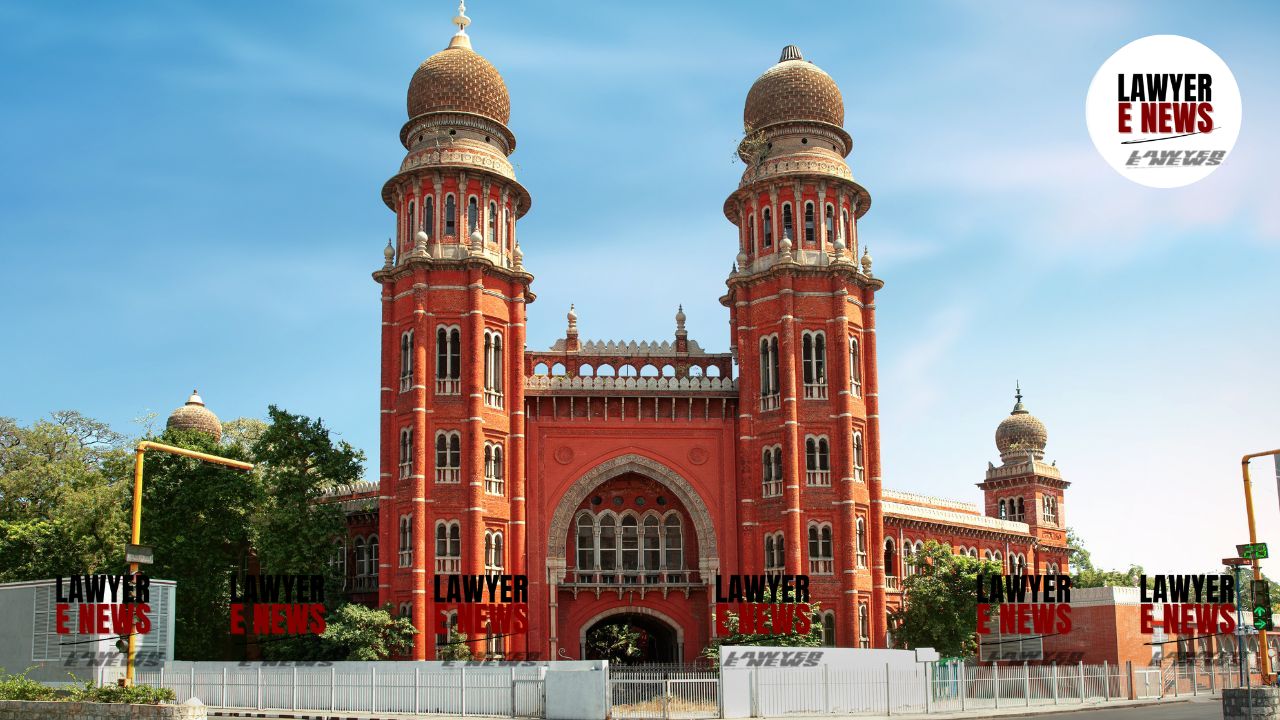
The defendants then approached the Telangana High Court but challenged only the rejection of their delay condonation plea (I.A. No. 493 of 2021). Crucially, they did not challenge the dismissal of their application to set aside the ex-parte decree (I.A. No. 1163 of 2021). However, in a sweeping move, the High Court not only condoned the delay but also went beyond its jurisdiction—setting aside the ex-parte decree and restoring the suit entirely.
"The petitioner should be given a reasonable opportunity to pursue the suit for specific performance, as he is the owner of the land," the High Court stated, justifying its decision to restore the suit even though no such relief had been sought before it.
The Supreme Court took a firm stance against this jurisdictional overreach, making it clear that a court cannot grant relief that was never sought before it.
"The High Court exercised power it did not have. When no revision was filed against the rejection of the application to set aside the decree, how could the High Court assume the authority to undo it? A court cannot grant what was never prayed for," the Supreme Court held, striking down the High Court’s direction to restore the suit.
The Supreme Court strongly reaffirmed that the process of condoning delay and the process of setting aside an ex-parte decree are independent legal proceedings that require separate adjudication.
"Condoning delay does not automatically revive the suit. The Trial Court still has to examine whether the ex-parte decree deserves to be set aside on its own merits. The High Court ignored this fundamental distinction, leading to an unsustainable order."
The Supreme Court, while allowing the condonation of delay, made it clear that the ex-parte decree remains intact unless the Trial Court, upon fresh adjudication, decides otherwise. The Court revived I.A. No. 1163 of 2021, directing the Trial Court to hear it independently and decide its fate within two months.
The defendants were also ordered to pay ₹50,000 in costs to the plaintiffs.
This ruling is a strong message that judicial discretion must always be exercised within legal boundaries. Courts cannot bypass due process under the guise of procedural convenience. The Supreme Court’s decision ensures that each stage of litigation is treated with the legal scrutiny it deserves, preventing lower courts from arbitrarily undoing judicial orders without proper adjudication.
"Justice is not served by shortcuts. Every legal process must follow its due course, and no court has the authority to assume jurisdiction where none exists," the Supreme Court concluded, sending a strong message that procedural integrity must be upheld at all costs.
Date of Decision: 04/03/2025