-
by sayum
24 November 2026 2:30 PM







"A plain reading of the contents of the complaint makes it clear that there is no reference as to the presence of public at the time of using abusive words by the appellants pertaining to the caste of the victim. Therefore, at this stage, I am of the considered opinion that there are no sufficient prima-facie materials to constitute the offence under the penal provision of SC/ST (PoA) Act, 1989."
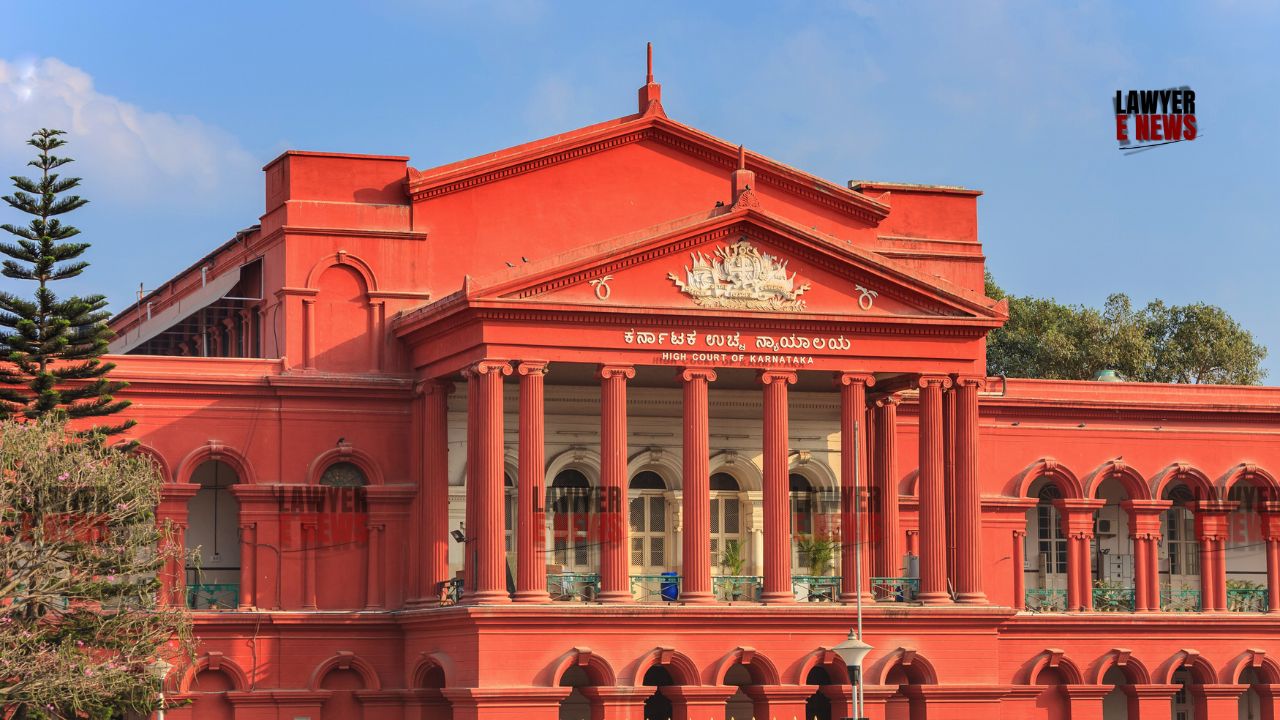
BENGALURU: Holding that the statutory bar against anticipatory bail under the Scheduled Castes and Scheduled Tribes (Prevention of Atrocities) Act, 1989 does not operate in the absence of prima facie material demonstrating that alleged casteist insults occurred within public view, the Karnataka High Court on November 16, 2026, granted anticipatory bail to the parents of a man accused of deceitful sexual relations under Section 69 of the Bharatiya Nyaya Sanhita, 2023.
The factual matrix arose out of a complaint lodged by a woman working in a private clinic who alleged that she entered into a relationship with Accused No. 1, who subsequently engaged in sexual intercourse with her under the assurance of marriage but later refused on caste-based grounds. In the concluding portion of the complaint, the complainant implicated the parents of Accused No. 1, alleging that they demeaned her caste, leading to the registration of Crime No. 226/2026 for offences punishable under Sections 3(5), 351(2), 352, and 69 of the Bharatiya Nyaya Sanhita (BNS), 2023, along with Sections 3(2)(v) and 3(1)(r)(s) of the SC/ST (PoA) Act. The Special Judge rejected the appellants' anticipatory bail application under Section 482 of the Bharatiya Nagarik Suraksha Sanhita (BNSS), 2023, prompting the present statutory appeal under Section 14A(2) of the SC/ST Act.
Whether the statutory embargo on pre-arrest bail under the SC/ST (PoA) Act operates against family members when the complaint fails to establish that the alleged caste-based humiliation occurred in any place within public view?
Whether omnibus accusations incorporated at the concluding stage of a complaint involving Section 69 BNS disclose sufficient prima facie materials to deny anticipatory bail under Section 482 of BNSS?
Absence of public view negates prima facie ingredients under SC/ST Act
Justice G Basavaraja examined the foundational contents of the complaint and observed that the narrative principally centered on the personal relationship between the victim and Accused No. 1. The bench noted that the parents were roped in merely at the tail end of the complaint without specific substantiation regarding public presence.
The Court emphasized that to attract the statutory rigours under Section 3(1)(r) and Section 3(1)(s) of the SC/ST (PoA) Act, the intentional insult, intimidation, or abuse must strictly take place within public view. The Court scrutinized the Kannada extract of the complaint to ascertain whether third parties or members of the public were present during the confrontation.
Upon evaluating the records, the bench observed that "a plain reading of the contents of the complaint makes it clear that there is no reference as to the presence of public at the time of using abusive words by the appellants pertaining to the caste of the victim."
Statutory bar under special legislation yields when prima facie case is absent
The High Court reaffirmed the established legal position that where the essential ingredients of an offence under the SC/ST (PoA) Act are missing on the face of the record, the judicial threshold shifts, and courts are not precluded from exercising powers to grant anticipatory bail under Section 482 BNSS.
The Court ruled that "there are no sufficient prima-facie materials to constitute the offence under the penal provision of SC/ST (PoA) Act, 1989." The bench found that aside from isolated allegations in the final paragraph, no material existed to implicate the parents in the primary transactions alleged against the principal accused.
Taking into account the nature and gravity of the accusations, the prior antecedents, age, and occupation of the appellants, the Court determined that the appellants had established a case for pre-arrest protection subject to standard conditions.
Allowing the appeal, the High Court set aside the order dated September 26, 2026, passed by the Special Judge, and directed that in the event of their arrest in Crime No. 226/2026, the appellants be enlarged on bail upon executing a personal bond of Rs. 1,00,000 each with one surety of like sum, subject to cooperation with the investigation.
Date of Decision: November 16, 2026