-
by sayum
26 August 2026 12:18 PM







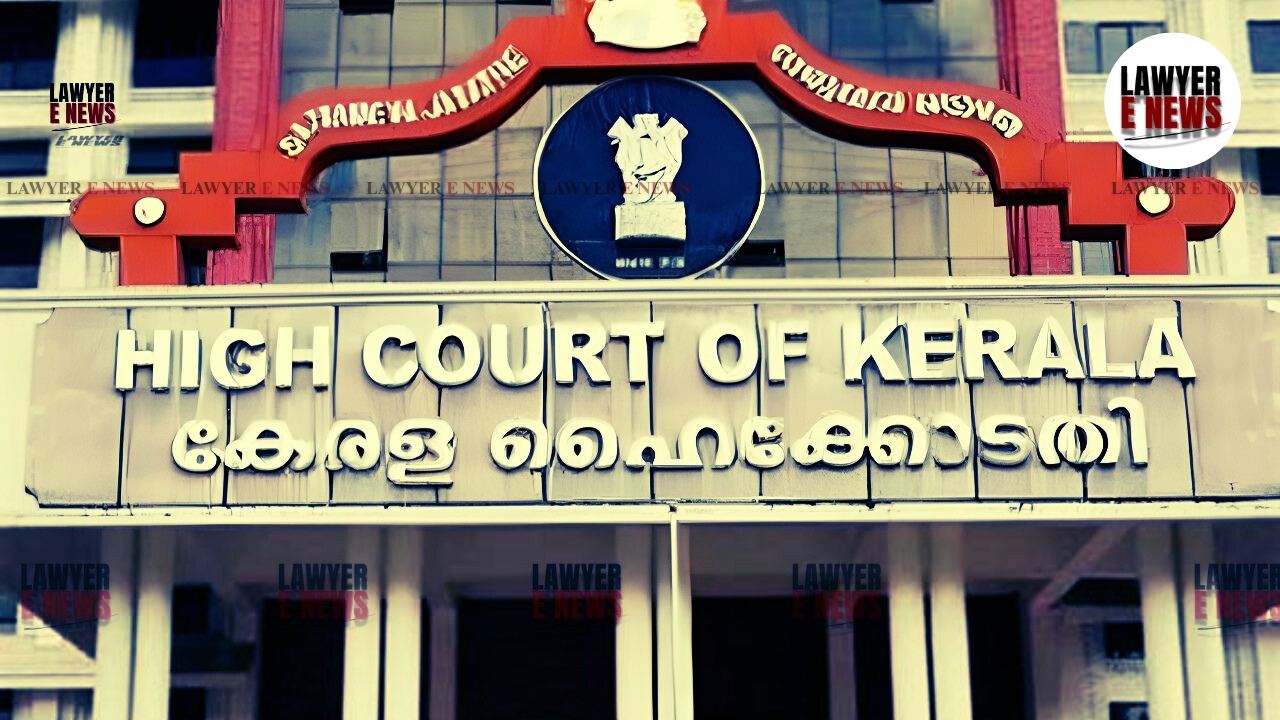
Once a Degree Is Obtained During a Valid Recognition Period, It Cannot Be Questioned Later – Kerala High Court has ruled that a postgraduate degree obtained through distance education from Annamalai University during a period of valid UGC recognition cannot be retrospectively invalidated. Setting aside the Kerala Public Service Commission’s (KPSC) decision to reject a candidate’s application for a government post, the Court held that students who enrolled before derecognition cannot be penalized for regulatory changes that occurred later.
Delivering the judgment in Amrutha C.P. v. Kerala Public Service Commission & Others, Justice A. Muhamed Mustaque and Justice P. Krishna Kumar observed, "When a university admits students based on prevailing recognition, those students cannot be later told that their degrees are invalid due to subsequent policy decisions. Regulatory conflicts should not jeopardize the future of students who pursued courses in good faith."
By restoring the petitioner’s eligibility, the High Court has reaffirmed that education policy changes cannot be applied retrospectively to deprive candidates of employment opportunities.
KPSC Rejects Candidate for a Distance Education Degree That Was Recognized at the Time of Enrollment
The petitioner, Amrutha C.P., had completed her MA in English from Annamalai University through its distance education program between 2015 and 2017. She applied for the post of Scheduled Caste Development Officer under a 2017 recruitment notification issued by the Kerala Public Service Commission (KPSC).
Despite initially qualifying for the shortlist based on her exam performance, KPSC later rejected her application, citing a 2015 UGC directive that withdrew recognition for Annamalai University’s distance education programs. The Kerala Administrative Tribunal upheld this rejection, leading her to approach the High Court.
The petitioner argued that her enrollment was lawful at the time and that she could not be penalized for a later UGC decision. She contended that the UGC’s 2015 derecognition order had been stayed by courts, allowing the university to admit students during that period.
"A Degree Earned During Valid Recognition Remains Valid"
The Court ruled that the UGC’s derecognition of Annamalai University’s distance education programs in 2015 could not affect students who had already enrolled in good faith before the regulatory decision took full effect. Justice Krishna Kumar, addressing the issue of retrospective invalidation, stated, "The recognition status at the time of admission determines the validity of a degree. Later changes in policy cannot undo a student’s right to employment."
The judgment referenced a 2023 Madras High Court ruling in University Grants Commission v. Annamalai University, which upheld that students admitted between 2015 and 2016 should not be affected by the derecognition, as their enrollment was legally protected by a court-granted stay.
The Court emphasized that education authorities and recruitment bodies must ensure fair treatment of candidates who pursued their studies under legally permissible circumstances.
Supreme Court Precedents: No Student Should Suffer Due to Regulatory Delays
The High Court relied on several Supreme Court judgments to reinforce its ruling, including:
• Prabel Keerthi Sayog v. UGC (2022), where the Supreme Court ruled that students who completed recognized courses cannot be denied their degrees due to subsequent changes in regulations.
• Orissa Lift Irrigation Corp. Ltd. v. Rabi Sankar Patro (2018), which held that educational institutions must ensure clarity about recognition status before admitting students, and those enrolled in good faith should not be punished.
• Applying these principles, the High Court ruled, "The petitioner’s MA degree must be considered valid for recruitment, as she pursued the course during a period when Annamalai University operated under a court-granted stay."
Petitioner Allowed to Participate in PSC Selection
Setting aside the KPSC’s rejection, the High Court directed that the petitioner be allowed to participate in the further selection process, provided it had not been finalized. The Court, however, clarified that this order would remain subject to the final outcome of the pending Supreme Court case regarding Annamalai University’s recognition.
Justice A. Muhamed Mustaque, concurring with the judgment, stated, "When regulatory conflicts arise, students cannot be made scapegoats for administrative lapses. Their career prospects must not suffer due to shifting institutional policies."
The Kerala High Court’s ruling in Amrutha C.P. v. Kerala Public Service Commission & Others establishes that degrees obtained from institutions during valid recognition periods remain valid, even if the institution is later derecognized. The Court has made it clear that students who pursued courses based on government and university approvals at the time of enrollment must be protected from arbitrary disqualification.
By upholding the legitimacy of degrees obtained during Annamalai University’s recognized period, the Kerala High Court has ensured that students are not unfairly deprived of their academic and employment rights due to regulatory disputes beyond their control.
Date of decision: 18 March 2025