Order Taking Cognizance Must Reflect Application Of Mind; Section 197 CrPC Sanction Mandatory For Prosecuting Public Servants: Karnataka High Court Plaint Cannot Be Rejected Partially Against Specific Defendants Or Properties; Limitation Is A Triable Issue: Telangana High Court Employee Having National Trade Certificate & Prior Experience To Be Treated As 'Highly Skilled' For Compensation: Orissa High Court Insurance Company Entitled To Subpoena Investigating Officer For Vehicle Records When Insured Is Untraceable: Madras High Court Seller's Fraudulent Conduct & Non-Disclosure Of Mortgage Justify Refund Of Advance Sale Consideration: Kerala High Court Complaint Under Section 138 NI Act Filed By Partner On Behalf Of Firm Maintainable Even Without Specific Authorization Letter: Gujarat High Court Extension Of Remand Beyond 180 Days Under NDPS Act Requires Public Prosecutor's Independent Report, Not Just IO's Request: Andhra Pradesh High Court Orissa Grama Panchayats Act | No Bar On Rescheduling No-Confidence Motion Meeting Before Its Commencement: High Court Non-Preparation Of ‘Nil’ Seizure List After Searching Raiding Officer Not Fatal To NDPS Prosecution: Calcutta High Court Registration Of Trademark Confers Exclusive Right To Sue For Infringement Irrespective Of Whether Mark Is In Use: Delhi High Court Presence Of Magistrate Not Mandatory For Recording Dying Declaration; Conviction Can Be Based On DD Recorded By Police: Bombay High Court Routine Bank Transfers Between Spouses For Daily Needs Are Gratuitous Payments, Not Recoverable As Entrusted Funds: Kerala High Court Clerical Lapses Under Work Pressure Amount To Dereliction Of Duty, Not Crime: Madras High Court Quashes Corruption Case Against Deputy BDO Burden Of Proving Sale Deed Is Bona Fide Lies On Beneficiary If Executant Is Illiterate Or Vulnerable: Andhra Pradesh High Court Employee Cannot Take Advantage Of Own Delay; Employer Not Required To Preserve Disciplinary Records For Eternity: Bombay High Court Deadline To File Evidence Under Rule 45 Trade Marks Rules Is Directory, Registrar Can Extend Time Under Section 131: Bombay High Court Exclusion Of Interest In Insurance Policy Is Conditional; Insurer Must Plead & Prove Employer's Failure To Comply With Act To Avoid Liability: Kerala High Court Practicing Lawyer Entitled To Interim Maintenance From Husband If Income Is Insufficient To Maintain Standard Of Living: Orissa High Court Section 138 NI Act Offences Can Be Compounded At Any Stage Even After Dismissal Of Revision Or Appeal: Madras High Court Unsuccessful Party Seeking Post-Award Interim Relief Under Section 9 Faces 'Higher Threshold', Must Show Rare & Compelling Circumstances: Bombay High Court

A humane approach is warranted in cases involving senior citizens: High Court Grants Relief in Bank Loan Recovery Case, Allows Installment Repayments

11 November 2024 3:54 PM

By: Deepak Kumar


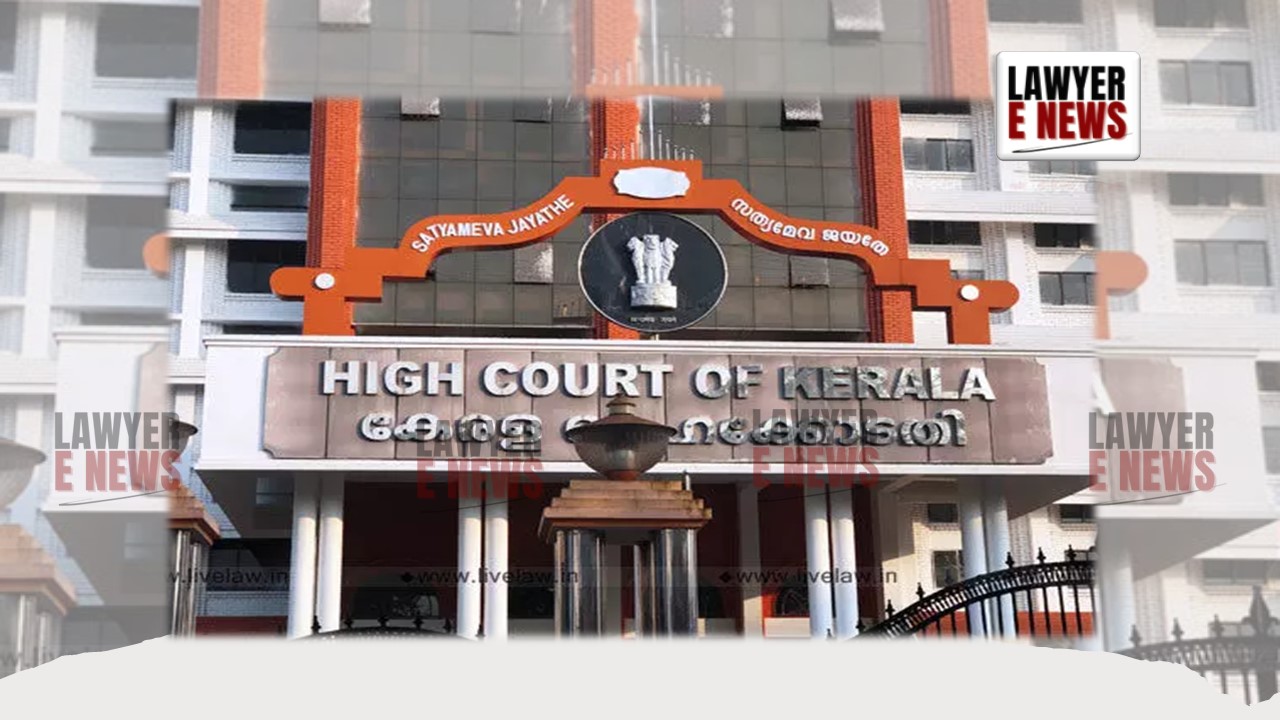
The High Court of Kerala at Ernakulam has granted significant relief to a 71-year-old petitioner by allowing her to repay an outstanding loan in monthly installments. The judgment, delivered by Justice Dr. Kauser Edappagath on May 14, 2024, underlines the court’s consideration of the petitioner’s age and financial circumstances while dealing with the recovery proceedings initiated by Kerala Gramin Bank under the SARFAESI Act, 2002.

The petitioner, Sainaba A P K, a senior citizen, had availed a credit facility from Kerala Gramin Bank, Cheemeni Branch. Due to her failure to repay the loan, the account was declared a Non-Performing Asset (NPA), leading the bank to initiate recovery proceedings. Challenging these proceedings, Sainaba approached the High Court seeking relief.

The counsel for the bank confirmed that an amount of Rs. 11,40,929 was outstanding as of the hearing date. The bank expressed willingness to allow the petitioner to repay the amount in reasonable monthly installments.

The court considered the petitioner’s age and financial condition, directing her to repay the entire amount along with interest in 12 equal monthly installments starting from June 1, 2024. Justice Edappagath emphasized a compassionate approach, stating, "A humane approach is warranted in cases involving senior citizens."

The court stipulated that the petitioner must pay subsequent installments by the 5th of every month. If the petitioner defaults on any installment, the facility of installment payments would be canceled, and the bank would be free to proceed with recovery.

The judgment underscores the balance between financial institutions' rights to recover dues and the need for judicial compassion in special cases. By allowing installment payments, the court acknowledged the petitioner’s inability to repay the lump sum while ensuring the bank’s interests were protected. This approach is consistent with judicial precedents emphasizing the need for flexible solutions in recovery cases involving vulnerable individuals.

Justice Kauser Edappagath remarked, "The petitioner, being a senior citizen, deserves a considerate approach in dealing with the recovery proceedings. Allowing her to repay in installments ensures justice is served while safeguarding the bank’s interests."

The High Court’s decision provides a significant precedent for similar cases, highlighting the judiciary's role in offering equitable solutions in financial recovery matters. This judgment is expected to influence future cases, encouraging a balanced approach that considers the debtor's circumstances without compromising the creditor's rights.

Date of Decision: May 14, 2024

 

Latest Legal News