
-
by sayum
25 August 2026 12:32 PM







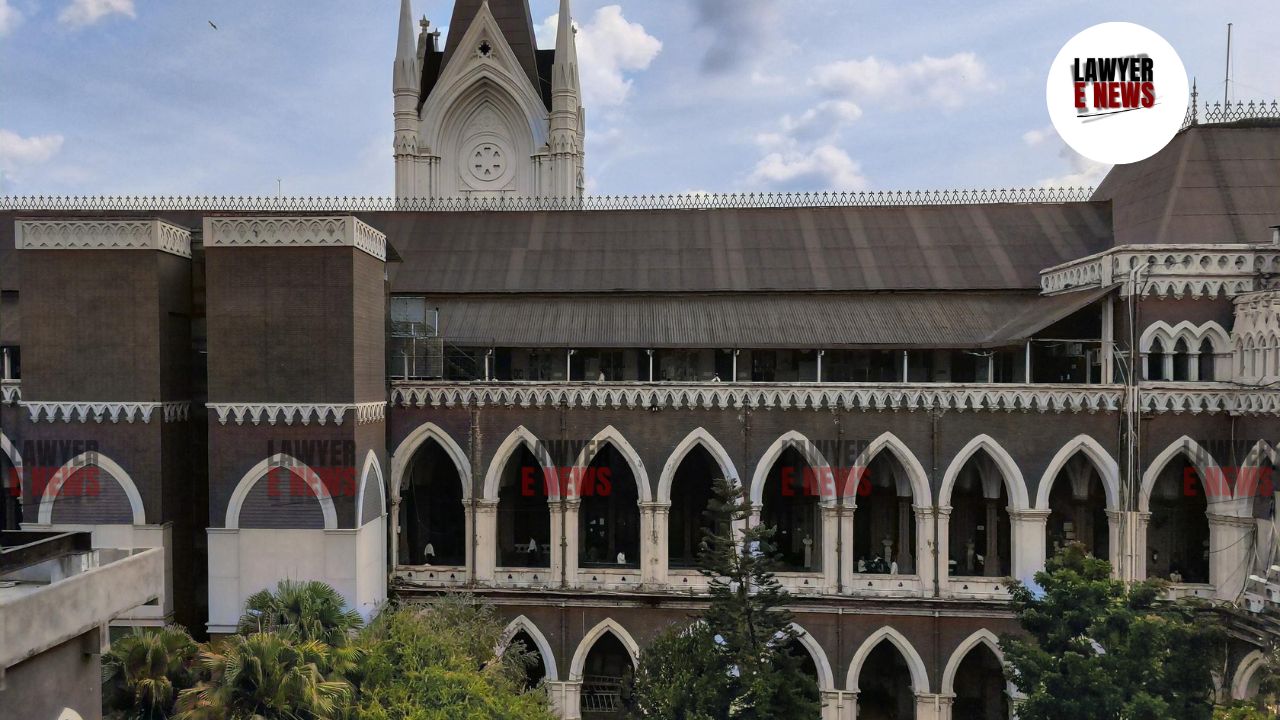
Family Court’s order to pay Rs. 30,000 per month modified to Rs. 15,000, balancing maintenance obligations and petitioner’s deteriorating health. In a significant ruling, the Calcutta High Court has revised a Family Court order requiring Ramkrishna Panda alias Ramkrishna Shastri to pay Rs. 30,000 per month as maintenance to his estranged wife. The judgment, delivered by Justice Shampa Dutt (Paul), emphasizes the necessity of considering existing maintenance orders and the petitioner’s age and health while assessing maintenance obligations.
The case, titled CRR 1643 of 2023, stems from a revision petition filed by Ramkrishna Panda against an order by the Additional Principal Judge, Family Court, Calcutta, which directed him to pay Rs. 30,000 per month as maintenance to his estranged wife from the date of filing the case. The parties were married in the 1970s and have been divorced since 1986. The petitioner, now over 70 years old and suffering from various ailments, is already paying Rs. 22,000 per month in maintenance through other proceedings: Rs. 7,000 to his estranged wife and Rs. 15,000 to their divorced daughter.
The High Court criticized the Family Court for not considering the existing maintenance obligations when ordering the additional Rs. 30,000 per month. Referring to the Supreme Court’s guidelines in Rajnesh vs. Neha & Anr. (2021), Justice Shampa Dutt (Paul) highlighted that all existing maintenance orders must be taken into account to ensure a fair evaluation of the petitioner’s financial responsibilities.
The court noted the petitioner’s advanced age and health issues, which limit his income capacity. “Admittedly, the petitioner is aged more than 70 years and suffering from various ailments. His being able-bodied at this age and his source of income from his profession is not what a young person would be able to do,” observed Justice Dutt (Paul).
Balancing the petitioner’s financial ability with the dependent’s needs, the court reduced the maintenance amount to Rs. 15,000 per month. The judgment underscored the importance of considering the overall financial burden on the petitioner, including existing maintenance payments. “Taking into consideration all the proceedings between the parties for maintenance, it is directed that the petitioner shall pay a sum of Rs. 15,000 per month as maintenance to the Opposite Party No.2/wife since the date of filing,” the court ruled.
Justice Dutt (Paul) remarked, “From the affidavit of assets also, the petitioner does not appear to have a substantial income at this age to pay a monthly maintenance of Rs.30,000/- in addition to the amount of Rs.22,000/- being already paid.”
The Calcutta High Court’s decision to modify the maintenance order highlights the judiciary’s commitment to equitable maintenance assessments, considering the financial and health status of the payer. This judgment not only provides relief to Ramkrishna Panda by reducing his financial burden but also sets a precedent for future cases involving maintenance disputes. The revised maintenance amount ensures a balanced approach, taking into account the petitioner’s existing obligations and limited earning capacity.
Date of Decision: 15th May 2024
Ramkrishna Panda alias Ramkrishna Shastri vs. The State of West Bengal & Anr.





